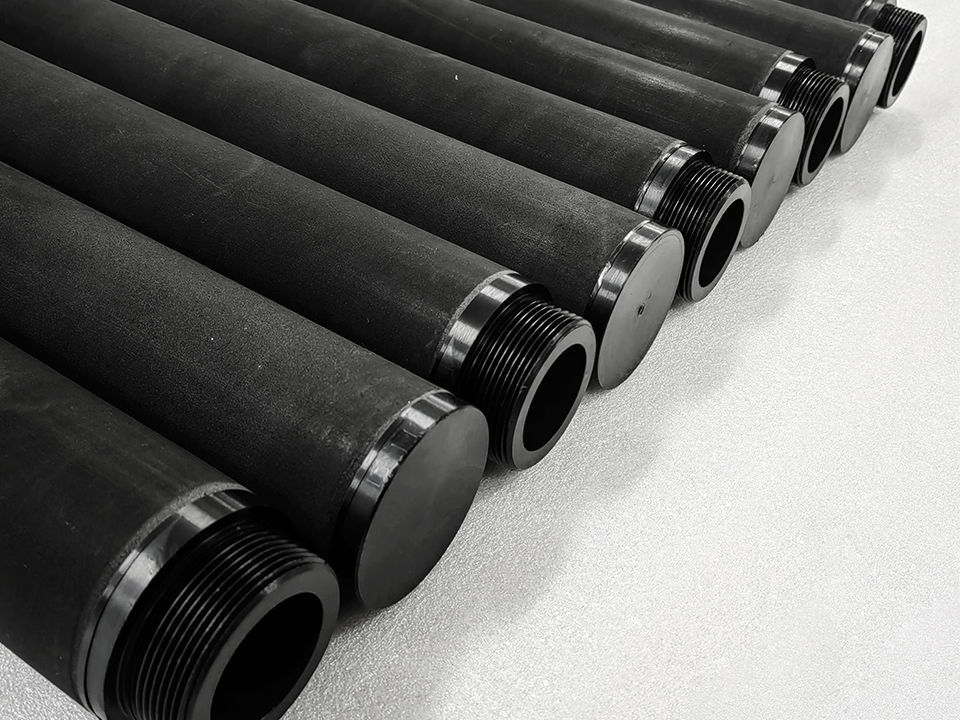
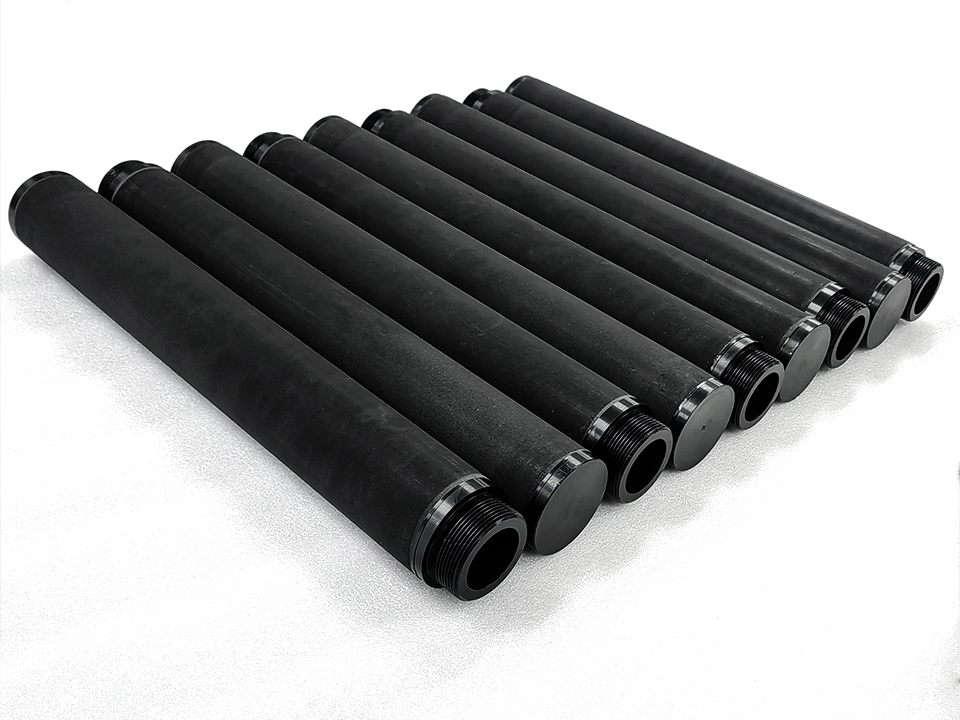
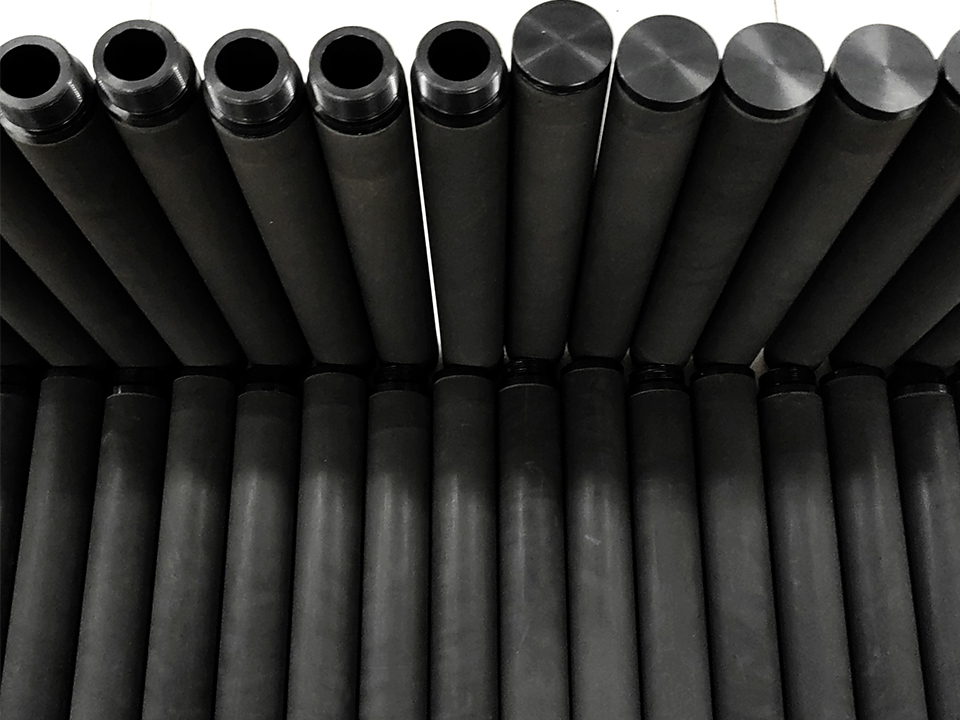
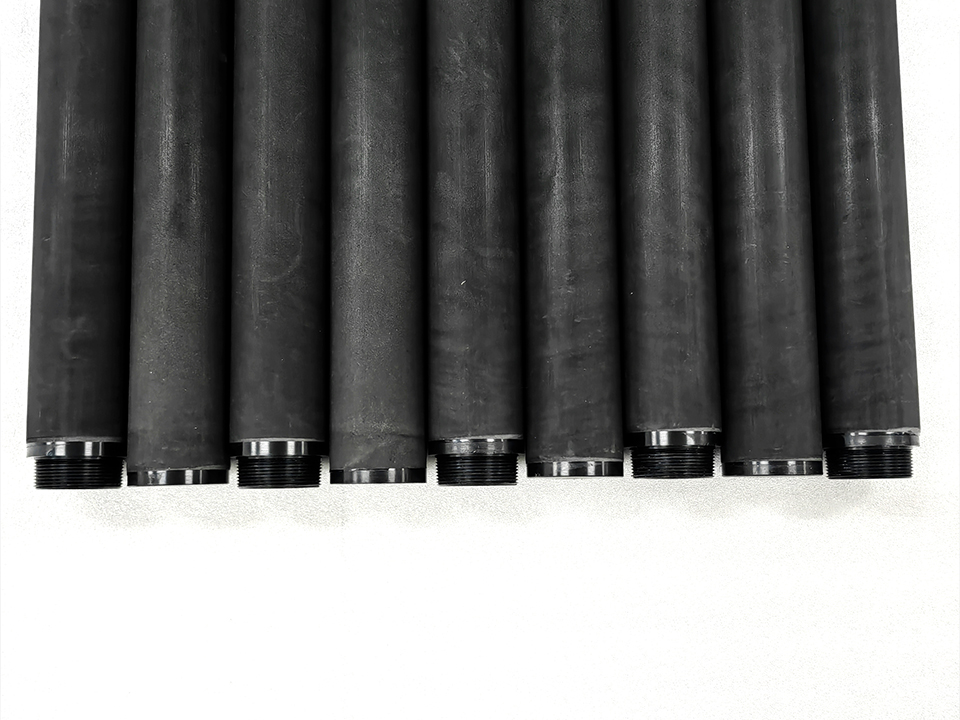
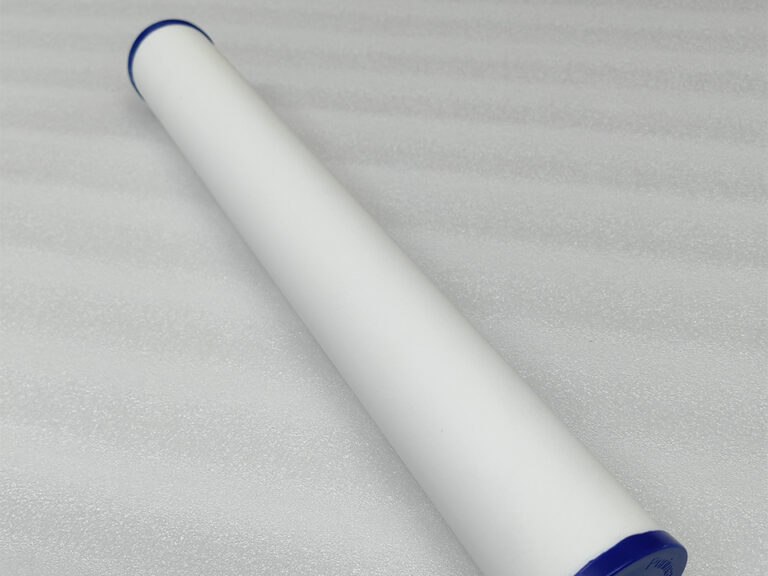
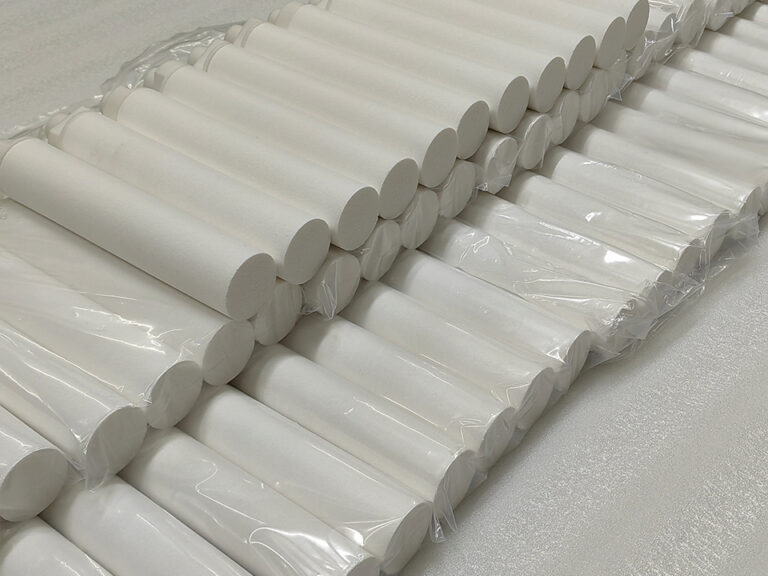
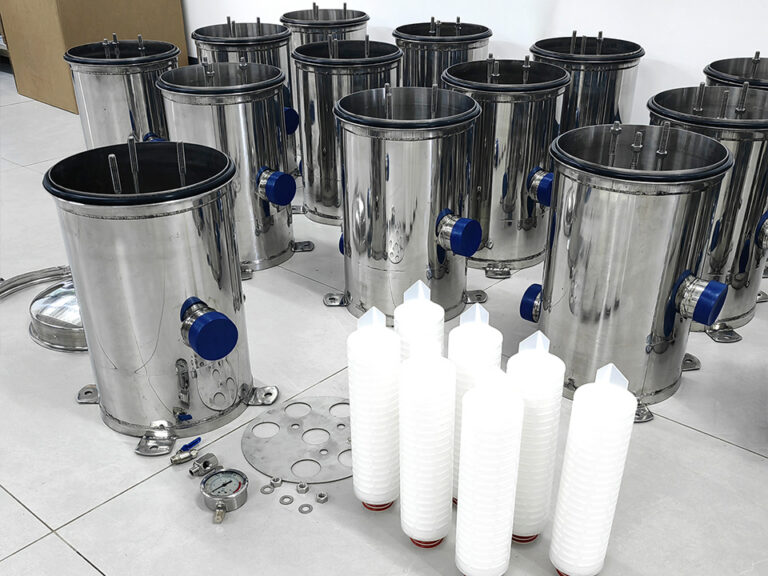
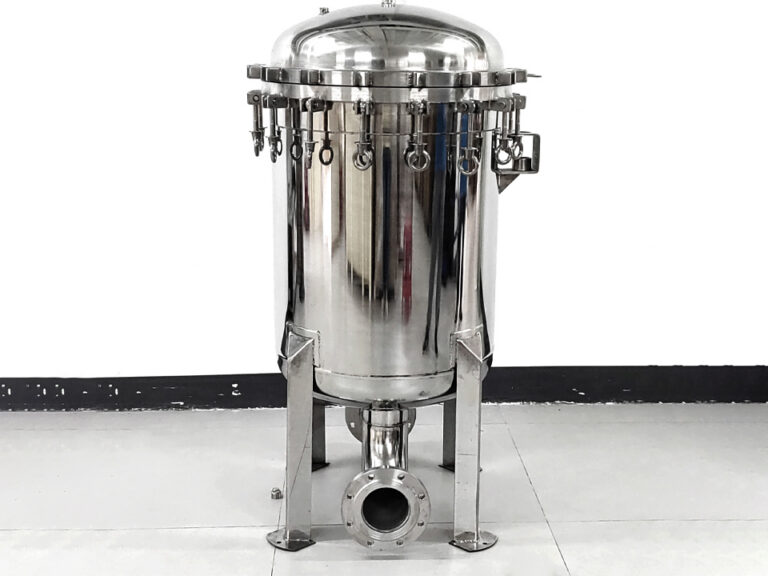
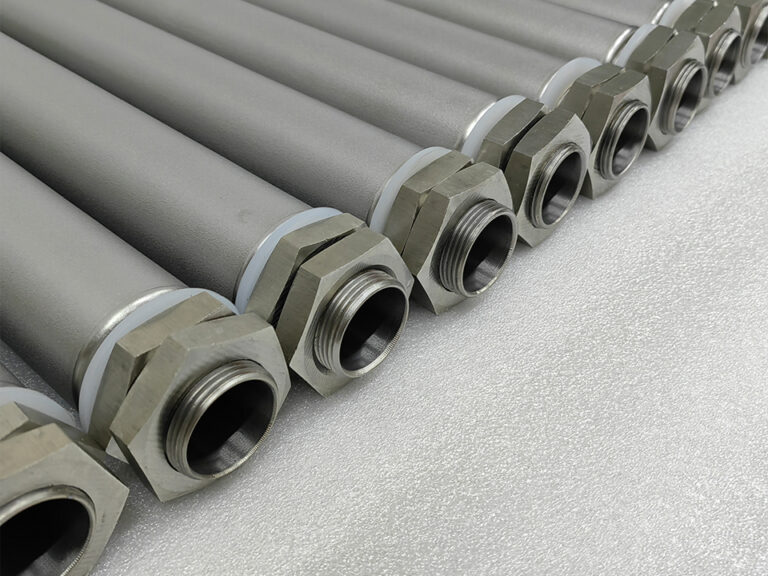
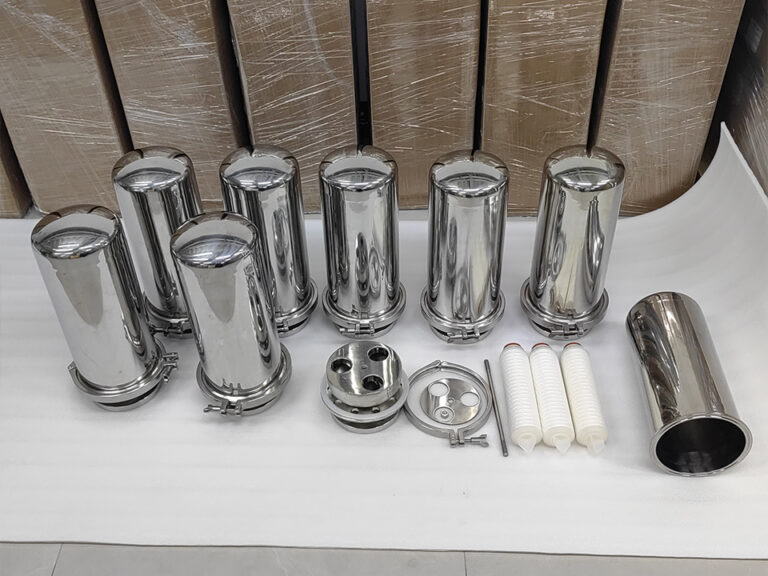
Guangzhou Lvyuan Water Purification Equipment Co., Ltd. ist ein 2009 gegründeter Hersteller von Industriefiltern, der Edelstahl-Filtergehäuse, Edelstahl-Sterilwassertanks, Filterelemente, Filterbeutel, Ultra-Polymer-Materialien und Sinterfilterprodukte entwickelt und herstellt. Käufer entscheiden sich für Lvyuan wegen des OEM/ODM-Supports, der ISO9001-Qualitätskontrolle und der Zertifizierungen in mehreren Ländern.
Guangzhou Lvyuan Water Purification Equipment Co, Ltd.
Leitfaden zur Auswahl von Melt-Blown-Filterpatronen für Großhandelsprogramme
Ich habe tatsächlich erlebt, wie Käufer wochenlang daran gearbeitet haben, jeden Cent bei einer Patrone einzusparen, nur um anschließend durch uneinheitliche Größen, unklare Angaben zur Filterfeinheit, zerdrückte Behälter, Undichtigkeiten an der Endkappe oder einen Austauschzyklus, den die Verbraucher stillschweigend als zu kostspielig erachten, weitaus mehr zu verlieren.
Was hat die “preiswerte” Patrone wirklich eingespart?
Für ein Großhandelsprogramm, Melt-Blown-Filterpatronen sind nicht nur Filterkomponenten. Es handelt sich um Produkte, die wiederkehrende Umsätze generieren und deren industrieller Wert auf einer vorhersehbaren Passgenauigkeit, nachgewiesener Leistungsfähigkeit, einer angemessenen Lieferreichweite und einer ausreichenden Anwendungstransparenz beruht, sodass Händler die richtige Artikelnummer anbieten können, ohne jedes Mal einen Techniker hinzuziehen zu müssen.
Diese Unterscheidung ist wichtig. Eine Kassette kann auf einem Lieferantenbild perfekt aussehen und dennoch für das Programm ungeeignet sein.
Meiner ehrlichen Meinung nach sind die meisten Filter-Arrays für den Großhandel bei Spezifikationen mit geringen Stückzahlen überdimensioniert und bei den wenigen Konfigurationen, die Kunden immer wieder benötigen, unterdimensioniert. Das erfolgreichste Programm ist so gut wie nie das mit der umfangreichsten Broschüre. Es ist dasjenige, das am wenigsten Verwirrung stiftet.
Die Auswahl im Großhandel ist größer als die Rangliste von Micron
Der erste Fehler besteht darin, zu fragen: “Sollen wir 1, 5, 10 oder 20 Mikrometer einrichten?”
Diese Frage kommt verfrüht.
Ein Großhandelskäufer muss zunächst den Schadstoff, die chemische Zusammensetzung der Flüssigkeit, die Betriebstemperatur, das Druckprofil, die Abmessungen, die Konfiguration der Endkappen, den erforderlichen Durchfluss, den angemessenen Druckverlust und das voraussichtliche Austauschintervall ermitteln. Erst dann wird die Mikron-Einstufung wirklich aussagekräftig.
Ein Anbieter könnte eine große Vielfalt an PP-Schmelzblas-Sedimentpatronen einsetzen, die Längen von 5 bis 60 Zoll, Nennporengrößen von 1 bis 100 μm, zahlreiche Oberflächenbeschichtungen sowie DOE- oder SOE-Konfigurationen abdecken. Diese Bandbreite wirkt beeindruckend. Doch jede zusätzliche Variante birgt ein potenzielles Risiko, sofern sie nicht ein wiederkehrendes Kundenproblem löst.
Ich würde die Entscheidung auf jeden Fall in drei Ebenen unterteilen:
Anwendungsbereich: Wird die Kartusche das Zielsediment unter realen Betriebsbedingungen entfernen?
Formschluss: Passen Größe, Abmessungen, Dichtung, Kern und Endkonstruktion in das montierte Gehäuse?
Eignung für das Programm: Kann der Händler das Produkt erfolgreich liefern, erläutern, kalkulieren und nachliefern?
Wenn eine Ebene fehlt, führt dies letztendlich zu einer Beschädigung des Programms.
Broschüre: „Zunächst der Schadstoff, nicht der Lieferant“
Sei über die Hintergründe informiert.
Das klingt fast schon peinlich einfach, doch viele Angebotsanfragen beginnen immer noch mit “Bitte erstellen Sie ein Angebot für Ihre ideale 5-Mikron-Patronenfilter” und enthalten keinerlei Angaben zum Zufluss, zur Durchflussmenge, zur Durchflussrate, zur Wassertemperatur oder zum zulässigen Differenzdruck.
Ein 5-Mikron-Filter gibt keinen Aufschluss darüber, ob die Kartusche feinen Schlamm, Korrosionsrückstände, Aktivkohle-Feinpartikel, Rohrrückstände, Harzfragmente, Farbreste oder gemischte Verunreinigungen sicher zurückhält. Diese Schadstoffe verhalten sich unterschiedlich. Einige lagern sich schnell an der Oberfläche ab. Andere dringen in eine strukturierte Tiefenschicht ein.
Bei Melt-Blown-Sedimentfiltern liegt der ideale Einsatzbereich in der Regel in der Vorfiltration: kommunales Wasser, industrielles Prozesswasser, Vorbehandlung für die Umkehrosmose, Vorbehandlung für die Entsalzung, Lebensmittel- und Getränkeverarbeitung sowie andere Anwendungen, bei denen Schwebstoffe vor einer wesentlich kostspieligeren nachgeschalteten Stufe minimiert werden müssen. Auf der Anbieterseite zu diesem Leitfaden werden unter den vorgesehenen Anwendungsbereichen Trinkwasser, RO/DI-Vorbehandlung, Brauchwasser, Lebensmittel und Getränke, Meerwasserentsalzung, Chemikalien, Lösungsmittel sowie Wein aufgeführt.
Aber ich würde all diese Anwendungen nicht ohne Zertifizierung auf einen Großhandelskarton drucken.
Kompatibilität steht an erster Stelle.
Polypropylen, chemisch hergestellt als (C ZWEI H SECHS)ₙ, ist vielseitig einsetzbar, doch “breite Kompatibilität” ist nicht gleichbedeutend mit universeller Kompatibilität. Der Flüssigkeitsfokus, die Belichtungszeit, die Temperatur, die verflüssigten Chemikalien, die Oxidationsmittel und das Dichtungsmaterial können das Ergebnis beeinflussen.
Bitten Sie Ihre Kunden um fünf Angaben:
Welche Partikel werden entfernt?
Wie hoch sind die typische und die maximale Temperatur?
Welcher Durchfluss durchläuft die einzelnen Kartuschen?
Welche Gehäuse- und Endkappenanschlüsse sind montiert?
Bei welcher Differenzspannung wird der Austausch ausgelöst?
Ohne diese Antworten wird die Produktauswahl letztendlich zu einer Frage des klugen Urteilsvermögens.
Wie sich Melt-Blown-Filterpatronen tatsächlich unterscheiden
Die meisten Käufer achten auf die Länge und die Mikronangabe. Die weniger auffälligen Unterschiede sind jedoch oft viel wichtiger.
Medienstärke und Nennstruktur
Melt-Blown-Filterpatronen werden in der Regel aus thermisch gebundenen Polypropylenfasern hergestellt. Durch den stufenweisen Aufbau mit abgestufter Porentiefe, bei dem die Porenräume zur Außenseite hin größer und zur Innenseite hin feiner werden, können Partikel über einen größeren Teil der Filterpatronentiefe hinweg aufgefangen werden, anstatt dass sich sofort ein Oberflächenkuchen bildet.
So lautet die Theorie.
Die schwierige Realität ist, dass zwei Filterpatronen, die als “5-Mikron-PP mit abgestufter Dichte” bezeichnet werden, möglicherweise nicht genau dieselbe Druckabfallkurve, Schmutzaufnahmekapazität, Faserstabilität oder Lebensdauer aufweisen. Solange der Anbieter keine reproduzierbare Prüfmethode vorlegt, sind die technischen Daten unvollständig.
Gewicht der Patrone
Das Gewicht ist zwar kein allgemeingültiger Qualitätsmaßstab, stellt jedoch eine wertvolle Überprüfung der Gleichmäßigkeit innerhalb einer zugelassenen Version dar.
Das genannte Thaw-Blown-Produkt hat ein typisches Gewicht von etwa 100 bis 120 g pro 10-Zoll-Kartusche, wobei Anpassungen problemlos möglich sind. Ein Händler sollte nicht davon ausgehen, dass ein deutlich höheres Gewicht automatisch besser ist; vielmehr sollte er einen zugelassenen Gewichtsbereich festlegen und Abweichungen von Charge zu Charge außerhalb dieses Bereichs überprüfen.
Bei einer unerwarteten Reduzierung um 15% sollte eine Frage gestellt werden.
Vielleicht hat sich der Durchmesser verändert. Möglicherweise hat sich die Faseranordnung verändert. Möglicherweise wurde weniger Polymer verwendet. Oder vielleicht wurde die ursprüngliche Spezifikation nie wirklich eingehalten.
Oberflächentherapie
In allen Produktreihen der PP-Meltblown-Patronen finden sich gerillte, ebene, bedruckte, mit Druckpunkten versehene und Orangenhaut-Beschichtungen. Die Oberflächengeometrie kann sich auf die verfügbare Oberfläche und die anfängliche Partikelaufnahme auswirken, sollte jedoch keinesfalls die Leistungsdaten verändern.
Eine dramatisch anmutende Rille ist kein Ergebnis aus einem Forschungslabor.
Kernkonstruktion
Kernlose Kartuschen können bei moderaten Druck- und Temperaturbedingungen kostengünstig sein. PP-Kerne sorgen für zusätzliche Stabilität. Edelstahlkerne können geeignet sein, wenn eine höhere mechanische Belastbarkeit erforderlich ist, vorausgesetzt, die Metallqualität und die Verarbeitungskompatibilität sind festgelegt.
Legen Sie den Kern nicht aus praktischen Gründen fest. Legen Sie ihn fest, weil dies aufgrund der unterschiedlichen Beanspruchung, des Temperaturniveaus, von Handhabungsproblemen oder aus Gründen der Prozesserkennung erforderlich ist.
Dichtungen und Verschlusskappen
Zu den angegebenen Anforderungen gehören DOE, SOE, 222, 226, Level, Fin sowie verschiedene andere Verbindungsalternativen, dazu Befestigungselemente aus Silikon, EPDM, NBR und Viton. Dabei handelt es sich nicht um rein optische Unterschiede. Eine falsche Dichtung kann zu Konflikten führen; ein falscher Adapter kann den Einbau verhindern oder einen Bypass ermöglichen.
Im Rahmen eines Großhandelsprogramms sollte für jede SKU mit versiegelten Enden eine normgerechte Zeichnung vorliegen.
Es gibt keine Ausnahmen.
So wählen Sie die richtige Mikronzahl für Melt-Blown-Filterpatronen aus
Wählen Sie die Kartusche mit der gröbsten Filterfeinheit, die den nachgeschalteten Prozess zuverlässig schützt und die geforderte hohe Qualität des Filtrats gewährleistet.
Diese Einstellung mag auf den ersten Blick unvorteilhaft erscheinen, da feinere Körnungen einfacher zu vermarkten sind. “Ein Mikrometer” klingt fortschrittlicher als “zwanzig Mikrometer”. Die Wahl einer unnötig feinen Kartusche kann jedoch zu einem höheren anfänglichen Druckverlust führen, die Lebensdauer verkürzen, die Austauschhäufigkeit erhöhen und den Endverbraucher abschrecken.
Feiner ist nicht automatisch viel besser.
Eine sinnvolle Lagerleiter für einfache Abfallentsorgungsprogramme beginnt oft mit:
1 μm: eine hervorragende Aufwertung oder den Schutz empfindlicher nachgelagerter Lebensräume
5 μm: umfassende Nutzung von Feinsediment und der RO-Vorbehandlungsstufe
10 μm: grundlegende Sedimentkontrolle mit flexiblerer Nutzungsdauer
20 μm: Sedimentfördersysteme und Sicherheit stromaufwärts
50 μm: grobe Feststoffe, Korrosionsbereich oder Schutz der ersten Stufe
Betrachten Sie diese Gruppen nicht als allgemeine Leistungsgarantien. Betrachten Sie sie als industrielle Ausgangspunkte, die einer Anwendungsvalidierung bedürfen.
Bei verschmutzten Zuflüssen ist eine gut durchdachte Filteranlage in der Regel einer einzelnen Hochleistungspatrone überlegen. Eine erste Filterstufe mit 20 μm, gefolgt von einer mit 5 μm, könnte einen besseren Schutz bieten, als die gesamte Durchflussmenge durch eine einzige 5-μm-Stufe zu leiten.
Und in manchen Fällen ist das Auftauen von geblasenen Medien nicht die ideale Lösung.
Wenn es auf eine starre, poröse Konstruktion, Rückspülung, ungewöhnliche Geometrie oder eine höhere Belastbarkeit ankommt, kann ein Käufer Einweg-PP-Patronen mit einer Filter aus gesintertem PE-Pulver, erhältlich in verschiedenen Mikron-Qualitäten. In der genannten Übersicht zu Sinterarrays sind verschiedene Polymeroptionen, Ausscheidungswerte von 0,3 bis 50 μm, eine maximale Betriebstemperatur von 82 °C und eine maximale Belastung von 6 bar aufgeführt; dabei handelt es sich jedoch um vom Lieferanten angegebene Werte, die noch einer anwendungsbezogenen Überprüfung bedürfen.
Erstellen Sie die Großhandels-SKU-Matrix, bevor Sie Preise anfragen
Die Bewertung folgt später.
Ich würde die vorläufige SKU-Matrix anhand von vier Variablen erstellen: Mikron-Wert, kleine Länge, Außenmaß und Endkonfiguration. Alles andere sollte über die technischen Spezifikationen geregelt werden und nicht in einer Produktbeschreibung stehen.
Eine konzentrierte Startanordnung könnte wie folgt aussehen:
Programmstufe
Grundlegende Anforderungen
Mögliche Anwendungsbereiche
Geschäftslogik
Mengenzeile
10-Zoll- und 20-Zoll-DOE; 5, 10, 20 μm
Entsorgung von Hausmüll, Gewerbeabfällen und Abfällen aus dem Kleingewerbe
Breite Kompatibilität mit verschiedenen Gehäusen und planbare Nachbestellungen
Industrielinie
20 Zoll und 40 Zoll DOE oder SOE; 1, 5, 10, 20 μm
RO-Vorbehandlung, Prozesswasser und Systeme mit höherem Durchsatz
Weniger Artikel, größere Bestellmengen und verstärkter technologischer Verkauf
Jumbo-Linie
Kartuschen mit großem Durchmesser (10 Zoll und 20 Zoll)
Hohe Schmutzbelastung, bei der Partien mit typischer Größe zu schnell
Langfristiges Lösungspotenzial und klarer Upgrade-Pfad
Technisch ausgearbeitete Linie
222/226-Adapter, mit Rippen oder flachen Enden, optional mit Stützkern
Geprüfte Immobilien und kontrollierte Industriesysteme
Höhere Marge, allerdings nur, wenn Zeichnungen und Kompatibilität gewährleistet sind
Alternative-Medien-Linie
Gefaltetes PP, PP mit hohem Durchfluss, PES, PTFE oder gesintertes Polymer
Anwendungen, die über die üblichen Möglichkeiten des Schmelzblasverfahrens hinausgehen
Verhindert, dass Vertriebsgruppen in jedem Prozess zwingend ein bestimmtes Medienrecht vorschreiben
An dieser Stelle vernachlässigen viele Vertriebsmitarbeiter die richtige Vorgehensweise. Sie nehmen eine 3-μm-Artikelnummer in das Angebot auf, weil ein potenzieller Kunde danach gefragt hat, eine 75-μm-Artikelnummer, weil der Händler diese führt, und sechs ungewöhnliche Längen, weil die Mindestbestellmenge gerade günstig erschien.
Bald liegt das Bargeld in Kartons, die niemand mehr nachbestellt.
Ich würde lieber zwölf gut dokumentierte Artikel auf den Markt bringen als sechzig, die praktisch alle gleich sind.
Ein ehrlicher Vergleich zwischen Melt-Blown-, Plissier-, High-Flow- und Membranfilterpatronen
Melt-Blown-Filterpatronen sind die richtige Wahl, wenn der Käufer eine kostengünstige Tiefenfilterung und die Aufnahme von Einweg-Schmutzpartikeln benötigt. Sie sind jedoch nicht für jede Flüssigkeit die beste Lösung.
Ein herkömmlicher Ersatz-PP-Plissee-Wasserfilterpatrone Verwendet plissierte Filtermedien, um innerhalb eines herkömmlichen Patronengehäuses mehr Reinigungsfläche zu schaffen. Die angegebenen Partikelgrößenbereiche reichen von 0,1 bis 60 μm, es stehen verschiedene Adapterausführungen zur Auswahl, und die Filterfläche für ein 10-Zoll-Bauteil beträgt laut Angabe 0,4 bis 0,7 m.
Bei einem deutlich höheren Systemdurchsatz ändern sich die wirtschaftlichen Rahmenbedingungen erneut. A 5- oder 10-Mikron-Sedimentfilterpatrone mit hohem Durchfluss und Faltenfilter Es verfügt über einen Außendurchmesser von 152 mm sowie Längen von 20 Zoll, 40 Zoll und 60 Zoll und eine vom Hersteller angegebene Wasserdurchflussrate von bis zu 110 m³/h pro Kartusche. Diese Angaben sollten unter Berücksichtigung der Flüssigkeitsviskosität, der Mikron-Filterfeinheit, der zulässigen Druckdifferenz und der Gehäusebauart überprüft werden, anstatt sie direkt in eine Händlergarantie zu übernehmen.
Ein separates 40-Zoll-Industrieflüssigkeitsfilterpatrone mit hohem Durchfluss Das bedeutet, dass bis zu 1.300 l/min bewältigt und die Aufbereitungsleistung zahlreicher herkömmlicher 40-Zoll-Elemente ersetzt werden kann. Auch hier handelt es sich um eine vom Hersteller angegebene Leistungsangabe und nicht um ein Blankoscheck für jeden einzelnen Prozess.
Für die Endfiltration oder die Filtration mikrobiologisch empfindlicher Stoffe ist eine Melt-Blown-Patrone in der Regel nicht geeignet. A 0,2-μm-PES-Membran-Faltenfilterpatrone ist auf anspruchsvollere und besonders strenge Filteranforderungen ausgelegt, wobei Polyethersulfon-Filtermedien speziell für anspruchsvolle Anwendungen in der Pharma-, Lebensmittel- und Chemieindustrie eingesetzt werden.
Die Lehre für die Industrie ist einfach: Man sollte nicht so tun, als seien alle zylindrischen Rohre, die wie Polypropylen aussehen, gleichwertige Alternativen.
Kartuschentyp
Filtervorrichtung
Grundausdauer
Größte Schwachstelle
Beste Großhandelsrolle
Schmelzgeblasenes PP
Tiefenfilterung
Geringere Anschaffungskosten und hohe Sedimentaufnahmekapazität
Die Leistung kann variieren, wenn die technischen Daten und die Überprüfung unklar sind
Kernsortiment mit ansprechendem Geschmack
Gefaltetes PP
Faltenfilter mit großer Filterfläche
Geringerer vorläufiger Druckverlust und vielfältige Anordnungsmöglichkeiten
Kann sich auf schwerem Sediment schnell an der Oberfläche ansammeln
Zeile aktualisieren und verfeinern
PP-Faltenfilter mit hohem Durchfluss
Großformatige Plisseefilterung
Reduziert den Kartonverbrauch und die räumlichen Anforderungen
Forderungen nach kompatiblen proprietären oder speziell entwickelten Gehäusen
Vertrieb im Industriebereich
Gesintertes Polymer
Starre, durchlässige Filterung
Mechanische Sicherheit und spezielle Formen
Höherer Preis und unterschiedliche Wirtschaftlichkeit bei Reinigung oder Austausch
Speziell entwickelte Nischenproduktreihe
PES-Membranschicht
Feinfilterung mit Membranschicht
Gute Filterleistung und hydrophile Eigenschaften
Höhere Dosierung und bei normalem Sediment nicht erforderlich
Professionelles Sortiment für kritische Prozesse
PTFE-Membran
Hydrophobe Membranfiltration
Geeignet für Gase, Entlüftungsleitungen und anspruchsvolle Einsatzbereiche
Geringe wirtschaftliche Eignung für die regelmäßige Beseitigung von Abfällen
Sortiment für technische Fachleute
Testen Sie Melt-Blown-Filterpatronen aus dem Großhandel wie ein Auditor
Lassen Sie sich nicht von einem Beispielbild täuschen.
Beginnen Sie mit der Maßprüfung. Messen Sie die Gesamtlänge, die Außenabmessungen, die Innenabmessungen, die Geometrie des Adapters, die Abmessungen der Dichtung und die Konzentrizität der Endkappe. Prüfen Sie anschließend mehrere Kartuschen aus derselben Charge und vergleichen Sie die Streuung.
Ein Beispiel sagt nicht viel aus.
Ein sinnvolles Verfahren zur Überprüfung der Berechtigungsnachweise sollte Folgendes umfassen:
Eingehende Maßprüfungen
Wählen Sie Dichtungen, die zum Gehäuse passen, und nicht nur nach den Vorgaben des Herstellers. Eine Kartusche, die auch nur geringfügig zu lang ist, kann das Schließen verhindern. Eine zu kurze Kartusche dichtet möglicherweise nicht richtig ab. Ein übergroßer Außendurchmesser kann beim Einbau zu Schwierigkeiten führen.
Prüfung des Druckabfalls bei der Reinigung
Erfassen Sie die anfängliche Differenzspannung bei regulierten Durchflussraten unter Verwendung der tatsächlichen Prüfflüssigkeit. Der ermittelte Wert dient als Referenzwert für den Vergleich von Produktionschargen und Lieferantenwechseln.
Kontrast der Sedimentfracht
Verwenden Sie einen reproduzierbaren Schadstoff und einen reproduzierbaren Endpunkt. Das Ziel besteht nicht darin, einen ansprechenden Laborwert zu ermitteln, sondern darin, Kandidat A unter genau denselben Bedingungen mit Prospekt B zu vergleichen.
Kundenreferenz zur Markteinführung von Extraktstoffen und Fasern
Wenn es um die Reinheit des Produkts geht, sollten Sie Prüfdaten zu extrahierbaren Stoffen, Medienabgabe, Klebstoffen, Tensiden und der Materialzusammensetzung anfordern. Meltblown-PP wird in der Regel thermisch verbunden; der Kunde muss jedoch den vollständigen Aufbau überprüfen.
Zusammenbruch und Temperaturkontrollen
Die angebotenen technischen Daten zu den Thaw-Blown-Komponenten geben eine maximale Betriebstemperatur von 80 °C sowie Differenzdruckgrenzwerte an, die sich mit der Temperatur ändern, einschließlich einer geringeren zulässigen Belastung bei steigender Temperatur. Außerdem wird eine empfohlene Austauschdifferenzbelastung von 2,1 bar angegeben. Diese Werte sind Teil der Qualifizierungsdiskussion, sollten jedoch keinen Einfluss auf die Prüfung des tatsächlichen Systems haben.
Rückverfolgbarkeit von Chargen
Jeder Karton sollte einer Produktionscharge, einem Tagescode, einem Materialprotokoll, einem Prüfbericht und einem Aufbewahrungsproben zugeordnet sein.
Das ist eine wenig glamouröse Arbeit.
Genauso verhindert ein Händler, dass er eine Anpassung seitens des Lieferanten erst dann bemerkt, wenn Verbraucher eine deutlich kürzere Lebensdauer melden.
Sprechen Sie über die Gesamtkosten des Programms, nicht über die Kosten pro Kartusche
Der Gerätepreis wird angezeigt. Ist kein Preis vorhanden, wird er ausgeblendet.
Der tatsächliche Großhandelspreis umfasst die Patrone, die Innenverpackung, die Behälterfestigkeit, Etiketten, Druckplatten, die Bewertung, abgelehnte Systeme, Produktwürfel, Zollkategorien, Lagerfläche, schwer verkäufliche Waren, Ersatzansprüche und den Zeitaufwand für den technischen Support.
Anbieter A bietet $0.18 deutlich günstiger pro 10-Zoll-Kartusche an. Das klingt verlockend.
Allerdings verpackt Anbieter A weniger Systeme pro Exportkarton, verwendet einen größeren Karton, hat höhere Gebühren für das Volumengewicht und verlangt bei Eigenmarken eine größere Mindestabnahmemenge. Händler B könnte unter Umständen deutlich kostengünstiger sein, bevor auch nur ein einziger Filter den Kunden erreicht.
Diese zweite Formel verändert die Diskussion. Eine beliebte 5-μm-DOE-Kartusche mit moderater Marge kann mehr wert sein als eine spezialisierte Kartusche mit hoher Marge, die zweimal im Jahr angeboten wird.
Wholesale ist ein Tarifanbieter.
Häufige Fehler, die zu Nachbestellungen führen
Die Angabe niedriger Punktzahlen als Garantie für eine präzise Ausscheidung
Ohne einen festgelegten Prüfansatz und einen Wirkungsgrad in Prozent reicht die Angabe der Mikronzahl bei weitem nicht aus. Lassen Sie sich von Werbetexten nicht eine vollständige Entfernung versprechen, wenn in den offiziellen Spezifikationen lediglich von “klein” die Rede ist.”
Überblick über die Immobilien-Benutzeroberfläche
“Zehn Zoll” sagt nichts über die Passgenauigkeit aus. Es geht um die tatsächliche Länge, die Dichtungskompression, den Unterschied zwischen DOE und SOE, 222 gegenüber 226, die Positionierung der Lamellen und die Widerstandsfähigkeit des Gehäuses.
Stille Materialersetzungen zulassen
Die Beschaffungsspezifikation muss Änderungen an Harz, Additiven, Kern, Endkappe, thermischem Verbindungsverfahren, Abmessungen, Produktverpackung und Produktionsstandort ohne ausdrückliche Genehmigung untersagen.
Ausrüstung für jeden angebotenen Mikron-Wert
Eine Auswahl kann hervorragend aussehen, während sie gleichzeitig den Lagerumschlag beeinträchtigt. Halten Sie die wiederkehrende Nachfrage auf Lager. Bieten Sie ungewöhnliche Konfigurationen als Sonderaufträge an.
Der Versanddienstleister übernimmt als Vertreter die Gewährleistung
Auf einer Produktseite können Angaben zu Durchfluss, Druckbegrenzung, Temperatur, Zertifizierung oder Lebensdauer zu finden sein. Bevor Sie diese Angaben übernehmen, sollten Sie sich über das Zertifikat, den Geltungsbereich der Zertifizierung, die Prüfbedingungen, die ausstellende Stelle, das Datum und die Modellbezeichnung informieren.
Werbe- und Marketingtexte gelten nicht als Beweismittel.
Auswahl einer Kartusche ohne Austauschvorschrift
Verbraucher benötigen einen Auslösepunkt für den Betrieb: Differenzdruck, Zeit, Durchsatz, ein Ergebnis von höchster Qualität oder eine validierte Mischung. “Bei Verschmutzung wechseln” ist keine technische Anweisung.
Häufig gestellte Fragen
Was sind Thaw-Blown-Filterpatronen?
Thaw-Blown-Filterpatronen sind Einweg-Tiefenfilterkomponenten, die durch die Formung thermoplastischer Mikrofasern – häufig aus Polypropylen – zu einer porösen zylindrischen Struktur hergestellt werden, die Partikel in ihrer Dicke zurückhält. Sie werden üblicherweise zur Sedimententfernung und als kostengünstige Vorbehandlung vor Membranen, Harzen, Pumpen, Düsen und verschiedenen anderen empfindlichen Prozessgeräten eingesetzt.
Ihr kommerzieller Reiz beruht auf ihrer einfachen Konstruktion, ihrer breiten Verfügbarkeit, den verschiedenen Mikrometer-Werten und ihrer Kompatibilität mit gängigen Kartuschengehäusen. Die Leistung variiert jedoch je nach Dicke, Abmessungen, Gewicht, Faserverbindung, Kernausführung und Untersuchungsmethode.
Wie wähle ich Thaw-Blown-Filterpatronen für den Großhandel aus?
Bei der Auswahl von Meltblown-Filterpatronen für den Großhandel geht es darum, die nachgewiesene Filterleistung und die mechanischen Abmessungen auf wiederholbare Kundenanwendungen abzustimmen und anschließend das Lagerprogramm auf Konfigurationen mit nachweisbarem Absatzvolumen zu beschränken. Einkäufer müssen die Art der Schadstoffe, die Mikron-Feinheit, den Durchfluss, die Belastung, das Temperaturniveau, die Kartuschenlänge, den Durchmesser, den Anschluss, die Dichtungen, die Produktverpackung, die Rückverfolgbarkeit und die Gesamtkosten prüfen.
Beginnen Sie mit den umsatzstärksten Immobilienlayouts und einer schmalen Mikron-Skala. Nehmen Sie professionelle SKUs nur dann auf, wenn die Kundennachfrage, die Mindestbestellmenge, die Marge und der Lagerumschlag dies rechtfertigen.
Welche Mikron-Einstufung eignet sich am besten für eine PP-Thaw-Blown-Filterpatrone?
Die optimale Mikron-Einstufung einer PP-Meltblown-Filterpatrone ist die gröbste Qualität, mit der sich die erforderliche hohe Wasserqualität am Ausgang konstant gewährleisten lässt, ohne dass es zu einem extremen Druckverlust oder einem vorzeitigen Austausch kommt. Typische Großhandelsgrößen sind 1, 5, 10, 20 und 50 μm, doch die richtige Wahl hängt von der Größe der Verunreinigungen und den Prozesszielen ab.
Bei groben Verunreinigungen kann die vorgestellte Filterung über eine einzige große Komponente hinausgehen. Eine 20-μm-Filterpatrone, gefolgt von einer 5-μm-Filterpatrone, kann die Partikel aufteilen und so eine bessere Filterleistung gewährleisten.
Sind geformte Filterpatronen deutlich besser als plissierte Filterpatronen?
Melt-Blown-Patronen sind Tiefenfilter, die auf eine kostengünstige Sedimentaufnahme ausgelegt sind, während bei plissierten Patronen das Filtermedium in Falten angeordnet ist, um eine höhere Oberflächenfilterleistung zu erzielen und häufig einen geringeren anfänglichen Druckabfall zu bewirken. Keine der beiden Varianten ist grundsätzlich besser; Melt-Blown-Filtermedien eignen sich in der Regel für stark verschmutzte Vorbehandlungsströme, während plissierte Filtermedien eher für sauberere Flüssigkeiten, höhere Durchflussraten oder längere Betriebszeiten geeignet sind.
Vergleichen Sie beide bei exakt gleicher Durchflussmenge, Schadstoffbelastung, Temperatur, Gehäuseausführung und Endpunkt für den Austausch. Die Kosten pro Kartusche allein sind als Vergleichskriterium unzureichend, da die Lebensdauer und der Arbeitsaufwand den scheinbaren Vorteil zunichte machen können.
Was sollte eine Anforderung an Filterpatronen im Großhandel beinhalten?
Eine Spezifikation für Filterpatronen im Großhandel ist ein normiertes Dokument, in dem alle Einzelheiten festgelegt sind, die zur Herstellung, Prüfung und Freigabe des Produkts erforderlich sind. Sie muss Angaben zur Zusammensetzung des Filtermediums, zur Methode zur Bestimmung der Mikron-Einstufung, zur Leistung, zu den Abmessungen, zu den Toleranzen, zum Gewichtsbereich, zum Kern, zu den Endkappen, zu den Dichtungen, zu den Temperatur- und Belastungsgrenzen, zu den Reinheitsanforderungen, zur Kennzeichnung, zur Behälterkonstruktion, zur Chargenkennzeichnung, zu den Prüfverfahren sowie zu den Regeln für die Änderungskontrolle enthalten.
Fügen Sie eine genehmigte Zeichnung und ein Muster in Goldfarbe bei. Vor jeder Änderung an Produkten, Verfahren, Werkzeugen, Produktverpackungen oder Fertigungsstandorten ist eine vorherige Zustimmung einzuholen.
Wann sollten Kunden die Melt-Blown-Staubfilter austauschen?
Schmelzgeblasene Sedimentfilter müssen gewechselt werden, sobald ein nachgewiesener Differenzdruckgrenzwert, ein Durchflussgrenzwert, ein Zeitintervall oder ein Endpunkt hinsichtlich der Filtratqualität erreicht ist. Der richtige Auslöser hängt vom jeweiligen System ab, da die Verschmutzungsbelastung, der Durchfluss, die Temperatur, die Schadstoffkonzentration, die Filterpatronenfläche und die Empfindlichkeit der nachgeschalteten Komponenten dazu führen können, dass die Austauschintervalle zwischen den einzelnen Anlagen erheblich variieren.
Eine Druckskala vor und hinter dem Gehäuse liefert dem Bedienpersonal aussagekräftigere Informationen als die bloße Sichtprüfung. Zeitbasierte Zeitpläne können die Differenzspannung ergänzen, wenn aus hygienischen oder prozesstechnischen Gründen bestimmte Intervalle eingehalten werden müssen.
Entwickeln Sie ein Kartuschenprogramm, bei dem Kunden vertrauensvoll nachbestellen können
Die effektivsten Schmelzblas-Filterpatronen für den Großhandel sind nicht unbedingt die hochwertigsten, schwersten, günstigsten oder am aggressivsten vermarkteten Patronen.
Sie sind es, die stets pünktlich eintreffen, in passender Form vorliegen, sich mühelos umsetzen lassen, leicht verständliche Spezifikationen enthalten und den Lieferanten kompetent erscheinen lassen, wenn der Kunde eine schwierige Frage stellt.
Ich würde auf jeden Fall mit einem kontrollierten Kernsortiment beginnen, dieses anhand wiederholbarer Probleme und der Kompatibilität mit Papiergehäusen prüfen, eine umfassende Bewertung durchführen und die Gesamtkosten ermitteln, bevor ich das Sortiment erweitere. Danach würde ich plissierte, High-Flow-, Membran- oder gesinterte Varianten hinzufügen, sofern die Anwendung diese tatsächlich erfordert.
Mach weniger Fehler.
Für Großhandelspreise, Eigenmarken-Alternativen, Abbildungen der Filterpatronen, Anforderungen an die Produktverpackung und die Anwendungsprüfung senden Sie bitte zusammen mit der Angebotsanfrage die gewünschten Mikronwerte, die Abmessungen der Filterpatronen, das Design der Endkappen, das jährliche Volumen, den Betriebstemperaturbereich sowie Informationen zur Prozessflüssigkeit.