Guangzhou Lvyuan Water Purification Equipment Co., Ltd. ist ein 2009 gegründeter Hersteller von Industriefiltern, der Edelstahl-Filtergehäuse, Edelstahl-Sterilwassertanks, Filterelemente, Filterbeutel, Ultra-Polymer-Materialien und Sinterfilterprodukte entwickelt und herstellt. Käufer entscheiden sich für Lvyuan wegen des OEM/ODM-Supports, der ISO9001-Qualitätskontrolle und der Zertifizierungen in mehreren Ländern.
Guangzhou Lvyuan Water Purification Equipment Co, Ltd.
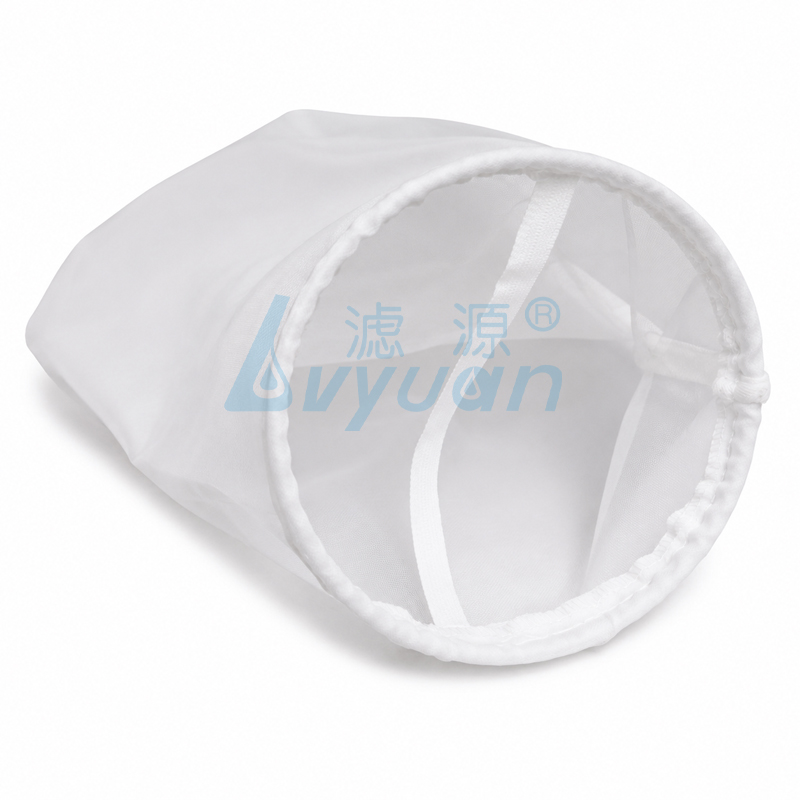
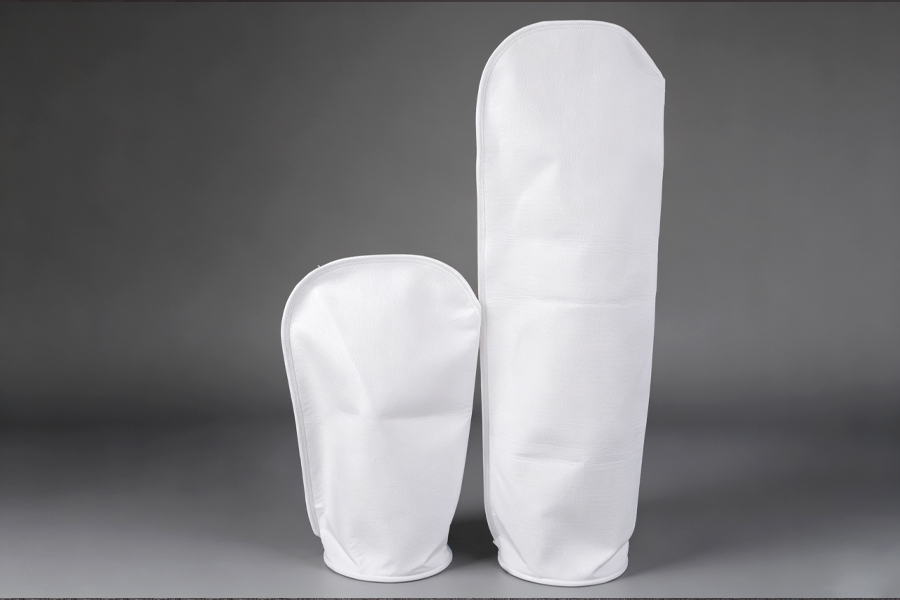
Lvyuan-Industriefilterbeutel bieten eine praktische Möglichkeit, Schwebstoffe, Prozessrückstände, Gele und andere Partikel aus Flüssigkeitsströmen zu entfernen. Als Filtermedien stehen unter anderem Nadelvlies aus Polypropylen und Polyester sowie Nylon- oder andere Monofilamentgewebe zur Auswahl, wobei die Abmessungen der Beutel und die Versiegelungsausführungen so gewählt werden, dass sie dem jeweiligen Prozess und dem kompatiblen Gehäuse entsprechen.
Gesamtlösung
Maßgefertigte Filterbeutel für OEM- und Industrieprojekte
Standardbeutel eignen sich für viele Anwendungsbereiche, doch bei OEM-Anlagen und bestehenden Anlagen sind unter Umständen andere Abmessungen, Materialzusammensetzungen oder Verschlussarten erforderlich.
1. Bewertung von Medien und Mikron
Prüfen Sie den erforderlichen Rückhaltegrad und die für die Betriebsflüssigkeit geeigneten Filtermedien.
2. Maße & Kragen
Passen Sie den Durchmesser, die Länge und die Versiegelungsfläche des Beutels an die Geometrie des kompatiblen Gehäuses an.
3. OEM-Lieferung
Unterstützung von zeichnungsbasierten Anforderungen, Verpackungs- und Kennzeichnungsprogrammen sowie Programmen zum Austausch von Wiederholungsteilen.
Industriefilterbeutel für unterschiedliche Prozessanforderungen
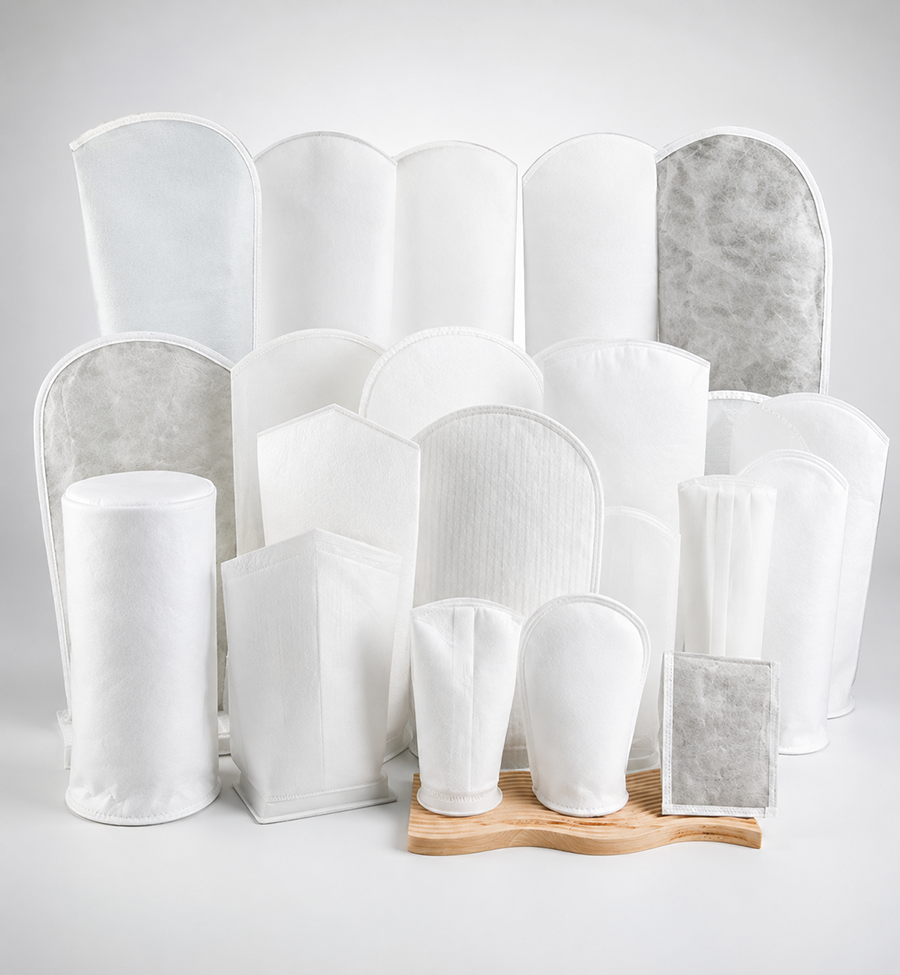
Unser Sortiment an Filterbeuteln lässt sich an unterschiedliche Filteranforderungen anpassen, darunter verschiedene Filtermedien, Mikronwerte, Beutelgrößen, Filz- oder Gewebekonstruktionen sowie Kragen- oder Ringausführungen. Die Optionen können auf geeignete Filtergehäuse abgestimmt und unter Berücksichtigung der Prozessflüssigkeit, der Eigenschaften der Verunreinigungen, der Betriebsbedingungen, der Feststoffbelastung und der erforderlichen Filterleistung bewertet werden.
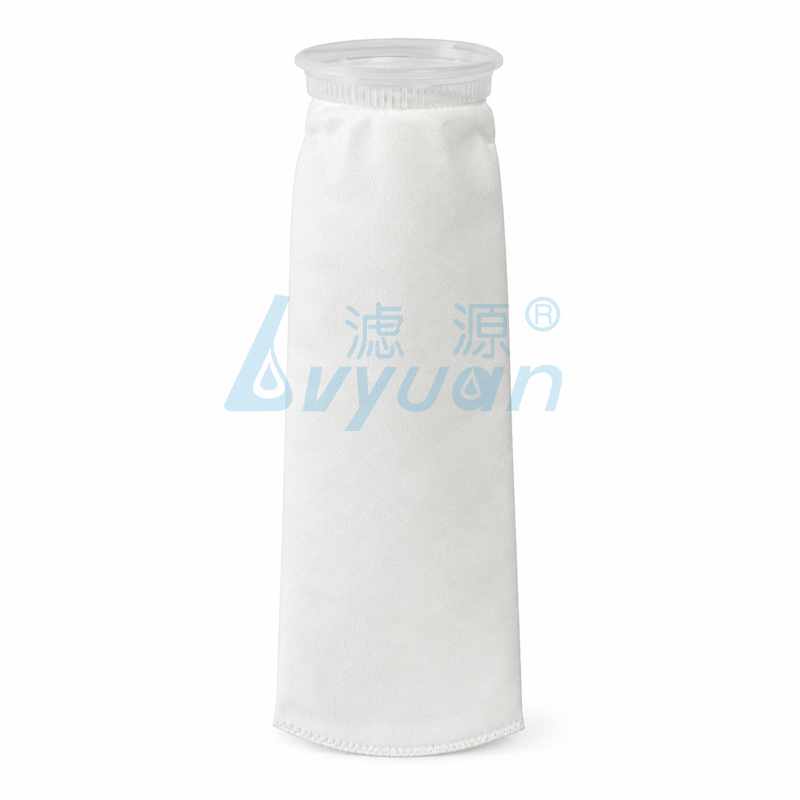
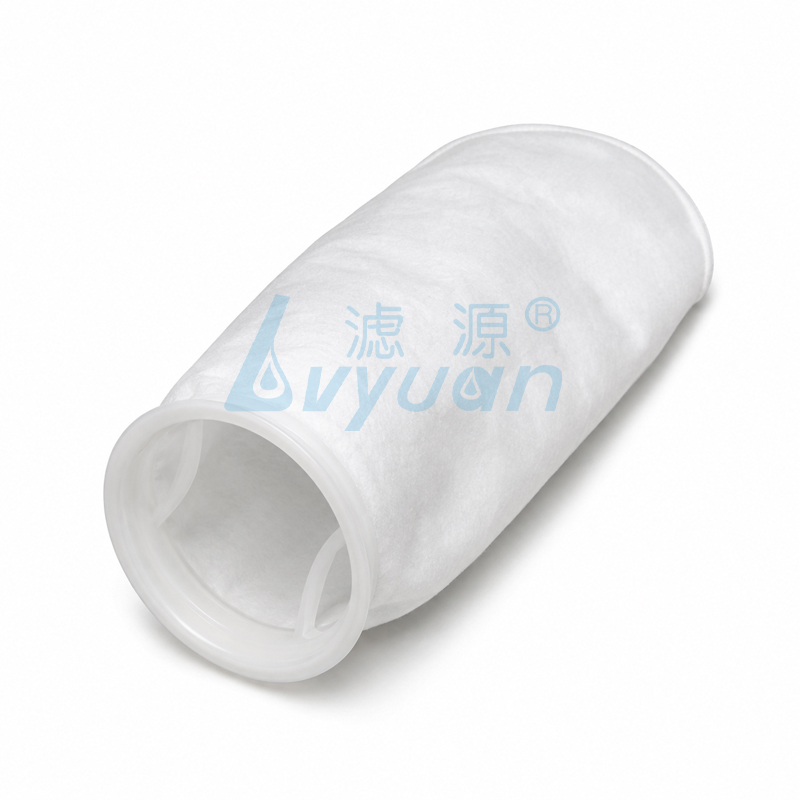
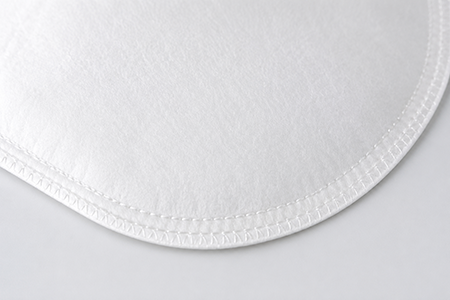
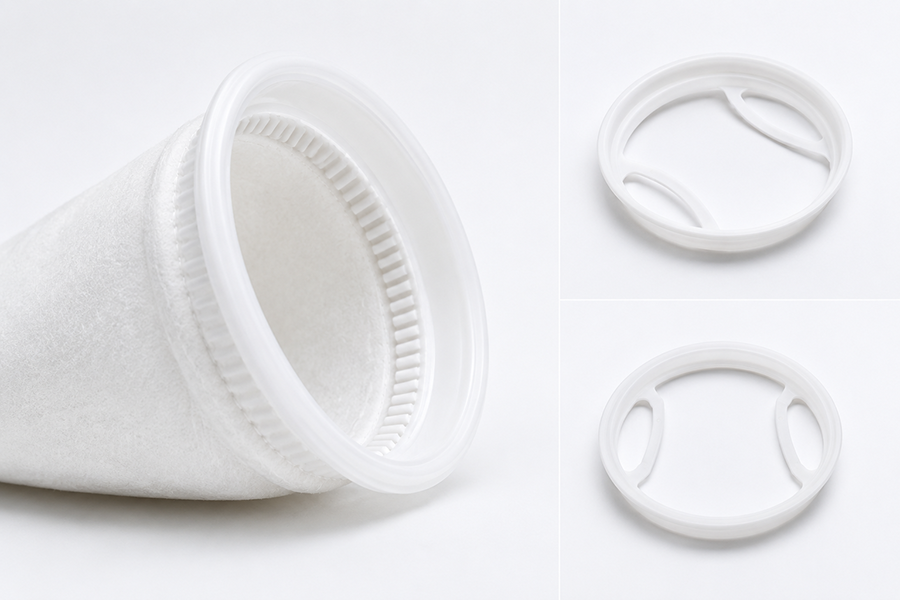
Der Lvyuan-Polypropylen-Filterbeutel verfügt über ein Filtermedium aus PP-Filz und einen geformten Kunststoff-Dichtungsring zur zuverlässigen Partikelentfernung aus Wasser, Chemikalien und industriellen Prozessflüssigkeiten.
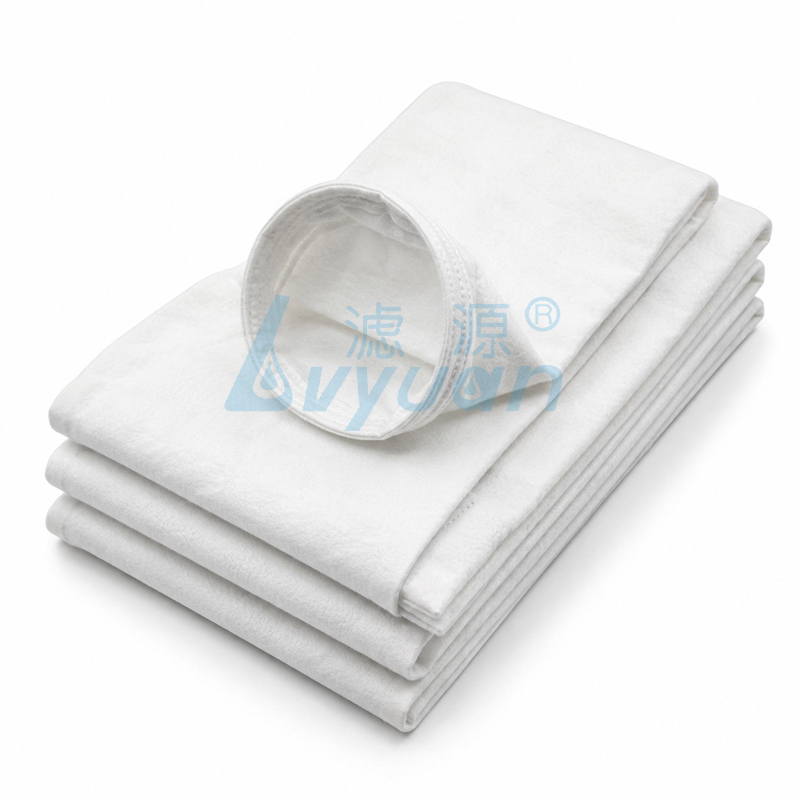
Der Lvyuan PE-Polyester-Flüssigkeitsfilterbeutel besteht aus strapazierfähigem Polyesterfilz und dient zur zuverlässigen Partikelentfernung aus Wasser, Chemikalien, Ölen und verschiedenen industriellen Prozessflüssigkeiten.
Der Lvyuan PTFE-Filterbeutel besteht aus strapazierfähigem PTFE-Filtermedium und sorgt für eine zuverlässige Partikelabscheidung aus korrosiven Chemikalien, Lösungsmitteln, Säuren, Laugen und anspruchsvollen industriellen Prozessflüssigkeiten.
Das Lvyuan-Filtergehäuse aus Edelstahl mit mehreren Filterbeuteln ist eine Hochleistungs-Filtrationsanlage, die mithilfe mehrerer Filterbeutel Partikel aus Industrieabwasser und Prozessflüssigkeiten entfernt.
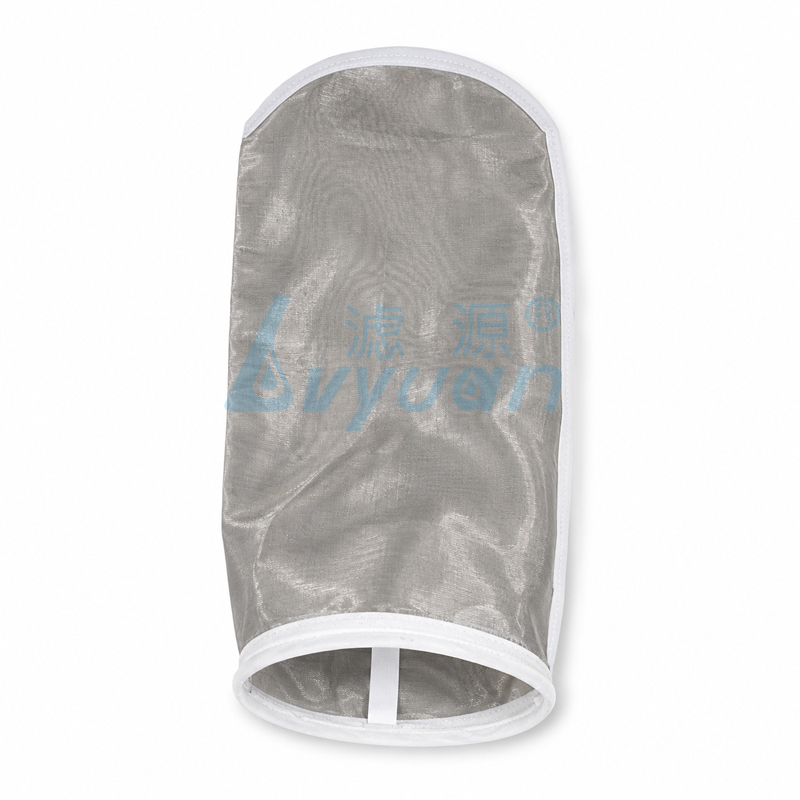
Der Lvyuan-Flüssigkeitsfilterbeutel aus Edelstahlgewebe besteht aus wiederverwendbarem Metallgewebe und dient zur dauerhaften Partikelentfernung aus Wasser, Ölen, Chemikalien und industriellen Prozessflüssigkeiten.
Materialoptionen für Filterbeutel und Filtermedien
Bei der Materialauswahl sollten zunächst die jeweilige Flüssigkeit, die chemische Konzentration, der Druck, die Temperatur, die Einwirkdauer und die Reinigungsmethode berücksichtigt werden. Allgemeine Polymereigenschaften sind zwar für die Vorauswahl hilfreich, stellen jedoch keine garantierten Spezifikationen für jedes einzelne poröse Endprodukt dar.
1. Polypropylen-Filz
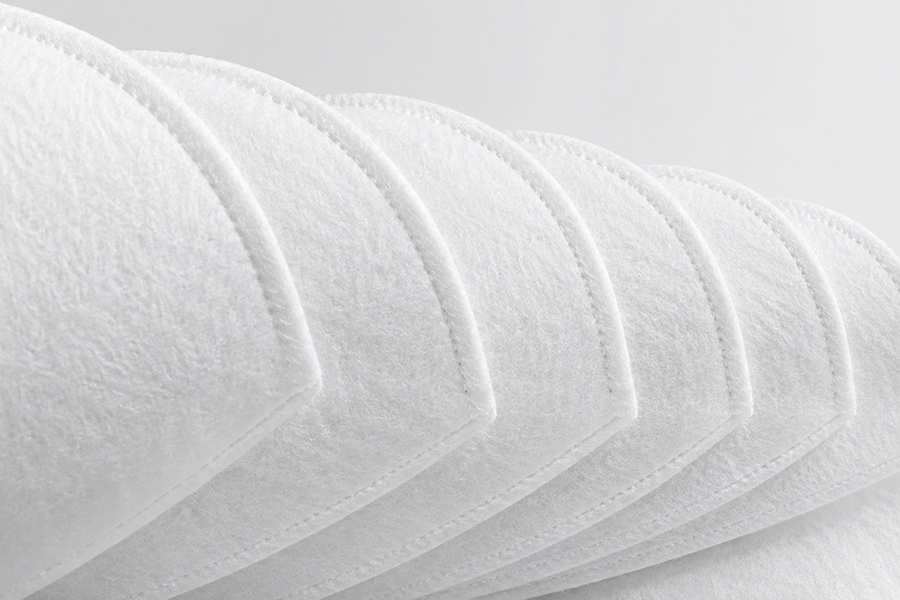
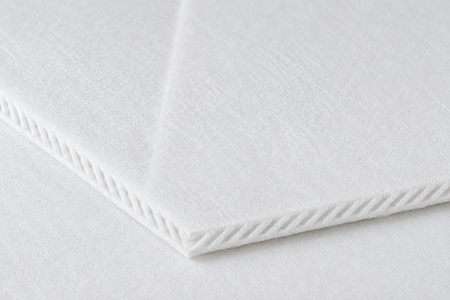
Wird üblicherweise für Wasser und kompatible Prozessflüssigkeiten in Betracht gezogen. Seine Tiefenstruktur bietet eine nützliche Feststoffaufnahmekapazität.
2. Polyesterfilz
Eine bewährte Nadelvlies-Lösung für geeignete industrielle Flüssigkeiten, deren chemische und thermische Eigenschaften den Prozessanforderungen entsprechen.
3. Nylon-Netzgewebe
Gewebte Maschengewebe ermöglichen durch kontrollierte Öffnungen eine oberflächenorientierte Abscheidung und kommen in Betracht, wenn eine Reinigung praktikabel ist.
4. Monofilament-Gewebe
Geeignet für die grobe oder gezielte Partikelabscheidung, bei der definierte, siebartige Öffnungen einer Tiefenfiltration vorzuziehen sind.
Anmerkung zur Auswahl: Die chemische Verträglichkeit und die zulässige Temperatur sollten unter Berücksichtigung der tatsächlichen Zusammensetzung der Flüssigkeit, ihrer Konzentration, der Einwirkzeit und der Betriebsbedingungen überprüft werden. Veröffentlichte Grenzwerte für eine bestimmte handelsübliche Beutelkonstruktion sollten nicht automatisch auf eine andere übertragen werden.
Mikron-Einstufungen, Filterbeutelgrößen und Konstruktionsoptionen
Warum die Passform wichtig ist
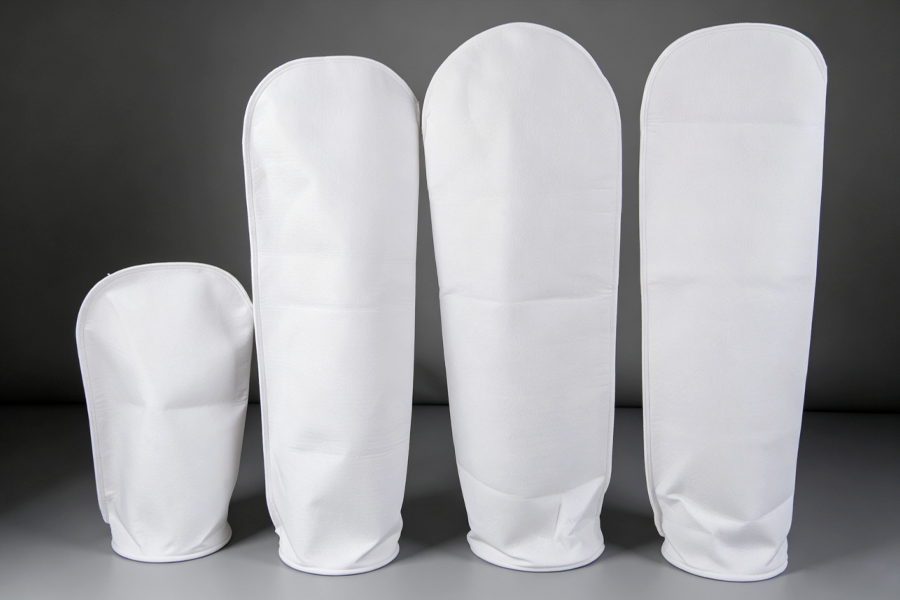
Durchmesser, Länge und Dichtungsgeometrie des Beutels müssen mit dem Aufnahmekorb und der Gehäuseschnittstelle übereinstimmen. Eine falsche Passform kann die Dichtwirkung beeinträchtigen und unerwünschte Leckagen verursachen. Es werden üblicherweise Standardgrößen angeboten, doch können auch Sondermaße geliefert werden, wenn eine OEM-Baugruppe oder ein vorhandenes Gehäuse eine andere Konfiguration erfordert. Wenn die Rückhalteleistung entscheidend ist, sollten Käufer sich vergewissern, wie die Mikron-Einstufung ermittelt wurde, anstatt davon auszugehen, dass jeder Beutel mit derselben Nennzahl die gleiche Leistung erbringt.
Auswahlkriterium
Warum es wichtig ist
Kundenbindung
Nennleistung oder vom Hersteller angegebene Nennleistung
Medien
Nadelvlies / Netzgewebe
Bauwesen
Genäht oder geschweißt – je nach Ausführung
Siegel
Optionen für Ring- und Polymerkragen
System
Gehäuse für einen oder mehrere Beutel
Maßgefertigte Filterbeutel und OEM-Fertigung
Standardfilterbeutel eignen sich für viele Filteraufgaben, doch bei OEM-Anlagen und bestehenden Anlagen sind häufig Abweichungen hinsichtlich der Abmessungen, der Dichtungsausführung oder des Filtermediums erforderlich.
Je nach Anforderung können die Filterbeutel in folgenden Punkten individuell angepasst werden:
Filtermedien und -materialien
Erforderliche Mikron-Filterfeinheit
Durchmesser und Gesamtlänge
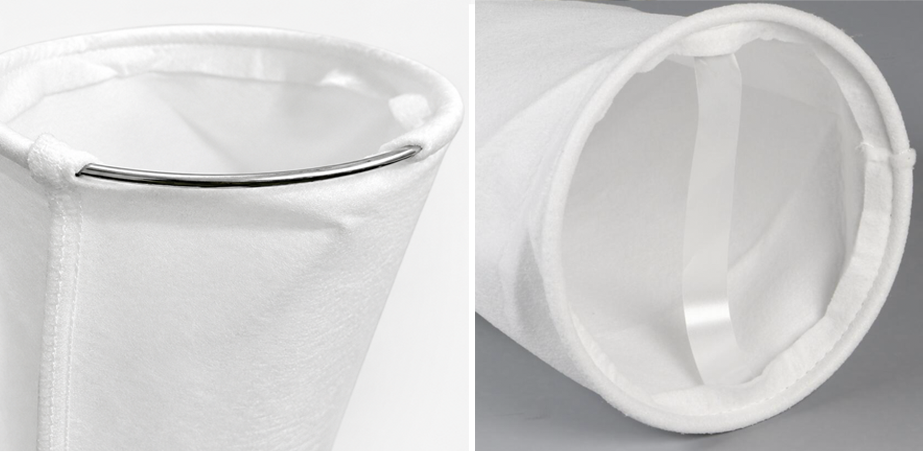
Kragen-, Ring- oder Dichtungsausführung
Genähte oder geschweißte Konstruktion
Sonderabmessungen der Gehäuse
Verpackungsvorschriften
OEM labeling
Sample or drawing-based development
Production quantities for replacement programs
For customized filtration products, useful technical information includes the process fluid, contaminant, operating temperature, desired retention level, existing housing details, current bag dimensions, ring geometry, and required quantity.
Compatibility with an existing style installation should be confirmed dimensionally rather than assumed from a product description alone. Eaton itself provides replacement filter bags for certain FSI applications, demonstrating why the actual housing interface and bag specification matter when cross-referencing established systems.
Our role as a B2B supplier is to review the requirement before manufacture and customize the bag configuration where the application cannot be served reliably by a standard format.
Selecting a Filter Bag for the Right Filtration Duty
Selecting a filter bag should involve the complete operating condition. A lower micron number does not automatically produce a better system. If the media is unnecessarily fine for a high dirt load, differential pressure may rise quickly and replacement frequency may increase.
Key selection factors include the contaminant type, particle distribution, solids concentration, process liquid, chemical compatibility, operating temperature, required flow, acceptable pressure differential, housing size, maintenance practice, disposal requirements, and desired operating cost.
Felt filter bags are commonly considered when depth loading and suspended-particle removal are important. Polypropylene may be evaluated for many compatible aqueous or chemical duties, while polyester may be preferred where its specific material properties better match the process. Nylon or monofilament mesh can be considered for larger particles, screen-like separation, or applications where a cleanable surface medium is useful.
For high solids loading, simply specifying a finer right filter bag can create unnecessary maintenance. Increasing effective area or using a high capacity media design may be more appropriate in some systems. Commercial high efficiency filter bags and extended-area designs also exist, but “high-efficiency” or “high-performance” should refer to a defined product construction and tested retention behavior rather than serve as a generic marketing description. Eaton, for example, offers extended-life and pleated bag constructions specifically designed to increase usable filtration area or dirt-holding capacity.
Filter Bag Filtration for Industrial Liquid Processing
A filter bag is a replaceable filter media element installed inside a supporting basket within a pressure housing. During operation, process liquid passes through the bag media while particles larger than the effective retention capability are captured either within the depth of felt media or on the surface of mesh media.
Bag filtration is widely used where relatively large volumes of liquid need economical solids removal without the complexity of more specialized separation equipment. Established industrial filtration manufacturers describe filter bags as suitable for removing unwanted particles from liquids across applications ranging from water and chemicals to coatings and other process fluids.
Performance depends on the complete assembly rather than the filter bag alone. The bag must fit the housing and restrainer basket correctly, while the sealing ring or collar must engage properly with the housing design. Media type, retention rating, dimensions, seam construction, process conditions, and contaminant characteristics therefore need to be considered together.
This category covers Flüssigkeitsfilterbeutel rather than dust collector bags or baghouse products. It is also distinct from a pleat-style cartridge filter, although bag and cartridge technologies may both be used at different stages within industrial filtration systems.
Industriefilterbeutel für unterschiedliche Prozessanforderungen
Our filter bag range can be configured around different filtration requirements, including variations in filter media, micron ratings, bag size, felt or mesh construction, and collar or ring design. Options can be matched to suitable filter housings and evaluated according to process liquid, contaminant characteristics, operating conditions, solids loading, and required filtration performance. Product examples can therefore be selected according to the needs of each application rather than treated as one universal specification.
Filter Bag Applications Across Industry
Bag filters are used across many liquid-processing operations because they can handle both routine clarification and process protection duties.
Water and wastewater processing: They may remove rust, pipe scale, suspended solids, treatment residues, or other particulate before downstream equipment.
Chemische Verarbeitung: Appropriate media can be used for raw materials, intermediate streams, resins, cleaning liquids, or compatible chemical solutions. Material selection must account for actual chemistry.
Paints, coatings, and inks: Filtration can remove agglomerates, skins, unwanted particles, and process debris before filling or downstream application equipment. Eaton identifies paints, varnishes, inks, and chemicals among established applications for its bag filtration products.
Plating and surface treatment: Bags may provide particulate removal from compatible process or rinse liquids, helping protect pumps, nozzles, and downstream treatment stages.
Food and beverage processing: Suitable, documented media can be applied to beverages, edible oils, process water, sugar solutions, and related duties. Food-contact compliance must be confirmed for the specific product rather than assumed for every polypropylene or polyester bag.
Oils and lubricants: Bag filtration may remove particulate contamination from compatible lubricants, hydraulic fluids, or processing oils.
Other duties include cooling water, pre-filtration, activated carbon recovery or removal, equipment protection, and general industrial liquid processing. Media compatibility should be reviewed separately for each application.
Filter Bag Performance, Particle Loading and Replacement
Actual filter performance is influenced by the media, effective filtration area, particle characteristics, incoming dirt concentration, liquid viscosity, flow conditions, differential pressure, and the condition of the housing assembly.
As solids accumulate, resistance across the bag normally increases. The appropriate replacement point should therefore be based on the process specification, housing limitations, flow requirements, and operating experience rather than on an assumed fixed service interval.
Installing the bag correctly is equally important. The element should sit properly inside the support basket, and the sealing interface should engage as intended. Eaton specifically notes correct insertion and alignment as part of proper bag installation for one of its commercial product ranges.
A properly specified system can help avoid premature replacement, excessive pressure drop, unnecessary downtime, and avoidable media consumption. It does not, however, eliminate maintenance. Service life varies considerably with contaminant load and operating conditions.
Where greater solids capacity is needed, extended-area or multi-layer media types may be evaluated instead of repeatedly shortening the change-out interval. Multi-bag housings can also increase available filtration area where system flow and process design justify a larger assembly.
Why Filter Bag Supplier Consistency Matters
A filter bag is a consumable component, so procurement performance is affected by repeatability over many replacement cycles.
Industrial buyers should evaluate whether a supplier can maintain consistent media specification, dimensional control, seam quality, ring or collar fit, and general assembly quality. Material traceability may also be relevant where the process or internal quality system requires it.
Consistent dimensions are particularly important for replacement programs. A bag that fits loosely, seals incorrectly, or differs significantly from the approved construction can change filtration behavior even when the nominal micron rating appears unchanged.
A professional supplier should also be able to discuss the application in technical terms rather than recommend products solely from a micron number. Process chemistry, temperature, dirt loading, housing geometry, and filtration objective all affect the final choice.
This approach reduces sourcing risk and helps purchasing teams maintain greater reliability across repeat orders without relying on unsupported claims of “high-quality,” “innovative,” or universal performance.
Filter Bag FAQ
Wie wähle ich den richtigen Filterbeutel aus?
Start with the process liquid and filtration objective. Identify the contaminant, approximate particle size, solids concentration, desired retention, operating temperature, required flow, existing housing, and acceptable differential pressure. Then compare suitable media and construction options. A polypropylene felt bag, polyester felt bag, or nylon mesh bag can behave quite differently even when similar dimensions are used.
Welche Mikron-Filterfeinheit sollte ich wählen?
Choose a rating according to the particle size that needs to be controlled and the required downstream result. Avoid automatically selecting the smallest micron rating. Overly fine media can load quickly where contaminant concentration is high. Also confirm whether the specified micron ratings are nominal, absolute, or based on another manufacturer-defined retention method.
Was ist der Unterschied zwischen Filterbeuteln aus Filz und solchen aus Netzgewebe?
Felt generally provides a depth-loading structure in which particles can be retained through part of the media thickness. This makes it useful for many suspended-solids applications. Mesh usually provides surface retention through defined woven openings and can be appropriate for larger particles or screening duties. The better solution depends on particle distribution, solids loading, cleaning expectations, and process conditions.
Worin unterscheiden sich Filterbeutel aus Polypropylen und Polyester?
Both materials are widely used for industrial needle-felt filter bags. Their chemical and thermal characteristics are different, so selection should be based on the actual fluid and operating temperature. A published temperature limit for one bag design should not be generalized to every product using the same polymer.
Sind Filterbeutel wiederverwendbar?
Some mesh bags may be cleaned and reused where the material, contaminant, process requirements, and cleaning method permit. Felt bags are more often treated as replaceable filtration media because solids can become embedded within the depth structure. Reuse should be evaluated according to bag condition, cleaning effectiveness, contamination risk, labor cost, and the requirements of the specific process.
Wie bestimme ich die richtige Größe des Filterbeutels?
Check the existing housing, restrainer basket, installed bag dimensions, and sealing interface. Diameter and length alone may not be enough because collar or ring geometry also affects compatibility. If an existing accessory or bag is available, its dimensions, photographs, drawing, or sample can help confirm the required assembly.
Welche Angaben werden für ein individuelles Angebot für Filterbeutel benötigt?
Provide the liquid or chemical composition, contaminant type, target particle removal, preferred material, required micron rating, bag dimensions, collar or ring style, operating temperature, flow requirement, existing housing information, and quantity. Information about current bag performance or replacement frequency can also help identify whether another media construction should be evaluated.
Request Filter Bag Specifications or a Quotation
For a new filtration project or replacement requirement, send us your process fluid, contaminant or particle type, required micron rating, filter bag size, preferred media, flow requirement, operating temperature, existing housing information, and required quantity.
We can review the available filter bag configuration, discuss material and construction options, and assist with specification matching, custom requirements, samples, pricing, or a formal quotation for your industrial filtration project.