Guangzhou Lvyuan Water Purification Equipment Co., Ltd. ist ein 2009 gegründeter Hersteller von Industriefiltern, der Edelstahl-Filtergehäuse, Edelstahl-Sterilwassertanks, Filterelemente, Filterbeutel, Ultra-Polymer-Materialien und Sinterfilterprodukte entwickelt und herstellt. Käufer entscheiden sich für Lvyuan wegen des OEM/ODM-Supports, der ISO9001-Qualitätskontrolle und der Zertifizierungen in mehreren Ländern.
Guangzhou Lvyuan Water Purification Equipment Co, Ltd.
Lvyuan-Metallsinterfilter sind technisch hochentwickelte poröse Bauteile, die zur Abscheidung von Partikeln aus Flüssigkeiten und Gasen eingesetzt werden, wenn herkömmliche Einwegfiltermedien möglicherweise keine ausreichende mechanische Festigkeit, Temperaturbeständigkeit, Formstabilität oder Reinigungsfähigkeit bieten. Je nach Ausführung kann ein Metallsinterfilter aus Metallpulvern, gesintertem Drahtgeflecht, Metallfasern oder einer anderen kontrollierten porösen Metallstruktur hergestellt werden.
Gesamtlösung
Konstruktion von Sintermetallfiltern und Filterleistung des Kerns
Der Lvyuan-Sintermetallfilter verfügt über eine stabile poröse Struktur mit miteinander verbundenen Hohlräumen, die Flüssigkeiten oder Gase durchlassen und gleichzeitig Partikel entsprechend den Eigenschaften des Filtermediums zurückhalten. Bei pulverbasierten Konstruktionen werden ausgewählte Metallpulverpartikel so geformt und gesintert, dass sich eine Verbindung zwischen den Partikeln bildet, ohne dass das Material vollständig schmilzt. Andere Konstruktionen verwenden Metallgewebe, Metallfasern oder Verbundstrukturen. Diese Konstruktionen
1. Kontrollierte poröse Struktur
Die Porenverteilung, die Wandstärke und das Herstellungsverfahren beeinflussen das Rückhaltevermögen und das Fließverhalten.
2. Flüssigkeits- und Gasversorgung
Wird häufig vor Membranen, feineren Filterpatronen oder anderen nachgeschalteten Anlagen eingesetzt.
3. Anspruchsvolle Bedingungen
Die Werkstoffauswahl und die Konstruktion der einzelnen Bauteile müssen im Hinblick auf Temperatur, Druck und Korrosionsbelastung überprüft werden.
Gesinterte Metallfilterelemente für unterschiedliche industrielle Anforderungen
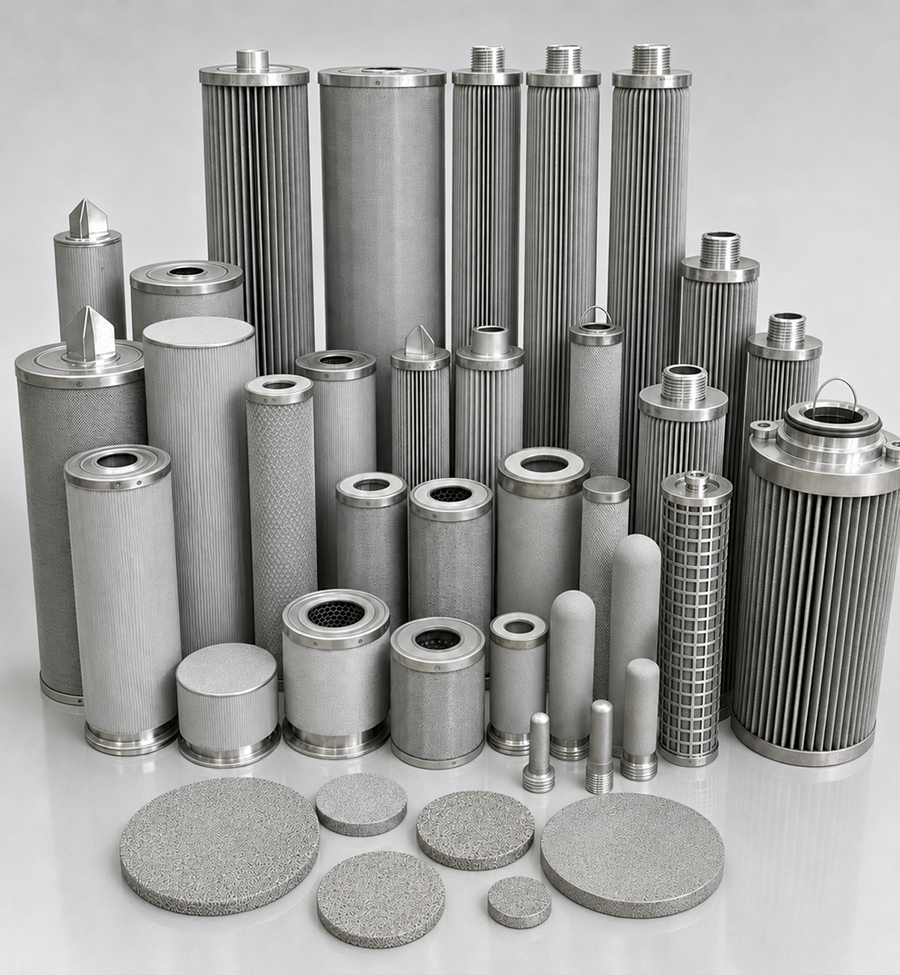
Das Produktsortiment kann gesinterte Metallfilterelemente und poröse Bauteile umfassen, die für die Flüssigkeitsfiltration, Gasfiltration, den Anlagenschutz, die Partikelabscheidung und die Aufbereitung von Prozessflüssigkeiten entwickelt wurden. Die Ausführungen können hinsichtlich Material, Geometrie, Porengröße, Wandstärke, Filtrationsrichtung, Anschlussart und Einbauart variieren.
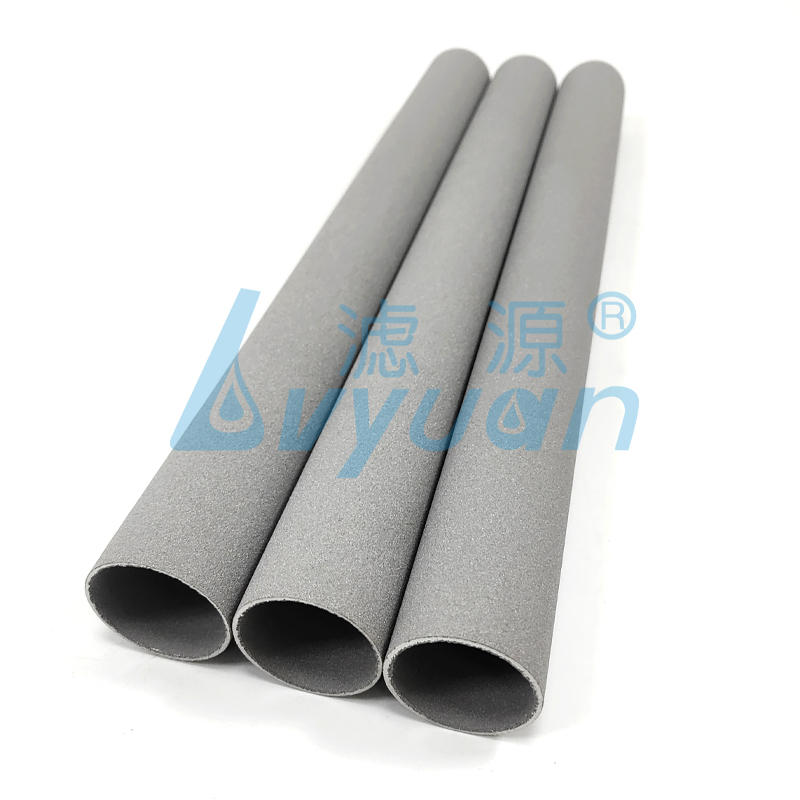
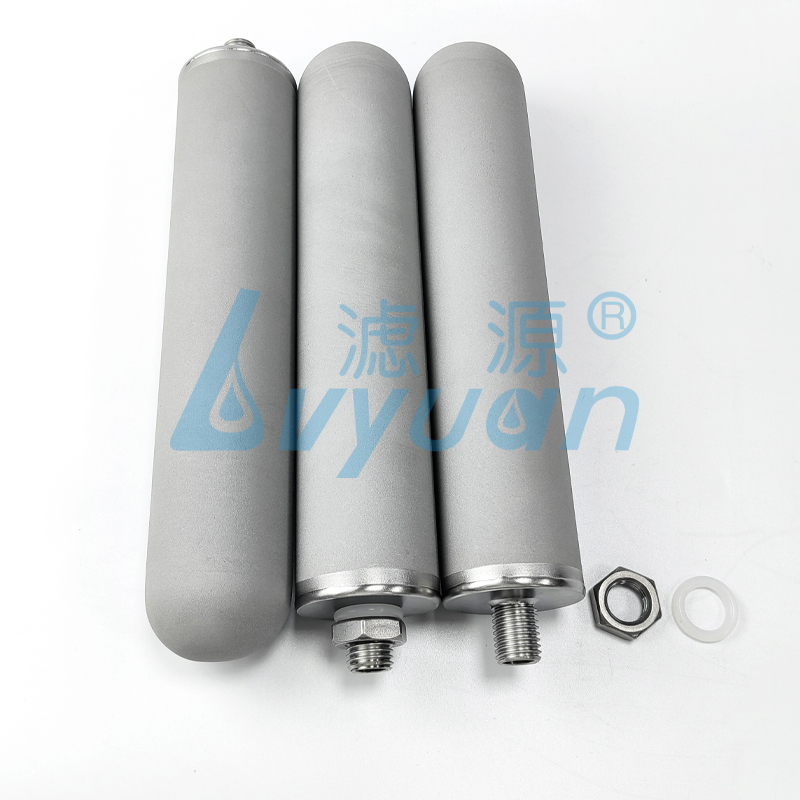
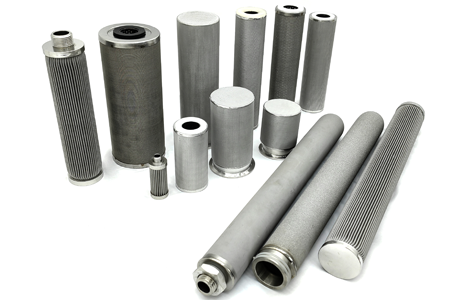
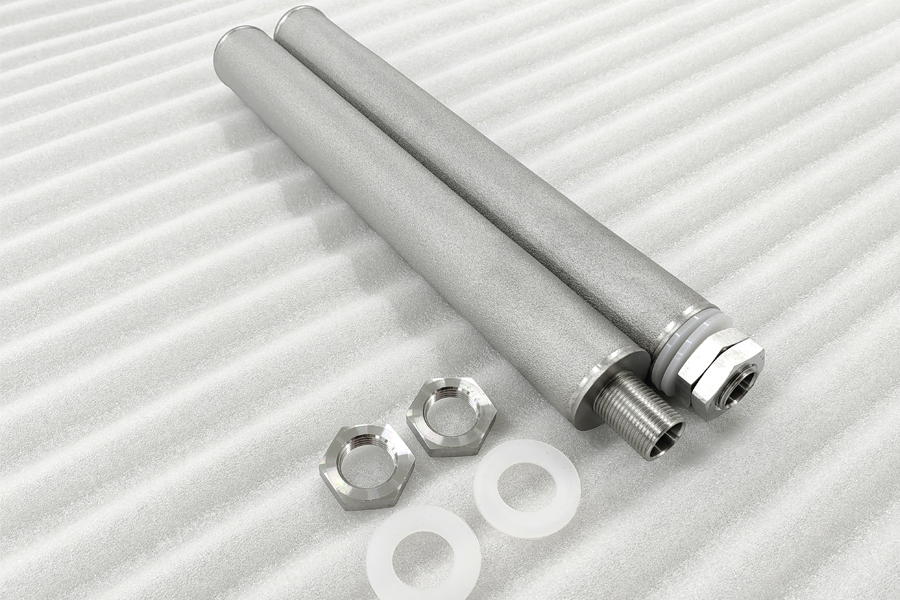
Die gesinterten Metallfilterrohre von Lvyuan Industrial bieten eine langlebige, wiederverwendbare Filterlösung für Flüssigkeiten und Gase und zeichnen sich durch feste Poren, Korrosionsbeständigkeit und Hochtemperaturbeständigkeit aus.
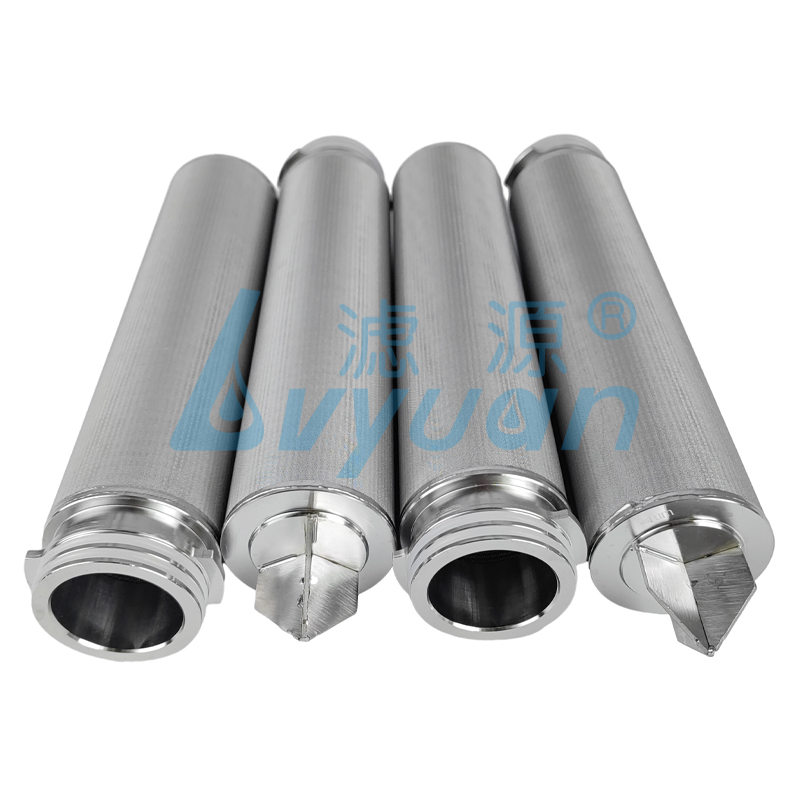
Die Filterpatronen aus gesintertem Drahtgewebe von Lvyuan bieten eine wiederverwendbare Filterung für Flüssigkeiten und Gase und zeichnen sich durch stabile Poren, hohe Festigkeit, Korrosionsbeständigkeit und einfache Reinigung aus.
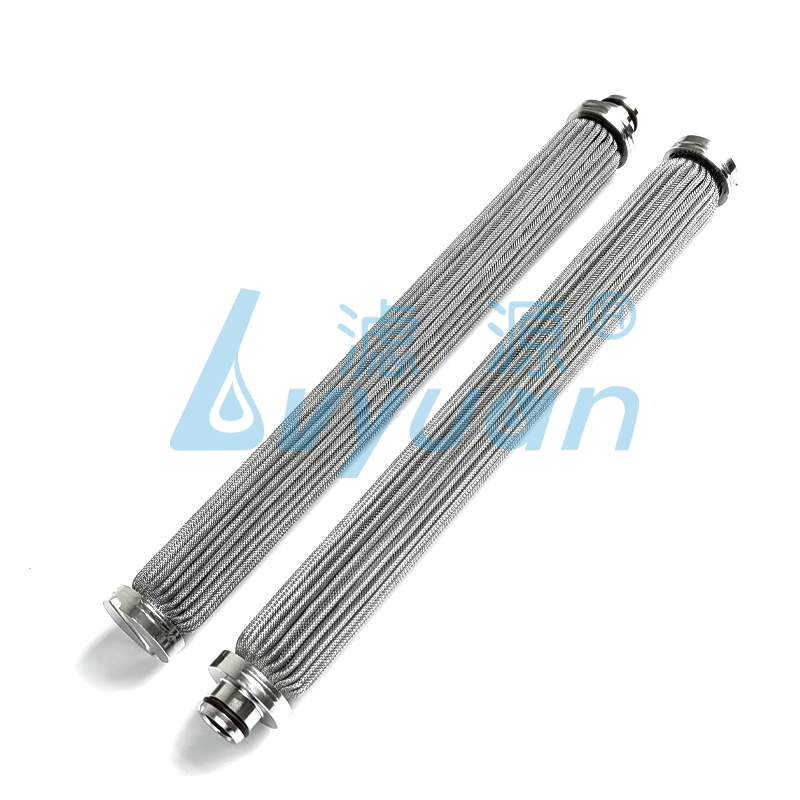
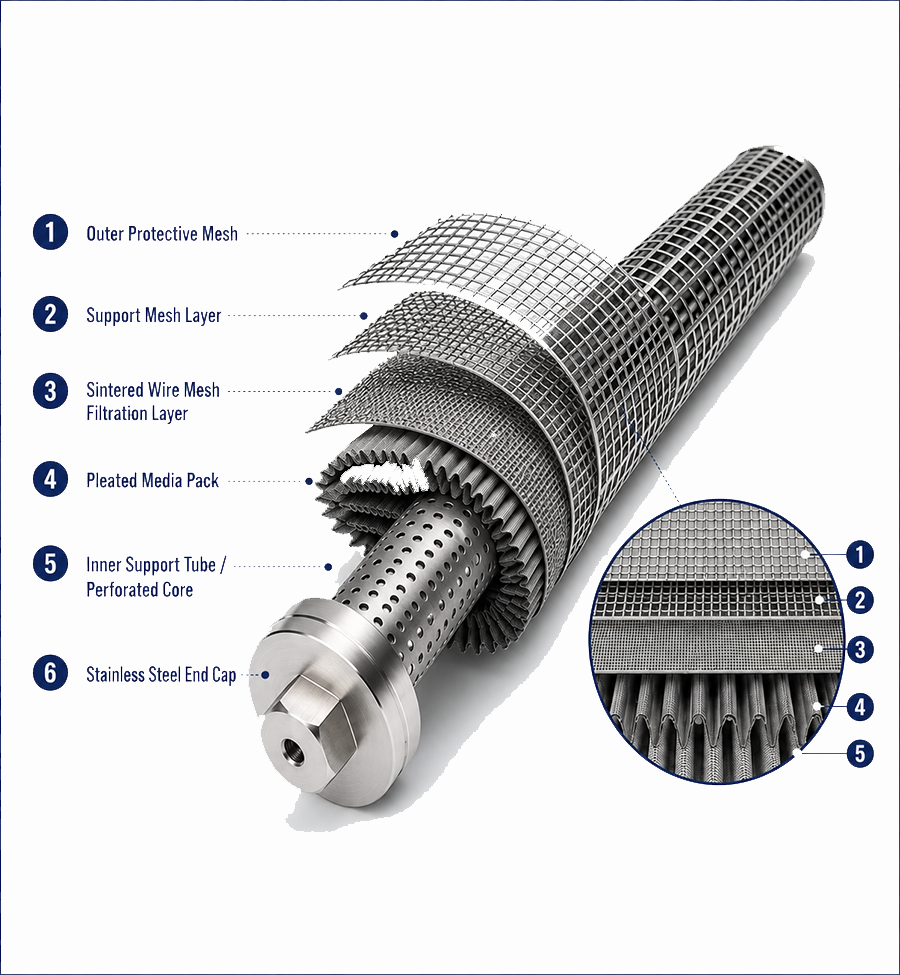
Die Lvyuan-Edelstahl-Faltenfilterpatronen ermöglichen eine wiederverwendbare Flüssigkeits- und Gasfiltration und zeichnen sich durch hohe Festigkeit, eine große Filterfläche sowie eine stabile Leistung aus.
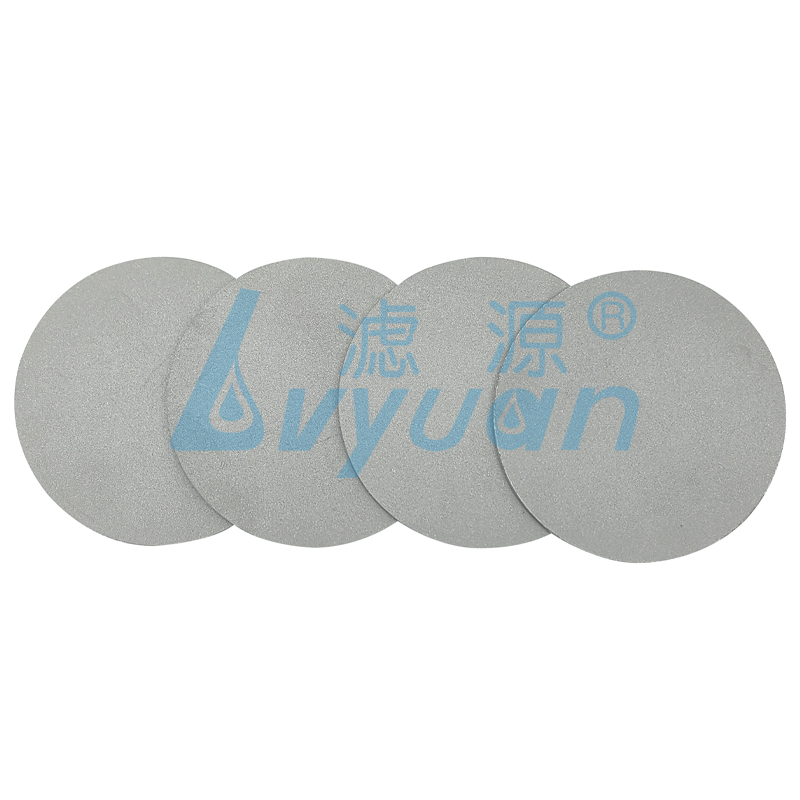
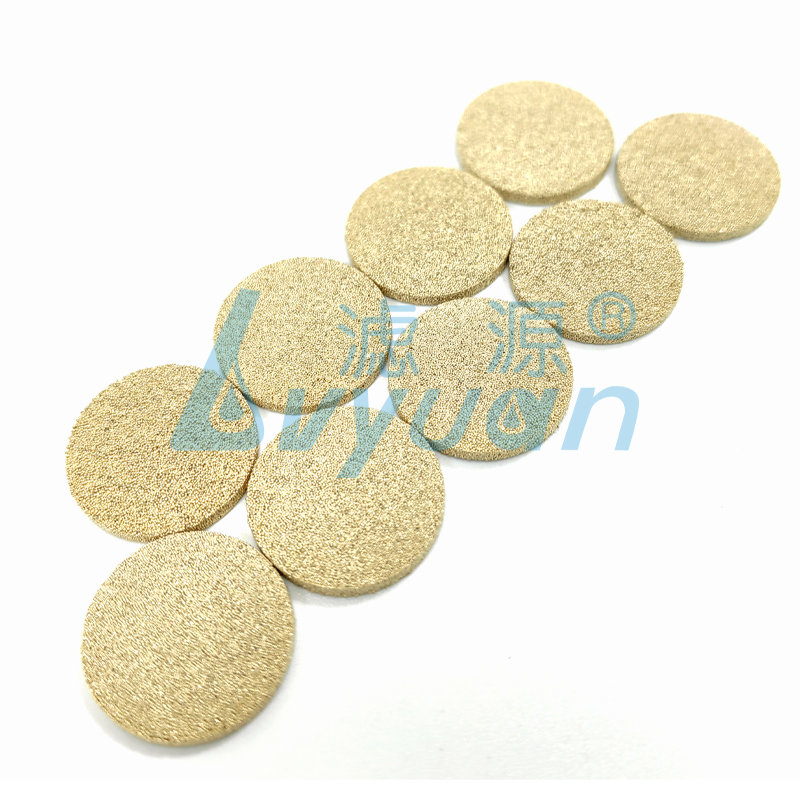
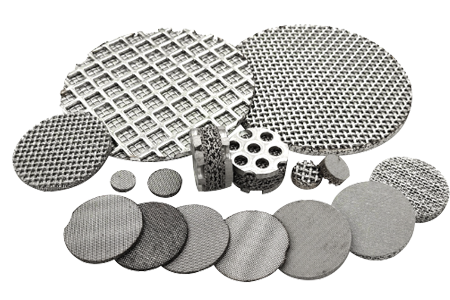
Die gesinterten porösen Metallfilterscheiben von Lvyuan ermöglichen eine präzise Flüssigkeits- und Gasfiltration und zeichnen sich durch gleichmäßige Poren, hohe Festigkeit, Korrosionsbeständigkeit, Langlebigkeit, einfache Reinigung sowie maßgeschneiderte Abmessungen aus.
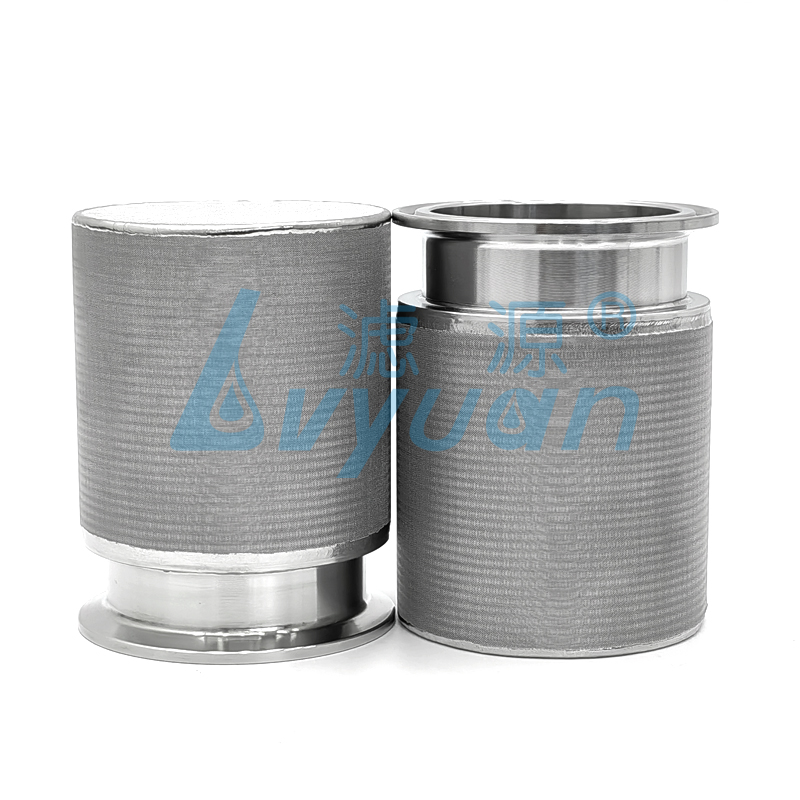
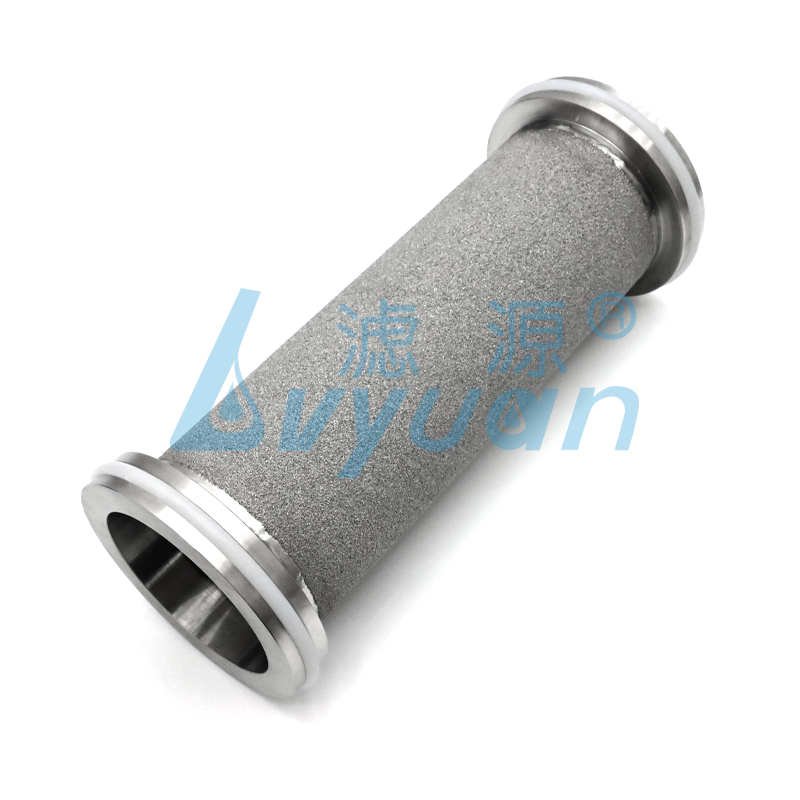
Die gesinterten Drahtgewebe-Filterelemente „Lvyuan Tri-Clamp“ ermöglichen eine wiederverwendbare Flüssigkeitsfiltration mit stabiler Mikron-Rückhaltung, hoher Festigkeit, einfacher Reinigung und schneller Installation.
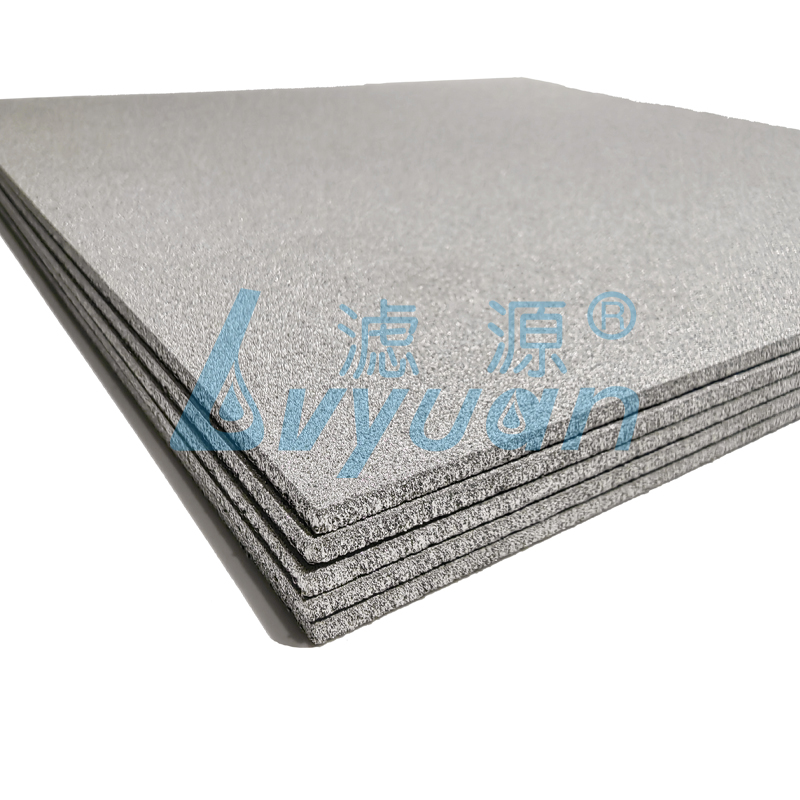
Die gesinterten Metallfilterplatten von Lvyuan gewährleisten eine zuverlässige Flüssigkeits- und Gasfiltration dank gleichmäßiger Porengröße, hoher Festigkeit, wiederverwendbarer Bauweise sowie individuell anpassbarer Abmessungen und Qualitäten.
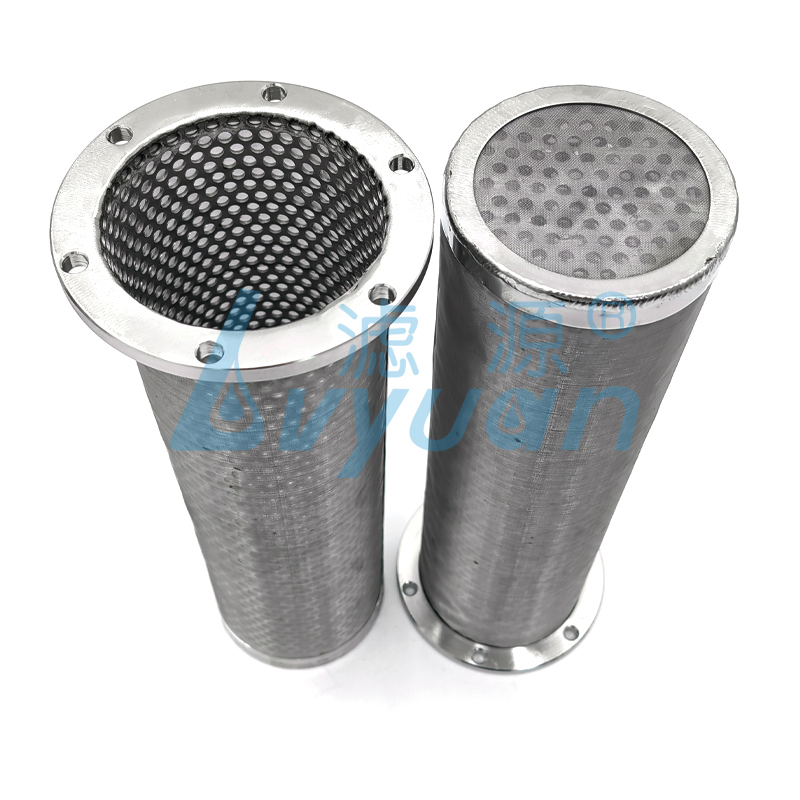
Die perforierten Edelstahl-Filterpatronen von Lvyuan ermöglichen eine wiederverwendbare Flüssigkeitsfiltration und zeichnen sich durch eine starre Stützstruktur, einen stabilen Durchfluss, hohe Festigkeit, einfache Reinigung sowie maßgeschneiderte Abmessungen aus.
Die gesinterten Titan-Filterpatronen von Lvyuan ermöglichen eine präzise, wiederverwendbare Flüssigkeits- und Gasfiltration und zeichnen sich durch hohe Korrosionsbeständigkeit, Temperaturbeständigkeit und einfache Reinigung aus.
Die Sinterpulver-Filterpatrone von Lvyuan zeichnet sich durch gleichmäßige Poren, hohe Festigkeit und zuverlässige Mikronfiltration für Flüssigkeiten und Gase aus und ist zudem hitze-, korrosions- und reinigungsbeständig.
Lvyuan-Filterscheiben aus Sinterbronze bieten eine langlebige, wiederverwendbare Filterlösung für Flüssigkeiten und Gase und zeichnen sich durch gleichmäßige Porengröße, stabilen Durchfluss, Korrosionsbeständigkeit sowie kundenspezifische Abmessungen aus.
Sintermetallwerkstoffe und Konstruktionsmöglichkeiten
Edelstahl wird häufig für den Bau von porösen Metallfiltern in der Industrie verwendet, da er eine vorteilhafte Kombination aus mechanischen Eigenschaften, Korrosionsbeständigkeit und Temperaturbeständigkeit für viele Prozessumgebungen bietet. Die Sorten 316 und 316L werden häufig spezifiziert, doch muss die Eignung stets unter Berücksichtigung des tatsächlichen Prozessmediums und der Betriebsbedingungen geprüft werden.
In bestimmten Anwendungsbereichen können Nickel oder Legierungen auf Nickelbasis erforderlich sein, wenn Edelstahl keine ausreichende chemische Verträglichkeit oder Temperaturbeständigkeit bietet. Die Verfügbarkeit von Speziallegierungen variiert je nach Hersteller und Geometrie.
Bei der Materialauswahl sollte Folgendes berücksichtigt werden:
Zusammensetzung der Prozessflüssigkeit oder des Prozessgases
Betriebs- und Reinigungstemperaturen
Chemische Korrosion und Verträglichkeit
Dauer- und Spitzendruckbedingungen
Mechanische Belastung und Schwingungen
Reinigungschemikalien oder Regenerierungsverfahren
Erforderliche Schweißbarkeit und Auslegung der Verbindungen
Wie durch den Sinterprozess ein poröser Metallfilter entsteht
Das Sintern ist ein Fertigungsverfahren, bei dem Partikel durch kontrollierte Erwärmung miteinander verbunden werden, wobei die Temperatur unterhalb des Punktes gehalten wird, an dem der gesamte Presskörper schmilzt und flüssig wird. Bei Filterprodukten auf Pulverbasis können Metallpulver zunächst in die gewünschte Form geformt oder verdichtet und anschließend unter kontrollierten Bedingungen erhitzt werden, um Verbindungen zwischen benachbarten Partikeln herzustellen.
Bei Filterprodukten besteht das Ziel nicht darin, ein vollständig dichtes Metallbauteil herzustellen. Es müssen kontrollierte Porennetzwerke erhalten bleiben. Die Eigenschaften des Pulvers, die Korngrößenverteilung, die Umformbedingungen und die thermische Behandlung beeinflussen die Porosität, die Durchlässigkeit, das Filterverhalten und die mechanischen Eigenschaften.
1. Sinterpulver
Geformte Metallpulver bilden einen starren, porösen Körper mit miteinander verbundenen Strömungswegen.
2. Gesintertes Drahtgeflecht
Metallgewebeschichten können verklebt werden, um die Formstabilität und die strukturelle Festigkeit zu verbessern.
3. Metallfasern / Verbundwerkstoffe
Je nach den spezifischen Anforderungen an Strömung und Belastung können feine Metallfasern oder poröse Verbundstrukturen ausgewählt werden.
Maßgefertigte Filter und poröse Bauteile aus Sintermetall
Maßgefertigte Sintermetallfilter können entwickelt werden, wenn Standardabmessungen oder Anschlusskonfigurationen nicht zu den vorhandenen Anlagen passen. Je nach Fertigungsmöglichkeiten und dem ausgewählten porösen Material können mögliche Geometrien unter anderem Scheiben, Rohre, zylindrische Elemente, Platten, Becher, Buchsen, Metallrohre und andere spezielle poröse Bauteile umfassen. Kommerzielle Anbieter von porösem Metall zeigen, dass sowohl einfache poröse Formen als auch zusammengebaute Filterelemente praktikable Fertigungsformen sind.
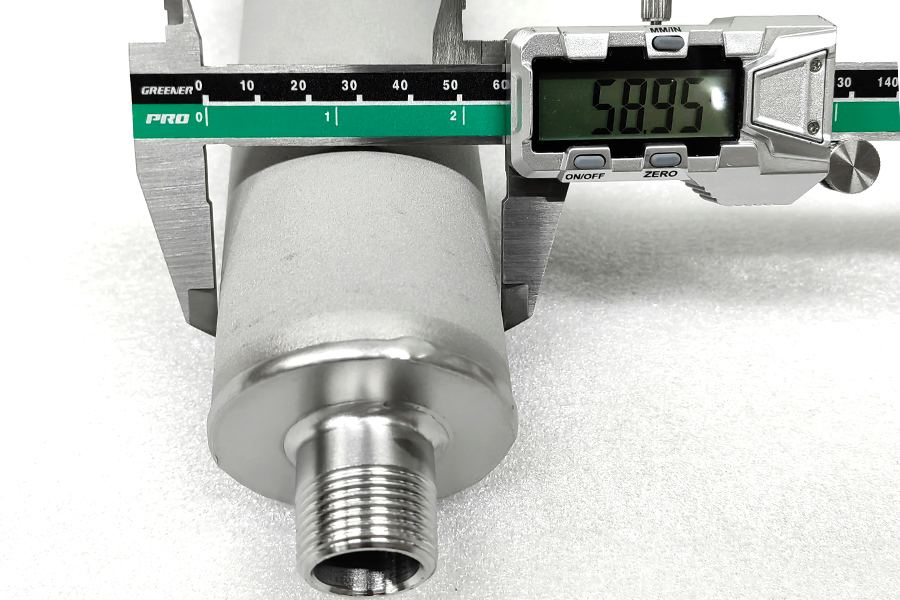
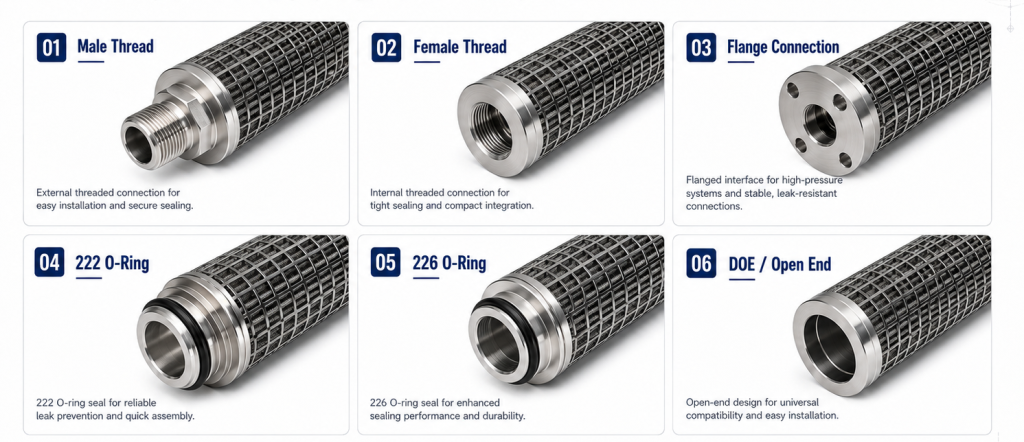
Zu den möglichen Anpassungsparametern zählen Material, Durchmesser, Länge, Wandstärke, Poreneigenschaften, Filterfeinheit, Endanschlüsse, Gewindeanschlüsse, Flansche und Schweißverbindungen.
Für eine genaue technische Prüfung und ein Angebot geben Sie bitte so viele der folgenden Informationen wie möglich an:
Zeichnung oder Maßangabe
Erforderliches Metall oder Legierung
Zielfilterung oder Porenanforderung
Prozessmedium
Beschreibung des Schadstoffs
Betriebstemperatur
Betriebs- und Differenzdruck
Soll-Durchflussanforderung
Verbindungsdaten
Menge
Erwartungen hinsichtlich der Reinigung oder Regeneration
Geltende Anforderungen hinsichtlich Inspektion, Prüfung oder Dokumentation
Anhand dieser Informationen lässt sich feststellen, ob ein vorgeschlagener poröser Metallfilter die erforderliche Kombination aus Filterleistung, struktureller Integrität, Durchfluss und Betriebsbedingungen erfüllen kann.
Sintermetall im Vergleich zu Einweg-Filtermedien
Gesinterte Metallfilter bieten praktische Vorteile, wenn ein Prozess eine starre Bauweise, Maßhaltigkeit, wiederholte Reinigung, hohe Temperaturen oder eine höhere Beständigkeit gegen Druckunterschiede erfordert. Ihre gebundene Metallstruktur kann im Vergleich zu vielen weicheren Filtermedien eine hohe mechanische Festigkeit bieten, und mehrere handelsübliche Metallfiltertechnologien sind speziell als reinigbare Elemente konzipiert.
Das bedeutet jedoch nicht, dass Sintermetall in jedem Fall vorzuziehen ist.
Einwegkartuschen, -beutel und andere Medien aus Polymeren können geringere Anschaffungskosten verursachen und sind unter Umständen praktischer, wenn die Kontaminationsbelastung hoch ist, der Austausch einfach ist, die Temperaturen moderat sind oder eine Reinigung wirtschaftlich nicht vertretbar wäre.
Bei einem korrekten Vergleich sollten alle Prozessanforderungen berücksichtigt werden: Filterziel, Druckverlust, Reinigungshäufigkeit, Stillstandzeiten, Betriebstemperatur, Chemikalienbelastung, Kosten für den Elementaustausch und die zu erwartenden Betriebsbedingungen. Das Ziel besteht nicht lediglich darin, eine optimale Filterlebensdauer zu gewährleisten, sondern die Filtertechnologie auszuwählen, die für die jeweilige Anwendung sowohl technisch als auch wirtschaftlich sinnvoll ist.
Porengröße, Porosität und Mikron-Einstufung
Die Porengröße beschreibt die Eigenschaften der Öffnungen oder Strömungswege im Inneren des porösen Materials, während die Porosität den Anteil des Hohlraums innerhalb der Struktur angibt. Diese Parameter beeinflussen die Durchlässigkeit und den Durchfluss, sollten jedoch nicht als austauschbare Maßstäbe für die Filtrationseffizienz interpretiert werden.
Eine Struktur mit hoher Porosität kann ein größeres verfügbares Durchflussvolumen und – je nach Ausführung – einen geringeren Druckverlust oder eine hohe Schmutzaufnahmekapazität bieten. Metallfasermedien sind hierfür ein gutes Beispiel: Kommerzielle Faserkonstruktionen können hohe Porosität mit erhöhter Durchlässigkeit und einer großen verfügbaren Oberfläche kombinieren.
Auch die Angabe der Mikron-Filterfeinheit erfordert eine ebenso sorgfältige Interpretation. Ein angegebener Porenwert garantiert nicht automatisch die vollständige Rückhaltung jedes Partikels derselben Größe. Ingenieure sollten die vom Hersteller angegebene Bewertungsmethode, die zu filternde Verunreinigung, die Partikelgrößenverteilung, die Viskosität der Flüssigkeit, die Filterdicke, den Filtrationsmechanismus und den zulässigen Differenzdruck berücksichtigen.
Anforderungen wie beispielsweise 0,5 Mikrometer, 100 Mikrometer, oder eine andere angegebene Rückhalteeffizienz sollte daher eher als Anwendungsparameter denn als allgemein gültige Eigenschaft betrachtet werden. Kommerzielle Produkte aus gesintertem porösem Metall werden mit sehr unterschiedlichen Porengrößenbereichen hergestellt, was ein Grund dafür ist, dass die konkrete Ausführung vor der Bestellung geprüft werden muss.
Auswahl eines Sintermetallfilters für Ihren Prozess
Bei der Auswahl eines Sintermetallfilters stehen die Betriebsbedingungen im Vordergrund und nicht lediglich die geforderte Mikron-Feinkeit.
Bei der Förderung von Flüssigkeiten können Viskosität, Konzentration der Schwebstoffe und Eigenschaften der Verunreinigungen das Strömungsverhalten und den Druckaufbau erheblich beeinflussen. Bei der Förderung von Gasen können andere Faktoren eine Rolle spielen, darunter die Gaszusammensetzung, die Temperatur, die Partikelbelastung und die Anforderungen an die Sauberkeit im nachgelagerten Bereich.
Eine sinnvolle Spezifikation sollte folgende Punkte abdecken:
Zu filternde Flüssigkeit oder Gas
Zielschadstoff und Partikelgröße
Erforderliche Filterfeinheit
Normale und maximale Betriebstemperatur
Betriebsdruck und maximaler Differenzdruck
Erforderlicher Durchfluss
Viskosität der Flüssigkeit, sofern relevant
Chemische Verträglichkeit
Verfügbarer Einbauraum
Filterabmessungen und -geometrie
Gewinde, Flansch oder sonstige Anschlussanforderungen
Reinigungs- oder Regenerierungsverfahren
Erforderliche Betriebsanweisungen und Systemkonfiguration
Bei bestimmten Filtersystemen sind eine Außen-Innen-Filtration, ein Innen-Außen-Betrieb, ein Rückfluss und eine Rückspülung möglich, dies sind jedoch keine universellen Merkmale jedes Sinterfilters. Die Rückspülleistung hängt beispielsweise von der Konstruktion der Filterelemente, den zurückgehaltenen Feststoffen und der gesamten Prozesskonfiguration ab.
Auch extreme Spezifikationen erfordern eine produktspezifische Validierung. Eine Anfrage, bei der kryogene Temperaturen im Bereich von -200 °C, ein Prozess bei sehr hohen Temperaturen oder Hochdruckanwendungen können nicht allein deshalb zugelassen werden, weil das Bauteil aus Metall besteht. Legierung, Schweißkonstruktion, Geometrie, Dichtungen und die gesamte Filterbaugruppe müssen berücksichtigt werden.
Wo poröse Metallfilter zum Einsatz kommen
Sintermetallfilter finden in zahlreichen Branchen breite Anwendung, in denen stabile poröse Filtermedien und Beständigkeit gegenüber anspruchsvollen Prozessbedingungen von Bedeutung sind. Zu den etablierten kommerziellen Anwendungsbereichen zählen die industrielle Gasaufbereitung, die chemische Verarbeitung, die petrochemische Industrie, die Polymerverarbeitung, die Wasseraufbereitung sowie weitere industrielle Bereiche.
Zu den typischen Filtrationsaufgaben gehören unter anderem:
Entfernung von Partikeln aus Prozessflüssigkeiten
Verunreinigungen aus Flüssigkeiten vor empfindlichen Geräten
Filtration von Industrie- und Prozessgasen
Katalysator- oder Feststoffabscheidung
Einsatz in Heißflüssigkeits- und Heißgassystemen
Korrosive chemische Prozesse mit einer kompatiblen Legierung
Filtration von Polymeren und Spezialstoffen
Wasseraufbereitung und Aufbereitung von Prozessflüssigkeiten
In Anlagen integrierte OEM-Filtertechnik
Die Technologie poröser Metalle kommt auch in der Luft- und Raumfahrt sowie in anderen Spezialsystemen zum Einsatz, wobei die Eignung für diese anspruchsvollen Umgebungen eine detaillierte technische Prüfung erfordert und nicht allein anhand der Materialbezeichnung beurteilt werden kann. Porvair, Pall, Mott und andere etablierte Filterhersteller veranschaulichen die vielfältigen Anwendungsmöglichkeiten poröser Metallfiltertechnologien; es sollte jedoch niemals davon ausgegangen werden, dass die Spezifikationen eines Anbieters auch für das Produkt eines anderen Herstellers gelten.
Häufig gestellte Fragen zu Sintermetallfiltern
Was ist ein Sintermetallfilter?
Ein Sintermetallfilter ist ein poröses Metallbauteil, das Flüssigkeiten oder Gase durch miteinander verbundene Porenkanäle hindurchlässt und dabei Partikel entsprechend seinen Filtereigenschaften zurückhält. Er kann aus Metallpulver, Drahtgeflecht, Fasern oder metallischen Verbundwerkstoffen hergestellt werden.
Wie wähle ich die richtige Mikron-Filterfeinheit aus?
Beginnen Sie mit der Partikelgrößenverteilung und der erforderlichen Reinheit im nachgeschalteten Bereich, und berücksichtigen Sie anschließend Durchfluss, Viskosität, Druckabfall sowie die vom Hersteller angegebene Methode zur Bestimmung der Filterleistung. Die Porengröße und die angegebene Mikron-Einstufung sollten nicht automatisch als absolute Werte für die Partikelrückhaltung betrachtet werden.
Welche Materialien können verwendet werden?
Zu den gängigen handelsüblichen Optionen gehört Edelstahl, während bestimmte Hersteller auch poröse Filter aus Nickelbasislegierungen und anderen Speziallegierungen herstellen. Die Wahl des richtigen Materials hängt von der Prozesschemie, der Temperatur, dem Druck und den Korrosionsbedingungen ab.
Können Sintermetallfilter gereinigt und wiederverwendet werden?
Viele Metallfilterelemente sind für die Reinigung und Wiederverwendung ausgelegt, doch die geeigneten Reinigungsmethoden hängen von der porösen Struktur, den Verunreinigungen und dem Prozess ab. Chemische Reinigung, Rückspülung oder andere Regenerierungsverfahren müssen für das jeweilige Element geprüft werden.
Sind Sintermetallfilter für den Einsatz bei hohen Temperaturen geeignet?
Sie können für hohe Temperaturen und Anforderungen an die Hitzebeständigkeit geeignet sein, sofern die Legierung und die gesamte Filterkonstruktion entsprechend ausgelegt sind. Die Temperaturbeständigkeit variiert erheblich je nach Material und Bauweise, daher sollte keine allgemeingültige Höchsttemperatur angenommen werden.
Kann derselbe poröse Metallfilter sowohl für Flüssigkeiten als auch für Gase verwendet werden?
Poröse Metallfilter werden sowohl zur Flüssigkeits- als auch zur Gasfiltration eingesetzt, doch sollte ein für einen bestimmten Prozess konzipiertes Filterelement nicht automatisch auf einen anderen Prozess übertragen werden. Zunächst müssen die Durchflusscharakteristika, die Verunreinigungsbelastung, der Druck, die Temperatur und die Filtrationsanforderungen geprüft werden.
Welche Informationen werden für einen benutzerdefinierten Filter benötigt?
Geben Sie das Prozessmedium, die Anforderungen an Zielpartikel oder Mikrometer, das Material, die Abmessungen oder eine Zeichnung, die Temperatur, den Druck, den Differenzdruck (sofern bekannt), die Durchflussanforderungen, die Anschlüsse, die Menge sowie die Reinigungsanforderungen an. Anhand dieser Angaben kann der Hersteller eine geeignete Konstruktion aus Sintermetall auswählen.
Technischen Support für Ihren Sintermetallfilter anfordern
Wenn Sie einen neuen Filter, einen Ersatzfilter oder ein maßgefertigtes poröses Metallbauteil benötigen, teilen Sie uns bitte Ihre Einsatzbedingungen mit und geben Sie nicht nur eine Teilebezeichnung oder einen Mikronwert an.
Geben Sie die Filtermedium, angestrebte Partikelgröße, Betriebstemperatur, Betriebsdruck, erforderliche Durchflussmenge, bevorzugtes Material, Abmessungen oder Zeichnung, Anschlussart und Anzahl. Falls Differenzdruckgrenzwerte, Reinigungsvorschriften oder besondere Dokumentationspflichten gelten, geben Sie bitte auch diese Angaben an.
Anhand der vollständigen Betriebsdaten können der Filteraufbau, die Poreneigenschaften, die Geometrie und das Material im Hinblick auf Ihren konkreten Prozess geprüft werden, bevor Spezifikationen, Muster oder ein Angebot erstellt werden.