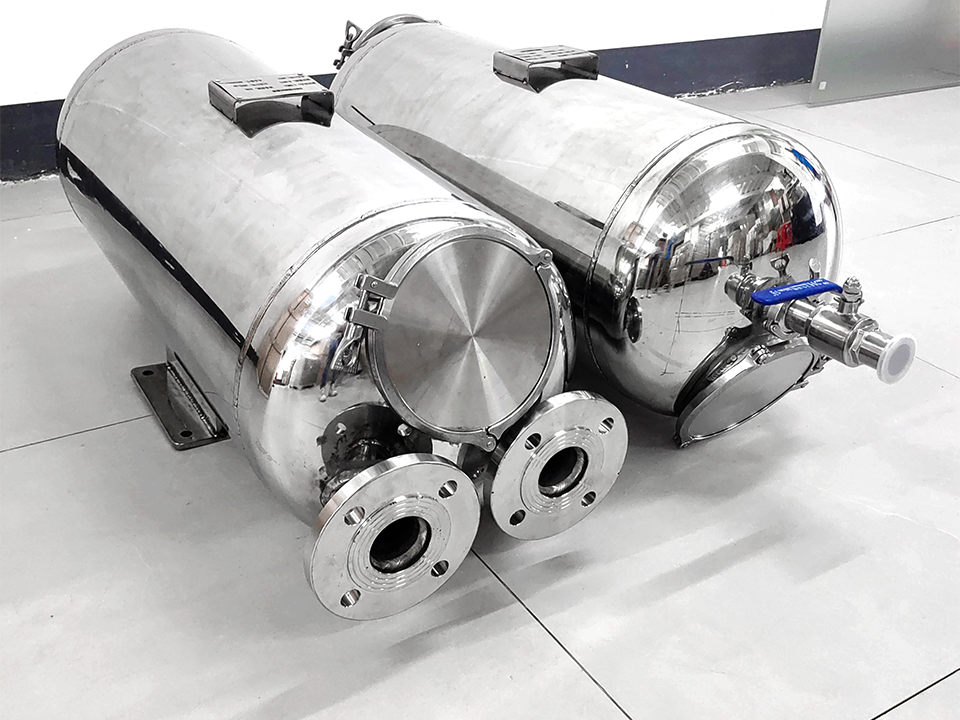
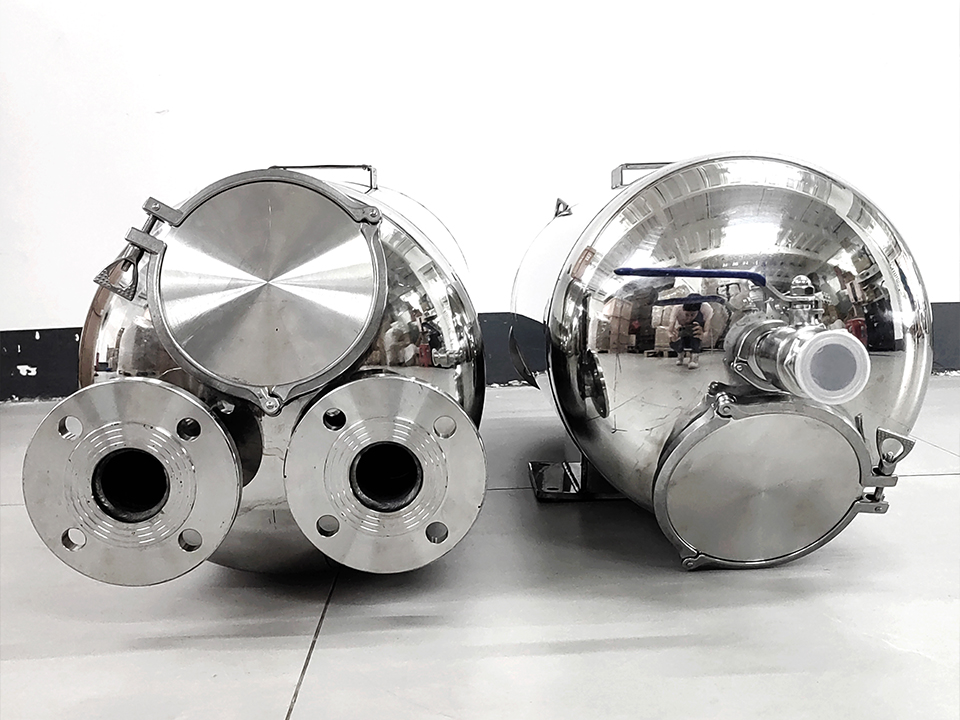
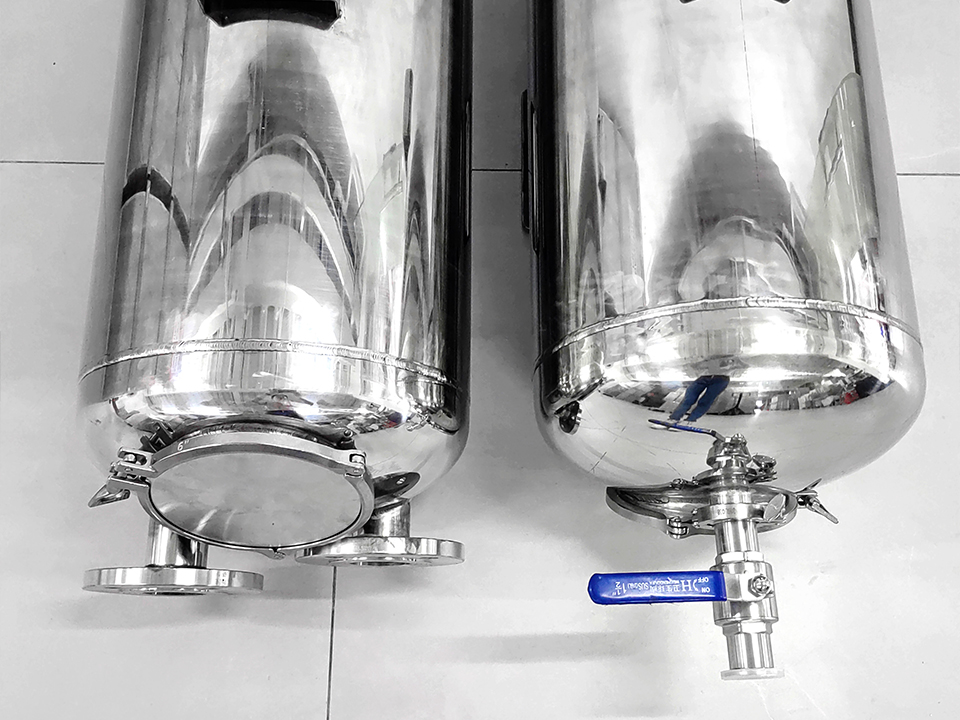
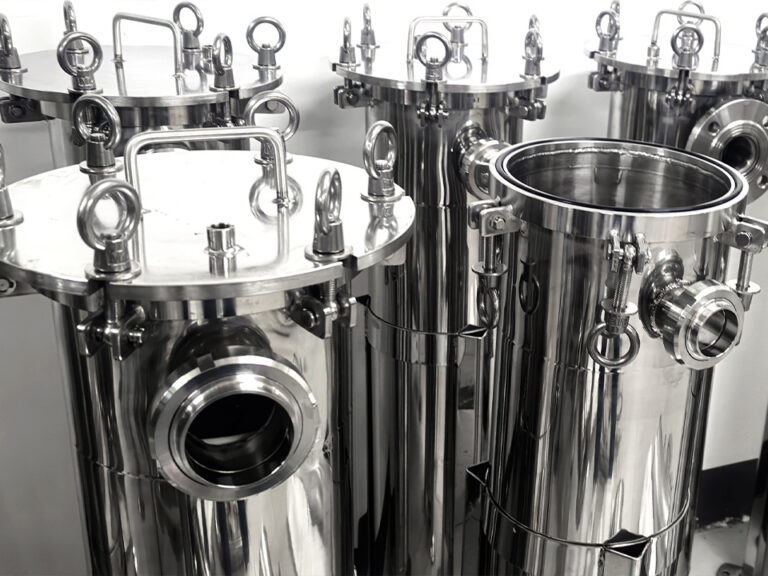
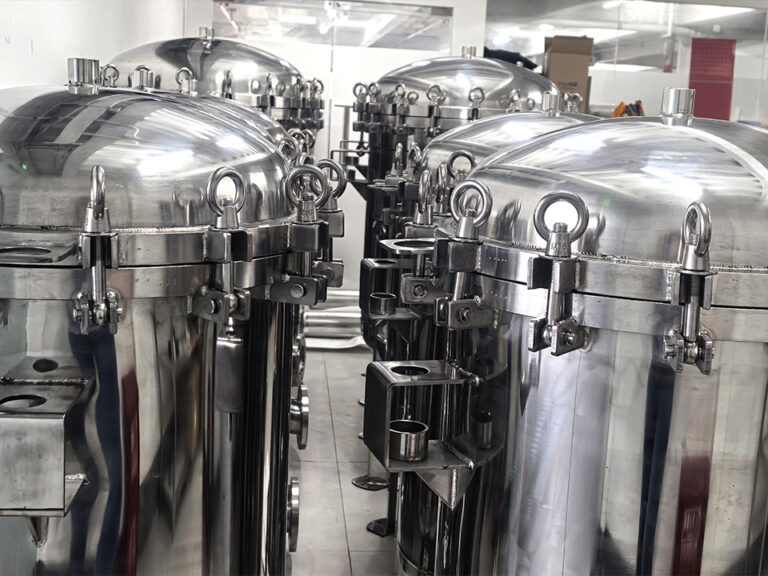
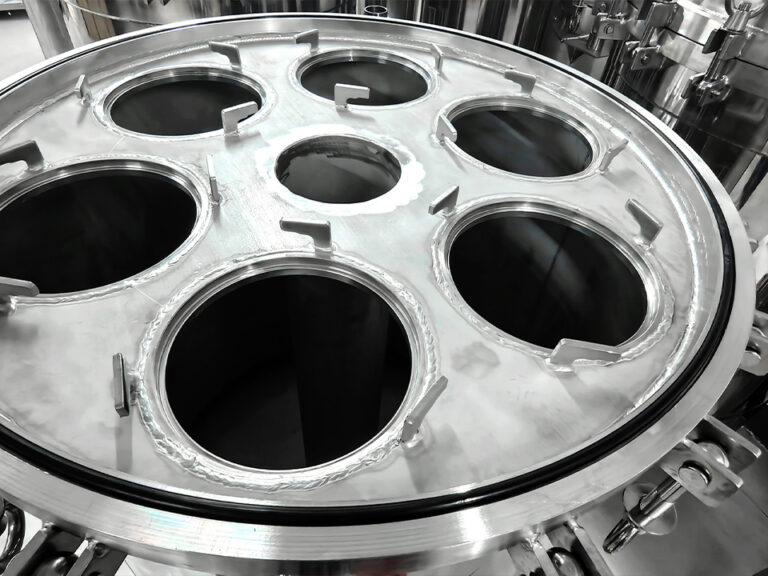
Guangzhou Lvyuan Water Purification Equipment Co., Ltd. ist ein 2009 gegründeter Hersteller von Industriefiltern, der Edelstahl-Filtergehäuse, Edelstahl-Sterilwassertanks, Filterelemente, Filterbeutel, Ultra-Polymer-Materialien und Sinterfilterprodukte entwickelt und herstellt. Käufer entscheiden sich für Lvyuan wegen des OEM/ODM-Supports, der ISO9001-Qualitätskontrolle und der Zertifizierungen in mehreren Ländern.
Guangzhou Lvyuan Water Purification Equipment Co, Ltd.
Anwendungen für Staubschutzabdeckungen für RO-Wasserfilter bei Marken-OEM-Produkten
Ein Marken-Umkehrosmoseanlagen-System kann zwar eine Membran mit hoher Rückhaltefähigkeit, Magnetventile, eine Druckerhöhungspumpe, eine bestückte Leiterplatte, für den Kontakt mit Lebensmitteln zugelassene Rohre und sorgfältig ausgewählte Filterpatronen umfassen, doch das Bauteil, das die Kunden täglich sehen, könnte dennoch eine lose, schlampig genähte Abdeckung sein, die erst am Ende des Projekts gekauft wurde.
Warum sollte man dieses auffällige Element als Nebensache behandeln?
Der weltweite Markt für Wasseraufbereitungsanlagen stieg offenbar von rund $30,25 Milliarden im Jahr 2022 auf $32,47 Milliarden im Jahr 2023, was einem jährlichen Wachstum von 7,3% entspricht. In einem Markt, der sich mit dieser Geschwindigkeit ausdehnt, konkurrieren die OEM-Marken nicht nur hinsichtlich der Verringerung von Verunreinigungen, sondern auch in Bezug auf das Erscheinungsbild, die Sauberkeit der Installation, den Wartungskomfort, die wahrgenommene Hygiene und die Produktkonsistenz.
Ich sage es ganz offen: Eine Abdeckung für einen RO-Wasserfilter ist keine dekorative Verpackung.
Es handelt sich um eine Produktschnittstelle.
Eine gut gestaltete Schutzhülle für einen Wasserfilter kann die Verschmutzung der Oberfläche verringern, Schläuche verbergen, das Markenlogo schützen und der Anlage ein durchdachtes Erscheinungsbild verleihen. Eine schlecht gestaltete Schutzhülle staut Wärme, behindert die Belüftung, verdeckt Undichtigkeiten, erschwert Wartungsarbeiten und wird letztendlich zu einem schimmelanfälligen Stoffbeutel, der um ein Elektrogerät gewickelt ist.
Diese Unterscheidung ist problematisch.
Warum die Abdeckung für den RO-Wasserfilter zum OEM-Style Short gehört
Eine bekannte Abdeckung für einen Wasserreiniger erfüllt in der Regel vier sinnvolle Funktionen:
Es verhindert die Ansammlung von Schmutz auf freiliegenden Bauteilen, Rohrleitungen, Ventilen, Schrauben und elektrischen Bauteilen.
Es verleiht einem OEM-Produkt ein normales Verkaufsaussehen.
Es bietet Platz zum Bedrucken mit Logos, Artikelnummern, QR-Codes, Lösungshinweisen und Informationen zu Ersatzfiltern.
Es verschleiert ästhetische Unterschiede zwischen zugelassenen Zulieferern, ohne zu behaupten, dass diese Komponenten gleichwertig seien.
Dieser letzte Faktor ist zwar unangenehm, aber dennoch real.
OEM-Hersteller verwenden in der Regel mehr als eine zugelassene Bezugsquelle für Schläuche, Pumpen, Gehäuse, Schmutzfilter, Baugruppen und Transformatoren. Die äußere Hülle kann eine einheitliche Markenidentität gewährleisten, während sich die zugelassenen Komponenten im Inneren ändern. Sie darf jedoch keinesfalls dazu verwendet werden, einen nicht zugelassenen Austausch von Bauteilen zu verschleiern.
Ein Cover ist Teil des Markenauftritts. Es ist kein Freispruch.
Der Fall des Gree-Luftentfeuchters aus dem Jahr 2023 greift eine nützliche Warnung auf, die ursprünglich nicht aus der Wasserfilterbranche stammt. Ein Rückruf in den USA betraf rund 1,56 Millionen Geräte in 42 verschiedenen Ausführungen, die unter Markennamen wie Kenmore, GE, SoleusAir, Norpole und Seabreeze verkauft wurden. Der Fall führte später zu den ersten strafrechtlichen Verurteilungen von Führungskräften des Unternehmens, weil sie es versäumt hatten, eine erhebliche Produktgefahr gemäß dem Verbraucherschutzgesetz zu melden.
Ein anderes Gerät, genau dieselbe Lektion für OEMs: Ein bekanntes Logo befreit nicht von der Herstellungspflicht.
Inwiefern eine Schmutzschutzabdeckung für einen Wasserfilter tatsächlich einen Mehrwert bietet
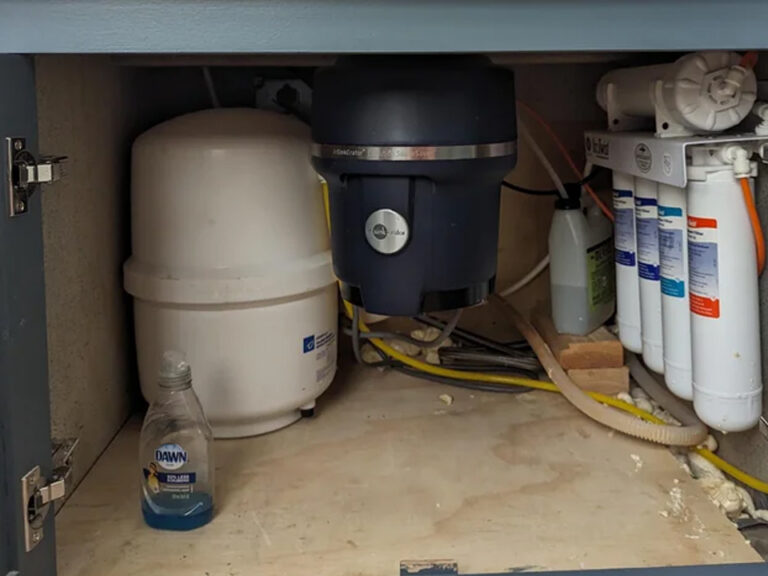
Ein Schmutzschutz für Wasserfilter eignet sich besonders gut für schranklose, wandmontierte, auf der Arbeitsplatte stehende, industrielle und freiliegende Systeme unter der Spüle.
Zu den typischen Anwendungsbereichen gehören:
RO-Anlagen für den privaten Gebrauch mit offenem Rahmen
Herkömmliche 5-, 6- oder 7-stufige Umkehrosmoseanlagen bestehen in der Regel aus Filtergehäusen, Druckbehältern, Schläuchen, Absperrventilen und Pumpen. Eine maßgeschneiderte Abdeckung kann sichtbaren Staub minimieren, während die Befestigungspunkte am Gehäuse und die Kartuschenauffangwannen weiterhin zugänglich bleiben.
Einrichtung von wandmontierten Reinigungsgeräten
An wandmontierten Bauteilen sammelt sich Schmutz auf den ebenen Flächen an, insbesondere am Membrangehäuse, an den Transformatorvorsprüngen und an den Befestigungsbügeln. Eine speziell geformte Abdeckung kann diese Stellen schützen, ohne dass Techniker bei routinemäßigen Wartungsarbeiten die gesamte Baugruppe ausbauen müssen.
Theken- und Systeme für den leichten gewerblichen Einsatz
Modelle für die Arbeitsplatte müssen ästhetisch ansprechender sein als Geräte für den gewerblichen Einsatz. Hier fügt sich die maßgeschneiderte Abdeckung für den RO-Wasserfilter in die visuelle Gestaltung der Einrichtung ein und ist nicht nur ein optionales Zubehörteil.
Eigenmarken-Ersatzprogramme
Eine bekannte Abdeckung kann Informationen zu Filterwechselintervallen, Anleitungen mit QR-Codes, Service-Garantieanfragen und Hinweisen zu Original-Verbrauchsmaterialien enthalten. Dies ist besonders wertvoll, wenn das OEM-Programm ebenfalls Teile wie beispielsweise ein OEM-Filter aus weißem, hydrophilem PE oder verschiedene andere Reinigungsmedien unter Eigenmarken.
Staubige Installationen in Einzelhandelsgeschäften, Werkstätten oder im Halbfreiluftbereich
Garagen, Ladengeschäfte am Straßenrand, Lagerräume, Küchenbereiche auf dem Land und Räume für die Leichtindustrie verursachen eine stärkere Kontamination der Oberflächen als kontrollierte Innenraumumgebungen. Eine staubdichte Umkehrosmose-Abdeckung kann Abhilfe schaffen, doch der Begriff “staubdicht” muss sehr sorgfältig gehandhabt werden.
Dazu bald mehr.
Die harte Realität: Eine Abdeckung kann den Luftreiniger ebenfalls beschädigen
Mangelhafte Abdeckungen führen zu unerwarteten Ausfällen.
Ich würde auf jeden Fall jede Art von Bauweise ablehnen, bei der ein Reinigungsgerät, das eine wärmeerzeugende Druckerhöhungspumpe, ein Schaltnetzteil, ein UV-Vorschaltgerät, einen Warmwasserspeicher, einen Kompressor oder einen Transformator enthält, vollständig gekapselt ist – es sei denn, thermische Tests belegen, dass das gekapselte System innerhalb seiner zulässigen Betriebstemperaturgrenzen bleibt.
Wärme tötet lautlos.
Eine Abdeckung, die die Innentemperatur von 30 °C auf 45 °C erhöht, führt zwar möglicherweise nicht sofort zu einem Ausfall, kann jedoch die Alterung der Isolierung beschleunigen, minderwertige Kunststoffe erweichen, das Kriechen von Klebstoff verstärken, die Lebensdauer elektronischer Bauteile verkürzen und Probleme verursachen, die sich für die Teams nur schwer reproduzieren lassen.
Feuchtigkeit verursacht ein weiteres Problem. Eine fest aufgebrachte Abdeckung kann Kondenswasser oder ein kaum wahrnehmbares Leck einschließen, wodurch Wasser mit Stahlstreben, Befestigungselementen, elektrischen Anschlüssen und Etiketten in Kontakt kommt.
Bei Anwendungen in feuchter Umgebung oder im Außenbereich muss die Sicherheit durch Belüftungsöffnungen, Wasserableitung, wasserabweisende Barrieren und die Wahl geeigneter Komponenten gewährleistet werden. A Feuchtigkeitsfilter für den Außenbereich aus gesintertem PE, PP oder PTFE mag zwar für den Luftdurchsatz des Geräts oder die Art des Gasaustauschs relevant sein, ersetzt jedoch nicht die Prüfung des fertig montierten Luftreinigers.
Und die Sauberkeit der Textilien spielt eine Rolle. Ein waschbarer Bezug, der zwei Tage braucht, um vollständig zu trocknen, ist kein hygienischer Service. Er ist lediglich ein Hilfsmittel zur Aufbewahrung nasser Gegenstände.
Die Wahl des richtigen Materials für eine maßgeschneiderte Abdeckung für einen RO-Wasserfilter
Es gibt kein einziges “bestes” Material, da die richtige Wahl von der Wärmeentwicklung, den Reinigungschemikalien, der Luftfeuchtigkeit, den angestrebten Kosten, der optischen Positionierung und davon abhängt, ob die Abdeckung während des gesamten Betriebs fest sitzt.
Die folgenden Werte dienen als nützliche Anhaltspunkte für die Beschaffung, stellen jedoch keine globalen Standards dar.
Einbandmaterial
Empfohlene Einstiegsvoraussetzungen
Hauptvorteil
Größte Gefahr
Idealer Einsatzbereich
Spinnvlies aus Polypropylen
60–100 g/m²
Kostengünstig und leicht
Lässt sich leicht zerreißen und sieht aus wie Einwegware
Versand von Verteidigungs- oder Einsteigerprodukten
Polyester-Oxford-Stoff
210D– 420D
Langlebig, bedruckbar, individuelles Design
Kann bei starker Beschichtung die Luftzirkulation einschränken
Marken-Umkehrosmoseanlagen für den privaten Gebrauch
PU-beschichtetes Polyester
210D mit leichter PU-Beschichtung
Deutlich bessere Spritzwasserfestigkeit
Kann Wärme stauen und zu Kondenswasserbildung führen
Küchenbereiche und Hauswirtschaftsräume
PEVA-Folie
0,15–0,25 mm
Abwischbar und wasserabweisend
Faltenbildung, Geruch, begrenzte Kosten – das spürt man wirklich
Produkte für Arbeitsplatten im Rahmen des Budgetplans
TPU-beschichtetes Gewebe
Anwendungsspezifische Dichte
Vielseitige, widerstandsfähige Alternative mit geringerem Weichmachergehalt
Höhere Kosten und komplexere Abdichtung
Kosten für Reinigungsmittel mit Markenlogo
Ausgeprägte Bauchmuskulatur oder PP-Schale
Zielfläche mit einer Wandstärke von 1,5–3,0 mm
Optik in Haushaltsgerätequalität
Werkzeugkosten und Belüftungskonzeption
Bekannte OEM-Artikel mit hohem Absatzvolumen
Schatten aus Edelstahl
SS304 oder SS316L
Hitzebeständigkeit und industrielle Robustheit
Kosten, Gewicht, Fingerabdrücke
Systeme für gewerbliche und Forschungslabore
Der richtige Stoff sollte die eigentliche Reinigung überstehen. Dazu können verdünntes Natriumhypochlorit, Tücher auf Ethanolbasis, neutrale Reinigungsmittel, Sprühmittel auf Speiseölbasis oder alkalische Küchenreiniger gehören.
Genehmigen Sie ein Produkt nicht allein auf der Grundlage eines Lieferantenmusters.
Führen Sie Wischprüfungen durch. Führen Sie Geruchsprüfungen durch. Führen Sie Abriebprüfungen des Logos durch. Wiederholen Sie diese anschließend nach der Wärmealterung.
Stoffbezug, Kunststoffschrank oder Edelstahlverkleidung?
Eine Textilabdeckung ist kostengünstig, lässt sich schnell zuschneiden und eignet sich für Programme mit geringem Volumen. Allerdings ist sie anfällig für unsachgemäße Nähte, Verblassen, Einlaufen und Fehler bei der Luftzirkulation.
Ein aus Kunststoff geformtes Gehäuse verleiht einem Marken-Wasserfilter eine stärkere Identität. Es kann über Lüftungsöffnungen, abnehmbare Wartungsklappen, Kabelführungen, Tropfkanäle und manipulationssichere Befestigungselemente verfügen. Allerdings können die Kosten für die Werkzeugherstellung je nach Abmessungen, Oberflächenbeschaffenheit, Komplexität der Form, Kunststoffsorte, erwarteter Lebensdauer des Geräts und Produktionsland mehrere Tausend oder sogar mehrere Zehntausend Dollar betragen.
Edelstahl ist jedoch nicht von vornherein hygienisch. Mangelhafte Schweißnähte, scharfe Innenkanten, tote Räume und unzugängliche Befestigungselemente können dazu führen, dass sich eine Stahlabdeckung schwieriger reinigen lässt als eine fachgerecht konstruierte Polymerbaugruppe.
Eine solide Bauweise kann mangelhafte Konstruktion nicht ausgleichen.
Verwechseln Sie eine Staubschutzabdeckung nicht mit einem Gerät mit IP-Schutzklasse
Die Norm IEC 60529 legt Schutzklassen für elektrische und elektronische Geräte hinsichtlich des Schutzes vor Feststoffen und Flüssigkeiten fest. Die erste Ziffer bezieht sich auf den Schutz vor Feststoffen; Schutzklasse 5 bedeutet Staubschutz, während Schutzklasse 6 unter definierten Prüfbedingungen einen staubdichten Schutz gewährleistet.
Das bedeutet jedoch nicht, dass eine genähte Filterabdeckung der Schutzklasse “IP65” entspricht.”
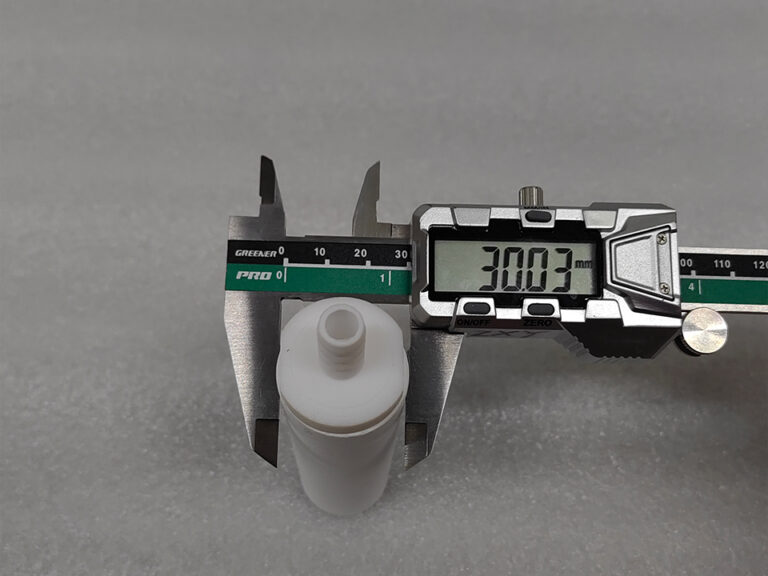
Das bedeutet nicht, dass das unten abgebildete Gerät der Schutzklasse “IP65” entspricht.”
Und das bedeutet keineswegs, dass ein Anbieter ein IP-Zertifikat ausstellen kann, nur weil der Stoff Wasser aus einer Sprühflasche abweist.
Eine IP-Schutzart bezieht sich auf eine geprüfte Gehäusekonfiguration, einschließlich Fugen, Öffnungen, Entlüftungsöffnungen, Kabeldurchführungen, Befestigungselemente, Zugangsklappen, Dichtungen und Einbaulage. Sofern die gesamte Anordnung nicht anhand der angegebenen Prüfung überprüft wurde, sollten beschreibende Formulierungen verwendet werden, wie beispielsweise:
Staubschutzhülle
Spritzwassergeschützte Außenhülle
Abwischbare Schutzhülle
Abnehmbare Abdeckung des Luftreinigers
Vorrichtung zum Schutz des Innenraums vor Verschmutzung
Diese Formulierung ist weitaus weniger interessant. Es ist zudem weniger wahrscheinlich, dass sie zu falschen technologischen Annahmen führt.
Die Deckung darf keine Akkreditierung aus dem RO-System übernehmen.
Die Norm NSF/ANSI 58 befasst sich mit Umkehrosmose-Trinkwasseraufbereitungssystemen für den Endverbraucher und umfasst in ihrem Geltungsbereich Anforderungen an das Produkt, die Konstruktion, die Effizienz sowie die Reduzierung von Schadstoffen.
Eine hochwertige Abdeckung erhält nicht allein deshalb die NSF-Zertifizierung, weil sie auf ein NSF-zertifiziertes System passt.
Ebenso sollte auf einem Cover keine Zertifizierungszeichen so dargestellt werden, dass der Eindruck entsteht, das äußere Gerät, das gesamte Eigenmarkenmodell oder jedes einzelne interne Element sei zertifiziert, wenn dies nicht der Fall ist.
Dies wurde zu einer weitaus heikleren wirtschaftlichen Angelegenheit, nachdem die US-Umweltschutzbehörde EPA im April 2024 landesweite PFAS-Grenzwerte für Trinkwasser festgelegt hatte, darunter 4 Teile pro Billion für PFOA und 4 Teile pro Billion für PFOS. Die EPA hat seitdem zwar Anpassungen bei der Umsetzung empfohlen, dabei aber die Grenzwerte für PFOA und PFOS beibehalten. Dies verdeutlicht, warum Reinigungsangaben und der Wortlaut von Vorschriften anhand der aktuellen Anforderungen überprüft werden müssen, anstatt sie aus einem veralteten Datenblatt zu übernehmen.
Der Versicherungsschutz gilt möglicherweise nur dann für einen lizenzierten Fall, wenn die genaue Version, die Konfiguration, der Anspruch auf Reduzierung und die Verwendung der Marke genehmigt sind.
Alles andere wird zuverlässig bereitgestellt.
Was namhafte OEM-Kunden in ihren Anforderungen festlegen müssen
Die meisten Rahmenbestellungen sind peinlich vage formuliert.
“Schwarze Abdeckung für den Luftreiniger mit Logo” ist keine Spezifikation. Es ist eine Einladung zum Streit.
Bei den Anforderungen an eine professionelle Abdeckung für einen OEM-Umkehrosmose-Wasserfilter sollte Folgendes berücksichtigt werden:
Maßhülle
Geben Sie die Gesamthöhe, die Abmessungen, die Tiefe und die Belastbarkeit an. Fügen Sie Zeichnungen bei, aus denen hervorstehende Teile, Pumpen, Hähne, Membranelemente, Absperrventile und Verstrebungen ersichtlich sind.
Laufproblem
Geben Sie an, ob die Abdeckung während des gesamten Betriebs angebracht bleibt oder zunächst entfernt werden muss.
Diese eine Zeile verändert alles.
Belüftungsbereich
Legen Sie die Positionen der Entlüftungsöffnungen und die Mindestabstände fest, anstatt lediglich “Luftstrom hinzufügen” anzugeben. Halten Sie die Zu- und Abluftwege von geraden Sprinklerzonen fern.
Zugang zum Dienst erhalten
Legen Sie fest, welche Kartuschen, Ventile, Abflussleitungen, Schalter und Adapter weiterhin zugänglich bleiben sollen. Ein Fachmann darf nicht gezwungen sein, einen Kabelbinder zu durchtrennen oder den Wasserfilter vom Stromnetz zu trennen, nur um die Eignung eines Teils zu überprüfen.
Abschlussansatz
Kontrastreißverschluss, Klettverschluss, Schnallen, Magnetverschlüsse, elastische Säume, Schrauben oder Vierteldrehverschlüsse. Berücksichtigen Sie dabei den Zugang zum Gerät und ein unbeabsichtigtes Öffnen.
Anforderungen an das Branding
Legen Sie die Abmessungen des Logodesigns, die Pantone-Farbreferenzen, die Art der Veredelung (Stickerei oder Druck), die Größe des QR-Codes, die Platzierung des Serienetiketts, den Wortlaut der Herkunftsangabe sowie den erforderlichen Warnhinweis fest.
Chemikalienbeständigkeit
Geben Sie genau an, welches Reinigungsmittel der Kunde verwendet hat. Die Angabe “wasserbeständig” sagt absolut nichts über Natriumhypochlorit, Ethanol, Reinigungsmittel oder Speiseöl aus.
Brandverhalten
Wenn die Hülle in der Nähe von elektrischen Bauteilen angebracht wird, müssen geeignete Angaben zur Entflammbarkeit für das Material, die Beschichtung, die Schnüre, den Schaumstoff und die Kunststoffteile vorliegen. Ein Materialdatenblatt reicht nicht als Nachweis dafür aus, dass die genähte Endhülle dieselben Eigenschaften aufweist.
Produktverpackung und Geruch
Es werden Abdeckungen benötigt, damit die Ware trocken, sauber und frei von hartnäckigen Gerüchen nach Lösungsmitteln, Weichmachern, Druckfarbe oder Schimmel hier ankommt.
Ja, der Geruch gehört zu den Anforderungen. Das fällt den Kunden sofort auf.
Anwendungsmatrix für Marken-OEM-Produkte
Produktkonfiguration
Empfohlene Art der Deckung
Cover-on-Verfahren?
Wichtiger stilistischer Aspekt
Chance zur Markenbildung
Fünfstufige Umkehrosmoseanlage mit offenem Rahmen für die Montage unter der Spüle
Maßgeschneiderte Polyesterhülle
Im Allgemeinen nein, es sei denn, es wird belüftet
Wärme und Sichtbarkeit von Leckagen
Logo, QR-Code der Lösung
Wandmontierte Umkehrosmoseanlage für den Hausgebrauch
PU-beschichtetes Gewebe oder geformtes PP
Möglicherweise
Zugang zu Luftstrom und Halterung
Vollflächige Grafiken auf der Vorderseite
Durchlauferhitzer mit hohem Durchfluss und Umkehrosmose
Raum aus geformtem ABS/PP
Ja
Lüfter, Pumpe und Leiterplatte der Klimaanlage
Kosten für die Identifizierung von Haushaltsgeräten
RO-Spender für die Arbeitsplatte
Fertigraum oder mit TPU-Gewebe ausgestattet
Ja
Heißer Dampf, warme Oberflächen, Kondensat
Unterscheidung zwischen Versionsfamilien
Reinigungsmittel für Großküchen
SS304-Abdeckung
Ja
Direkte Exposition gegenüber Waschwasser und Gesundheit
Geätzte Platte oder Lasermarkierung
System mit Anbindung an den Außenbereich
Belüftete Mehrschichtabdeckung
Geforderte Prüfung
UV-Strahlung, Regen, Feuchtigkeit und Schädlinge
Wetterbeständiges Etikett
Industrielles Vorfilter-Modul
Metallschutz oder Teilschatten
Ja
Sichtbarkeit und Wartung festlegen
Gerätekennzeichnung
Große industrielle Anlagen weisen ein anderes Konstruktionsproblem auf. Ein ständiger Vorgang unter Verwendung eines Duplex-Edelstahlfilter – Immobilien sollte nicht wie ein Haushaltsreiniger verpackt werden, da das Bedienpersonal Zugang zu Absperrventilen, Manometern, Ablassvorrichtungen und Wartungspunkten benötigt.
Die Abdeckung sollte der Funktionsweise des Herstellers entsprechen.
So wählen Sie den richtigen Anbieter für Schutzhüllen für RO-Wasserfilter aus
Die beste Hülle für RO-Wasserfilter von OEM-Marken wird nicht immer von der kostengünstigsten Nähmanufaktur oder dem jeweiligen Filterhersteller selbst hergestellt.
Ich entscheide mich für Anbieter, die nervige Fragen stellen.
Funktioniert das Reinigungsgerät auch bei aufgesetzter Abdeckung? Wo wird das warme Wasser von der Pumpe abgeleitet? Verwendet der Verbraucher Bleichmittel? Steht das Gerät an einer Wand? An welcher Seite muss wöchentlich ein Zugang möglich sein? Kann Wasser am tiefsten Punkt abfließen? Kann das Logo beim Zusammenklappen brechen?
Diese Fragen lassen auf ein Verständnis für Design schließen.
Fordern Sie zumindest Folgendes:
Eine bemaßte Abbildung
Produkt- und Verpackungskennzeichnung
Gewebegewicht oder Polymerqualität
Näh- und Nahtkonstruktion
Druck- oder Sticktechnik
Kriterium der Farbtoleranz
Genehmigungshistorie
Ergebnisse der Wasch- und Wischprüfung
Ergebnisse der Wärmealterung
Verpackungstechnik
Rückverfolgbarkeit von Chargen
Behandlung zur Veränderung der Selbstkontrolle
Bei Programmen mit höherem Risiko sollte die Genehmigungserteilung an den Produktwechselprozess des Reinigungsgeräts gekoppelt werden. Bei Änderungen an einer Pumpe, einem Transformator, einer UV-Lampe oder der Raumgeometrie sollte die thermische und gesundheitliche Analyse erneut durchgeführt werden.
Genehmigen Sie das Cover niemals isoliert.
Testläufe, die ich vor der Automatisierung durchführen würde
Ein bedeutendes OEM-Programm benötigt nicht für jeden Test in der Frühphase ein hochmodernes Labor. Es benötigt vielmehr streng geregelte, wiederholbare Prüfungen.
Ich würde auf jeden Fall mit Folgendem beginnen:
Anpassungstest: Bringen Sie die Abdeckung an mindestens drei serienmäßigen Geräten an, nicht nur an einem Ausstellungsstück.
Wärmetest: Die ermittelten und erfassten internen Temperaturwerte bei Chargen mit maximaler Konstanz.
Prüfung der Sichtbarkeit von Leckagen: Sorgen Sie für einen gleichmäßigen, angemessenen Tropf und stellen Sie fest, ob die Abdeckung Wasser verdeckt, aufnimmt, umleitet oder zurückhält.
Reinigungstest: Führen Sie mindestens 100 Reinigungszyklen mit dem Reinigungsmittel durch.
Prüfung auf Logo-Abrieb: Reinigen Sie die aufgedruckten Stellen mit dem dafür vorgesehenen Reinigungsmittel und einem Tuch.
Schließzyklustest: Öffnen und schließen Sie Reißverschlüsse, Klettverschlüsse oder Druckknöpfe mindestens 500 Mal, um einen ersten Vergleich anzustellen.
Geruchsuntersuchung: Verschließen Sie die Proben nach der Wärmeeinwirkung in der Verkaufsverpackung und analysieren Sie anschließend den Geruch beim Öffnen.
Schrumpfungstest: Reinigen und trocknen Sie die Textilbezüge gemäß den Anweisungen des Kunden.
Schmutzuntersuchung: Setzen Sie die abgedeckten und die freiliegenden Einheiten derselben kontrollierten Staubatmosphäre aus und vergleichen Sie anschließend die Ablagerungen.
Betriebsdauertest: Verkürzung der Zeit für den Kartuschenwechsel und die Inspektion durch das endgültige Design.
Auswertung von Anpassungsempfehlungen zu Informationen.
Warum darüber streiten, ob eine Entlüftungsöffnung “höchstwahrscheinlich ausreicht”, wenn zwei Thermoelemente die Lösung überprüfen können?
Häufig gestellte Fragen
Was ist eine Abdeckung für einen RO-Wasserfilter?
Eine RO-Wasserfilterabdeckung ist eine abnehmbare Außenhülle aus Textil, Polymer oder Metall, die entwickelt wurde, um die Staubansammlung auf der Oberfläche zu verringern, das Erscheinungsbild zu verbessern, freiliegende Komponenten zu ordnen und hochwertige Informationen bereitzustellen, ohne dabei den Umkehrosmose-Aufbereitungsprozess zu verändern oder dem Filter unmittelbar zusätzliche Funktionen wie die Reduzierung von Schadstoffen, Wasserbeständigkeit oder Schutz vor dem Eindringen von Fremdkörpern zu verleihen.
Es kann an offenen Wohnraumsystemen, wandmontierten Systemen, Tischreinigern oder industriellen Anlagen angebracht werden. Die effektivsten Modelle bieten Belüftung, Abfluss, Zugang zur Überprüfung sowie klare Anweisungen zur Entsorgung.
Verbessert eine Staubschutzabdeckung für einen Wasserreiniger die Filterleistung?
Eine Schmutzschutzabdeckung für einen Wasseraufbereiter verbessert weder die Membranrückhaltung noch die Durchflussrate, die Verringerung der Gesamtmenge an gelösten Feststoffen, die PFAS-Reduktion, die Chlorreduktion noch die mikrobiologische Aufbereitung, da sie außerhalb des aktiven Wasserstroms angebracht ist und keine nachgewiesene Filterfunktion erfüllt, es sei denn, sie verfügt über eine separat entwickelte und geprüfte Luftmanagementkomponente.
Zu ihren Aufgaben gehören der externe Schutz und die Beratung. Die Effizienz der Wasseraufbereitung hängt von der Membranschicht, den Kartuschen, dem Betriebsdruck, der Zusammensetzung des Speisewassers, den Dichtungen, dem Durchflussbegrenzer, den Wartungsmaßnahmen und der zertifizierten Systemkonfiguration ab.
Wie wähle ich eine Staubschutzhülle für einen RO-Reiniger aus?
Bei der Auswahl einer Schmutzabdeckung für einen RO-Reiniger müssen Material, Geometrie, Luftstrom, Verschlüsse, Reinigungsfreundlichkeit, Markenkonzept und Wartungszugänge genau auf die jeweilige Reinigerkonstruktion, die Betriebstemperatur, die Einbaubedingungen, den Wartungsplan und die gesetzlichen Vorschriften abgestimmt werden, anstatt eine generische Abdeckung zu wählen, die sich ausschließlich nach den Außenmaßen oder dem Kaufpreis richtet.
Entscheiden Sie zunächst, ob das Reinigungsgerät im abgedeckten Zustand betrieben werden soll. Analysieren Sie anschließend die Wärmeabgabe, die Sichtbarkeit von Leckagen, die verwendeten Reinigungschemikalien, die UV-Belastung, den Verschmutzungsgrad, die Regelmäßigkeit der Reinigung, den Abstand zur Wand sowie die erforderlichen Grafiken.
Welches ist das wirksamste Produkt für eine OEM-RO-Reinigungsabdeckung?
Das am besten geeignete Material für eine OEM-RO-Reinigungsabdeckung ist das Material mit dem geringsten Risiko, das die tatsächlichen Anforderungen des Produkts hinsichtlich Wärmeverhalten, Reinigungsleistung, Feuchtigkeitsverhalten, Abriebfestigkeit, Optik, Kosten sowie die Fertigungsanforderungen des Produkts erfüllt; typische Kandidaten sind Oxford-Polyestergewebe, PU-beschichtetes Polyester, PEVA, TPU-laminiertes Textil, geformtes Polypropylen, ABDOMINAL, SS304 und SS316L.
Für ein kostengünstiges Haushaltsgerät könnte 210D-Polyester ausreichen. Bei einem Gerät für den Massenmarkt, das auf der Arbeitsplatte steht, sorgen geformtes ABS oder Polypropylen in der Regel für ein hochwertigeres Erscheinungsbild. Bei industriellen Anlagen kann der Einsatz von Edelstahl gerechtfertigt sein.
Kann ein individuell gestalteter Ausstellungsständer für RO-Wasserfilter die Zertifizierungszeichen verdecken?
Eine maßgeschneiderte Abdeckung für einen RO-Wasserfilter darf ein Zertifizierungszeichen nur dann tragen, wenn die Genehmigung des Zeicheninhabers, der Geltungsbereich, die Gestaltungsrichtlinien, die Modellkennzeichnung, der Herstellungsort und die Konfiguration des lizenzierten Produkts diese konkrete Verwendung zulassen; die Anpassung einer Abdeckung an ein zertifiziertes Bauteil oder ein vergleichbares Reinigungsgerät stellt für sich genommen keine Zertifizierung der Abdeckung oder des fertigen Eigenmarkenprodukts dar.
Markeninhaber sollten vor dem Druck die Zertifizierungsangaben, Versionsnummern, Produktionsstandorte, anerkannte Anwendungsfälle und Richtlinien zur Platzierung der Kennzeichnung überprüfen. Die gleiche Sorgfalt gilt für Angaben zu NSF, WQA, CE, UL, elektrischer Sicherheit, Lebensmittelkontakt und Schutzart.
Entspricht eine staubdichte Umkehrosmose-Abdeckung einem Raum mit IP-Schutzklasse?
Eine staubdichte Umkehrosmose-Abdeckung ist nicht dasselbe wie ein Gehäuse mit IP-Schutzart, da sich eine IP-Angabe auf den geprüften Schutz einer kompletten Einheit vor dem Eindringen definierter Feststoffpartikel und Flüssigkeiten bezieht, während eine gewöhnliche genähte oder abnehmbare Abdeckung lediglich die Staubablagerung minimieren könnte, ohne Lüftungsöffnungen, Fugen, Kabeldurchführungen, Abflussrohre oder Wartungsöffnungen abzudichten.
Verwenden Sie die Begriffe “staubreduzierend” oder “sicher” nur, wenn der betreffende Raum tatsächlich die entsprechende Prüfung bestanden hat. Werbeaussagen sind keine Laborergebnisse.
Gestalte das Cover rund um das Produkt, nicht um das Logo herum
Die schwierige Realität ist ganz einfach: Käufer verbringen oft Monate damit, Membranen, Pumpen, Gehäuse und Kartuschen zu prüfen, um anschließend die äußere Hülle anhand von Fotos und einer WhatsApp-Nachricht zu genehmigen.
Das ist genau umgekehrt.
Die Abdeckung des RO-Wasserfilters betrifft die Marke, den Lösungsspezialisten, den Küchenbereich des Verbrauchers, das thermische Verhalten des Systems sowie den ersten visuellen Eindruck nach der Installation. Behandeln Sie sie wie ein hochwertiges OEM-Bauteil mit Zeichnungen, Materialkontrollen, Prototypen, Prüfungen, Rückverfolgbarkeit und Änderungsmanagement.
Benötigen Sie eine bekannte Abdeckung für einen Wasserfilter, die speziell auf die Abmessungen Ihres Filters, die betrieblichen Anforderungen, die Filterelemente und Ihre Zielgruppe zugeschnitten ist? Senden Sie uns die vollständige Montagezeichnung, die Betriebsbedingungen, das Jahresvolumen, die Logovorlage, die gewünschten Produktdaten sowie Fotos der Montage, um eine produktionsorientierte OEM-Angebotsanfrage zu starten.