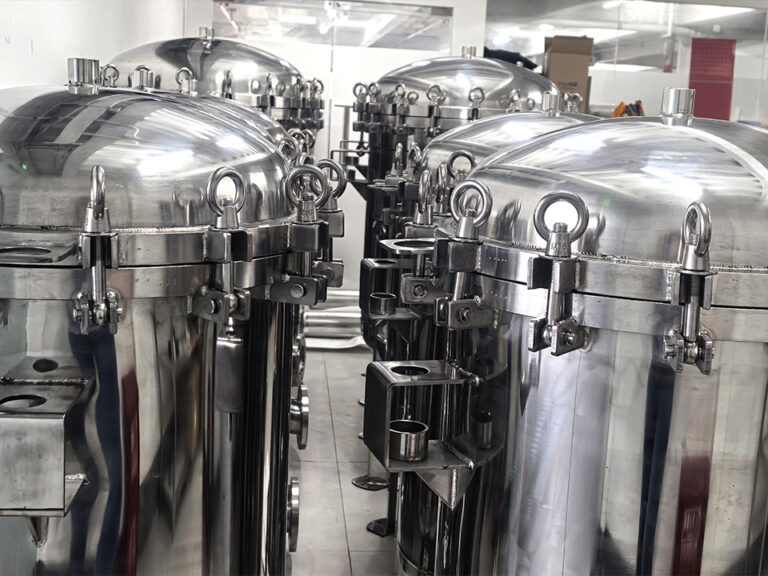
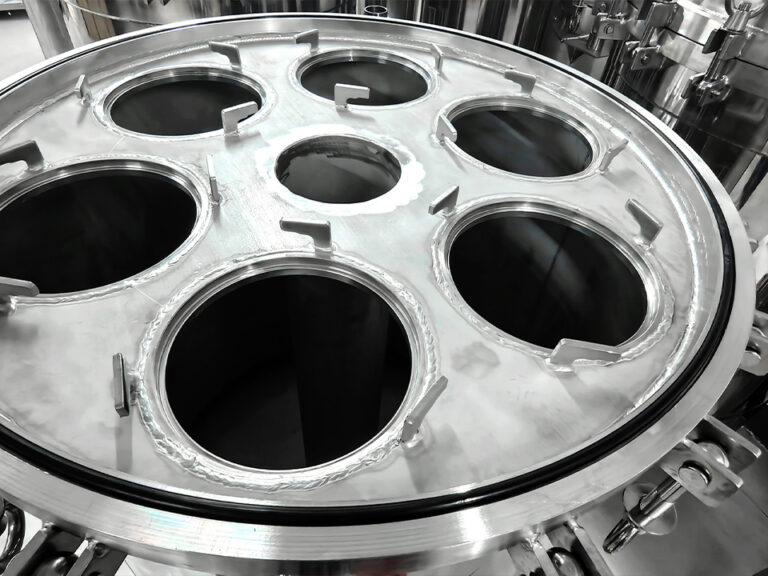
Guangzhou Lvyuan Water Purification Equipment Co., Ltd. ist ein 2009 gegründeter Hersteller von Industriefiltern, der Edelstahl-Filtergehäuse, Edelstahl-Sterilwassertanks, Filterelemente, Filterbeutel, Ultra-Polymer-Materialien und Sinterfilterprodukte entwickelt und herstellt. Käufer entscheiden sich für Lvyuan wegen des OEM/ODM-Supports, der ISO9001-Qualitätskontrolle und der Zertifizierungen in mehreren Ländern.
Guangzhou Lvyuan Water Purification Equipment Co, Ltd.
Mikron-Werte vor SWRO-Membranen in verschmutzten Küstenentnahmestellen
Diese Reaktion bleibt jedoch nur dann bestehen, wenn das vorgelagerte Verfahren gerade dabei ist, Algen, Schlamm, klare Exopolymerpartikel, Koagulierungsmittelrückstände und den Großteil der zurückgehaltenen Ladung zu entfernen, bevor das Wasser das letzte Sicherheitsfiltergehäuse erreicht.
Was nützt eine 1-µm-Filterpatrone, wenn eine Verunreinigung den Differenzdruck bereits vor dem nächsten Wechsel auf den Wechselgrenzwert ansteigen lässt?
Mir fällt auf, dass sich bei Entsalzungsprojekten immer wieder derselbe Spezifikationsfehler wiederholt: Eine Person behandelt den letzten Kartuschenfilter so, als wäre er das Ganze. SWRO-Vorbehandlung System. Das ist es nicht. Es ist die letzte Schutzbarriere zwischen einer unvollkommenen Vorbehandlungsanlage und einer kostspieligen Spiralwickelmembrananlage.
Das aktuelle FilmTec-Technikhandbuch definiert eine absolute Porengröße unter 10 µm als Mindestbarriere der Kartusche, empfiehlt 5 µm absolut für normale Lösungen und sieht eine absolute Filterung von 1–3 µm vor, wenn ein nachweisbares Risiko einer Verschmutzung durch kolloidales Siliziumdioxid oder Metallsilikate besteht. In denselben Leitlinien wird die Kartusche als Sicherheitsvorrichtung bezeichnet und in der Regel am Ende der Vorbehandlungssequenz eingesetzt.
Dieser Unterschied ist entscheidend. Eine Kartusche muss Verunreinigungen auffangen. Sie darf nicht langfristig als Auffangbecken für alles dienen, was die Vorfilter, die Flotation mit gelöster Luft, die Klärung, die Medienfilter oder die Ultrafiltration nicht beseitigen konnten.
Die einfache Lösung: Beginnen Sie bei 5 µm, danach zeigen Sie jede Art von Verschiebung in reduzierter Form an.
Bei einer offenen Küstenentnahmestelle mit einer standardmäßigen Vorbehandlung durch Meerwasser-Umkehrosmose betragen meine anfänglichen Standardanforderungen 5 µm absolute Endfilterpatrone, gestützt auf validierte Daten zur Partikelrückhaltung und nicht auf eine vage Nennangabe auf dem Etikett.
Weiterleitung zu 3 µm absolut wenn die Untersuchungsergebnisse trotz stabiler vorgelagerter Therapie anhaltend hohe Kolloidwerte, Aluminium- oder Eisenverunreinigungen oder silikatbedingte Ablagerungen zeigen. Verwenden Sie 1 µm absolut gerade dann, wenn die Aufnahmekapazität, die Kartuschenkapazität und die Wirtschaftlichkeit des Ersatzgeschäfts tatsächlich anhand der saisonal schlechtesten Wasserbedingungen bewertet wurden.
10 Mikrometer? Als Vorfilter oder kurzzeitige Barriere gegen Feststoffe mit hohem Feststoffanteil würde ich das durchaus akzeptieren. Als einzigen und letzten Schutz vor den SWRO-Druckbehältern an einem anfälligen offenen Einlauf würde ich das jedoch kaum jemals gutheißen.
Die schwierige Tatsache ist, dass eine strengere Einstellung nicht automatisch sicherer ist. Eine engere Einstellung verändert zwar die erfasste Partikelgrößenverteilung, kann aber ebenso zu einer schnellen Verschmutzung, einem höheren Pumpenbedarf, kürzeren Betriebszeiten und der Gefahr eines Bypasses führen, wenn Fahrer den Austausch hinauszögern oder die Dichtungen nicht ordnungsgemäß montiert sind.
Warum die Verschmutzung von Küstenentnahmestellen einer einfachen Mikron-Regel überlegen ist
Die Nahrungsressourcen in offenen Meeresgebieten sind unbeständig. Sturmabflüsse, Ausbaggerungen, Strömungen, saisonales Plankton, Quallenvorkommen, Algenblüten, Kohlenwasserstoffe, mikrobielle Aktivität und sich verändernde gelöste Stoffe können die Filterausbeute innerhalb von Stunden statt Monaten verändern.
Und die Mikron-Angaben geben im Allgemeinen Aufschluss über die Partikelrückhaltung. Sie entfernen jedoch nicht direkt verflüssigten natürlichen Kohlenstoff, assimilierbaren organischen Kohlenstoff, Salze, niedermolekulare Substanzen oder die Nährstoffe, die später das Wachstum des Biofilms fördern.
An dieser Stelle wird die Werbebroschüre unzuverlässig. Eine 1-µm-Kartusche mag zwar mehr sichtbare Feststoffe zurückhalten als eine 5-µm-Kartusche, doch können bedeutende Submikron-Kolloide und biologische Vorläuferstoffe dennoch hindurchgelangen. FilmTec berücksichtigt in der Praxis insbesondere, dass metallische Sulfide im Submikronbereich und kolloidaler Schwefel eine herkömmliche 5-µm-Kartusche passieren und sich in den RO-Zufuhrsystemen ansammeln können.
Die eigentliche Frage lautet also nicht einfach: “Welche Filterfeinheit ist vor den SWRO-Membranschichten erforderlich?”
Es ist Folgendes: Welches Abwasser durchläuft die bestehende Vorbehandlung, in welcher Menge, bei welcher saisonalen Belastung, und wie wirkt sich die vorgeschlagene Kartusche auf die Differenzbelastung und die Betriebskosten aus?
Der Mikronwert sagt nichts über die Filterleistung aus
Eine Kartusche mit der Aufschrift “5 Mikron” ist nicht ohne Weiteres mit einer anderen Kartusche vergleichbar, die genau dieselbe Angabe trägt.
Sie müssen wissen, ob es sich um einen Nenn- oder einen absoluten Wert handelt, welcher Testschmutzstoff verwendet wurde, wie hoch die Abscheideleistung bei der angegebenen Porengröße ist, wie hoch der Druckabfall im sauberen Zustand ist, wie das Filtermedium aufgebaut ist, wie die Dichtungskonstruktion aussieht, wie hoch die Kollapsfestigkeit ist und wie groß die Schmutzaufnahmekapazität ist. Ohne diese Informationen ist die Mikronzahl teils nur eine Kennzeichnung, teils eine Spekulation.
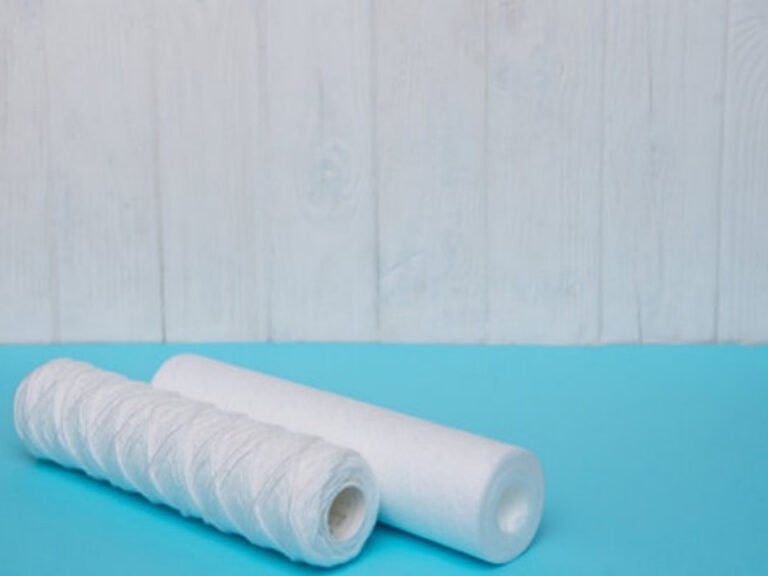
Tiefenfilter und Faltenfilter verhalten sich ebenfalls unterschiedlich. Eine Polypropylen-Tiefenfilterpatrone mit abgestufter Dichte filtert das Medium über die gesamte Filterdichte hinweg und kann eine größere Staublast aufnehmen. Ein Faltenfilter bietet in der Regel eine größere exponierte Oberfläche und ein schärferes Rückhalteprofil, doch klebrige Algen und extrazelluläre polymere Verbindungen können diese Oberfläche schnell verstopfen.
Bei Studien mit hohem Teilnehmeraufkommen, Hochdurchfluss-Patronen in den Ausführungen 1, 3 und 5 µm eine Reihe von Filterfeinheitsoptionen innerhalb eines einheitlichen Systems anbieten. Die bereitgestellten Filtermedien bestehen aus Polypropylen und Glasfaser und sind in Feinheitsgraden von 1 bis 70 µm erhältlich; die angegebene maximale Betriebstemperatur beträgt 80 °C. Diese Spezifikationen müssen noch im Hinblick auf die tatsächliche Salzwasserchemie, den Durchfluss pro Element und die validierte Rückhalteeffizienz überprüft werden.
Für kleinere Immobilien oder bei nachweislich nicht wiederverwendbarer Abwasserreinigung, Polypropylen-Kartuschen mit Porengrößen von 1 bis 100 µm ermöglichen eine Konfiguration von grob bis fein. Das veröffentlichte Angebot umfasst verschiedene Längen, DOE- und SOE-Anschlüsse, 222/226-Adapter sowie verschiedene Dichtungsmaterialien. Diese Vielseitigkeit ist zwar nützlich, doch die endgültige Entscheidung sollte sich nach der hydraulischen Belastung und der Kompatibilität richten – und nicht nach der Breite des Sortiments.
Vergleich von 1, 3, 5 und 10 µm vor den SWRO-Membranen
Der folgende Vergleich geht davon aus, dass jede Einstufung auf zuverlässigen Leistungsdaten basiert und dass die Kartuschen die richtige Größe haben. Der Vergleich einer “absoluten” Kartusche mit einem nicht näher definierten Nennprodukt stellt keinen gültigen Konstruktionsvergleich dar.
Kartuschen-Bewertung
Die am besten geeignete Rolle
Hauptvorteil
Einstellung für regelmäßiges Scheitern
Meine Analyse
1 µm absolut
Letzte Aufhellung nach stabiler UF, Reinigung mit Premium-Medien oder nach nachgewiesenen Problemen mit Feinkolloiden
Fängt einen größeren Anteil an groben Partikeln auf
Schnelle Verschmutzung während Algenblüten, bei Mitnahme von Flockungsmitteln oder bei hohem TSS-Gehalt
Erst nach einem Pilotversuch oder einem umfangreichen Nebenstromtest verwenden
3 µm absolut
Feine Endbarriere, an der Metallsilikate oder unnachgiebige Kolloide nachgewiesen werden
Effektivere Feinstaubbekämpfung ohne die volle Feinheit von 1 µm
Deutlich kürzere Durchläufe, wenn die vorgelagerte Erklärung unvorhersehbar ist
In der Regel steigen die allerbesten ab 5 µm
5 µm, ohne Aufschlag
Letzter Sicherheitsfilter gemäß Kriterium vor der SWRO
Ausgewogenes Verhältnis zwischen Schutz, Kapazität und Leistungsabfall
Kann Kolloide im Submikronbereich und verflüssigte Fouling-Vorläufer durchlassen
Der beste Ausgangspunkt
10 µm absolut
Grobfilter, erste Stufe eines zweistufigen Verfahrens oder stark verschmutzendes Aufgabematerial
Längere Lebensdauer und geringerer Druckabfall bei der Reinigung
Unzureichende Sicherheit durch das vorläufig ausgesetzte Produkt von Finer
In der Regel auch als einzige letzte Barriere geöffnet
0,5–2 µm starre oder gesinterte Filtermedien
Spezielle Aufbereitungsverfahren, Mehrzwecksysteme oder regulierte Industrieabfälle
Möglicherweise hohe mechanische Festigkeit und gute Reinigungsfähigkeit
Oberflächenverblendung und schwierige organische Reinigung bei Einsatz in unaufbereitetem Salzwasser
Nicht meine erste Wahl für unbehandelte Küstenvariationen
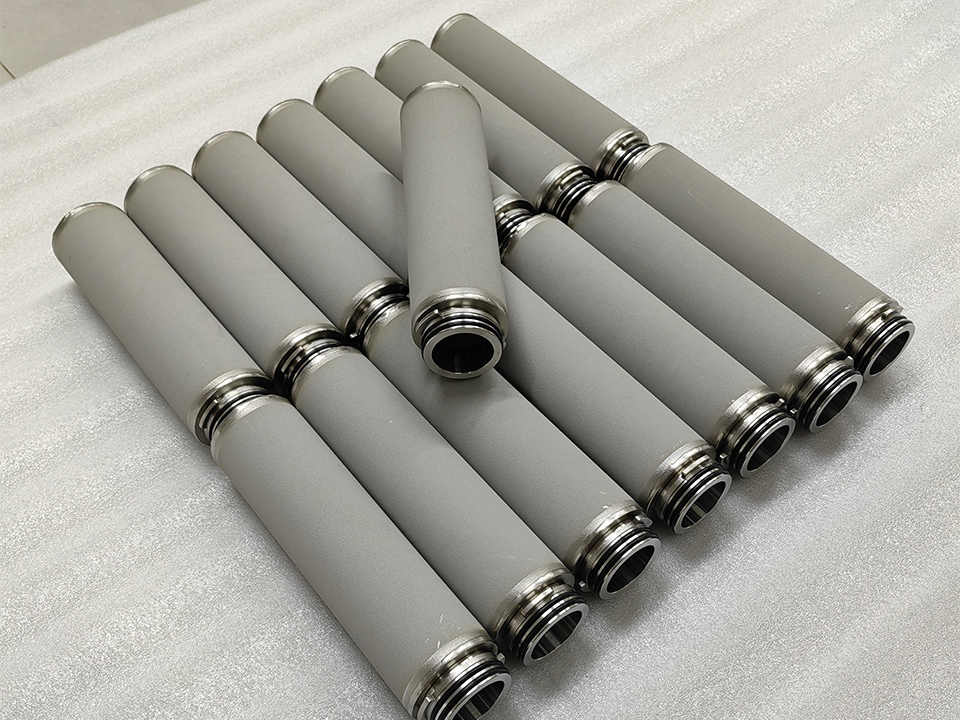
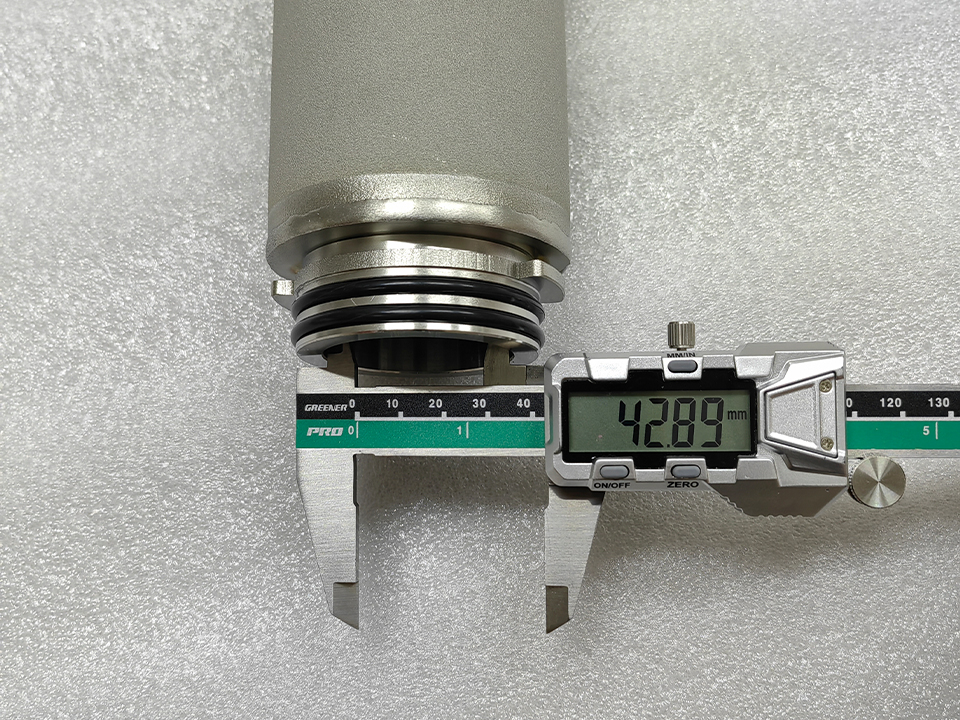
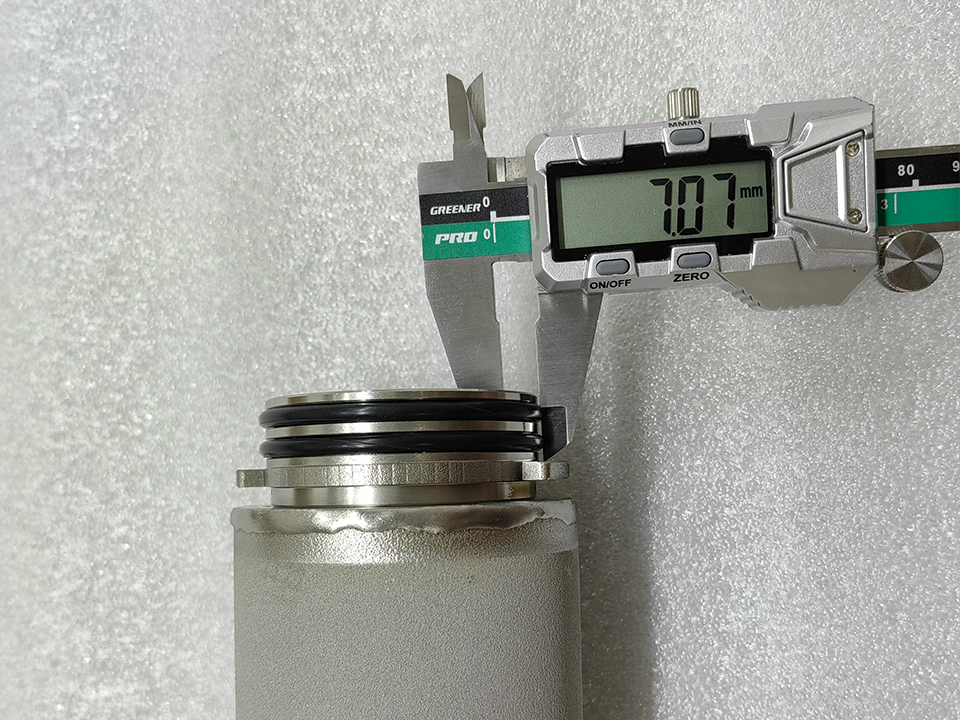
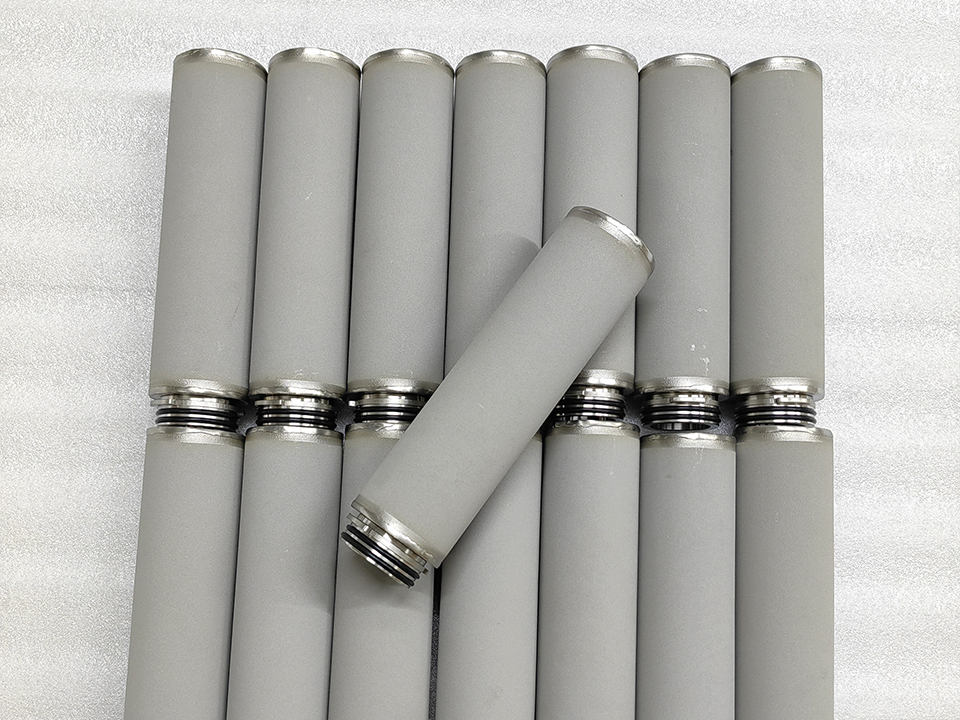
Wenn wiederverwendbare oder mechanisch langlebige Elemente bewertet werden, PE-Filterelemente mit Porengrößen von 0,5 bis 100 µm können speziellen Anforderungen an Nebenströme oder die Polierbehandlung entsprechen. Der Lieferant weist auf Druckdifferenzbeschränkungen von 6 bar bei 0–40 °C bis 4 bar bei 120 °C hin; solche Produkte sollten jedoch nicht in eine SWRO-Anlage eingebaut werden, ohne zuvor die Biofilmbeseitigung, die Verträglichkeit bei der chemischen Reinigung und die hydraulische Leistung im Salzwasser zu prüfen.
Die beste SWRO-Vorbehandlungsanlage wird vorgestellt – ganz ohne großes Aufsehen
In einer gut geführten SWRO-Anlage an der Küste wird von einem Filterelement nicht erwartet, dass es fünf Aufgaben erfüllt.
Ein traditioneller Plan mit offener Aufnahme kann Folgendes umfassen:
Eingangsuntersuchung → Voroxidation (sofern erforderlich) → Koagulation/Flockung → Schutz durch Flotation mit gelöster Luft oder Klärung → Zweistofffilterung → Endreinigung mit Filterpatronen → Entchlorung → SWRO
Ein membranbasierter Ansatz könnte Folgendes nutzen:
Eingangsüberprüfung → Gerinnung nach Bedarf → UF oder MF → 5-µm-Schutzpatrone → Entchlorung → SWRO
Die Wahl der geeigneten Produktreihe hängt von den in der Umgebung vorkommenden Algen, der Trübung, der Ölbelastung, der Temperatur, den gelösten organischen Stoffen und den Auswirkungen chemischer Verschleppungen ab. Bei Oberflächenwasser ist in der Regel ein komplexerer Plan erforderlich als bei Brunnenwasser mit geringer Verschmutzung, da sich die mikrobiologischen und kolloidalen Bedingungen saisonal ändern.
Meine Sichtweise ist ganz klar: Wenn eine Anlage an der Küste 1-µm-Patronen wie Papierhandtücher verschlingt, lautet die Antwort so gut wie nie “Kauft noch mehr Patronen”. Die Lösung besteht in der Regel darin, die Koagulation, die Flotation, die Filterreifung, den Zeitpunkt der Rückspülung, den Zustand des Filtermediums, die UF-Stabilität oder die Verbrauchsüberwachung zu überprüfen.
Die Patrone liefert Informationen zum Tatort. Sie hat die Straftat selbst nicht begangen.
Welche fundierten wissenschaftlichen Erkenntnisse gibt es zu Patronenfiltern und Verschmutzungen?
Ein Erfahrungsbericht aus dem Jahr 2024 in Entsalzung Sie analysierten umfassende Daten aus Membranautopsien und stellten fest, dass Umkehrosmoseanlagen gleichzeitig Partikel-, kolloidale, anorganische, natürliche und organische Verschmutzungen bewältigen müssen. Die Autoren berichteten zudem, dass das tatsächliche Speisewasser häufig den Einschränkungen der grundlegenden Herstellergrenzwerte unterliegt, was für einen standortspezifischen Betriebsbereich spricht, anstatt sich auf einen Wert von einem Mikrometer zu verlassen.
Ein Übersichtsbericht aus dem Jahr 2023 ergab, dass die Umkehrosmose mehr als 65% der weltweiten Entsalzungskapazität ausmachte. Darin wurde zudem ein Zusammenhang zwischen Verschmutzungen und verminderter Dichtheit der Anlage, einer verkürzten Lebensdauer der Membranen, erhöhtem Betriebsdruck sowie einer noch häufigeren chemischen Reinigung hergestellt – genau aus diesem Grund lässt sich die endgültige Wahl der Kartusche nicht von den Betriebskosten über die gesamte Lebensdauer trennen.
Der aufschlussreichste Fall ist eine SWRO-Anlage am Roten Meer mit einer Kapazität von 40.000 m FOUR/Tag, die etwa 100 Kilometer nördlich von Dschidda liegt. Bei der nachträglichen Untersuchung der Membranen wurden Sedimente aus dem Einlaufbereich an der Küste in den Kartuschenfiltern und RO-Modulen festgestellt; unter den anorganischen Ablagerungen wurden leichtes Aluminium, Eisen und Magnesiumsilikat identifiziert. Noch beunruhigender war, dass die Gesamtmenge an suspendierten Feststoffen und der ATP-Gehalt nach der Kartuschenstufe anstiegen, was auf einen ungeeigneten Zeitpunkt für den Kartuschenwechsel hindeutete und nicht allein auf eine unzureichende Porengröße der Membranschicht zurückzuführen war.
Lies das noch einmal.
Der Zeitpunkt des Austauschs war so entscheidend, dass die nominelle Schutzstufe zunehmend mit einer höheren Wahrscheinlichkeit einer Verschmutzung im nachgelagerten Bereich in Verbindung gebracht wurde. Aus diesem Grund stelle ich Spezifikationen in Frage, die zwar “5 µm” angeben, jedoch Differenzdruck-Alarmsysteme, maximale Betriebsdauer, mikrobiologische Kontrolle, Sauberkeit der Anlagen und Austauschverfahren außer Acht lassen.
A 2024 Chemosphere Im Rahmen der Untersuchung wurde außerdem die SWRO-Technologie unter Einsatz von Kartuschenfiltration bei einem Algenblütenproblem untersucht und Salzhypochlorit (NaOCl) mit Chlordioxid (ClO₂) verglichen. Beide Behandlungsmethoden inaktivierten die Algen und reduzierten die extrazellulären polymeren Verbindungen, wobei ClO₂ unter den untersuchten Bedingungen deutlich bessere Ergebnisse erzielte. Dieses Ergebnis unterstützt eine proaktive Planung der Maßnahmen gegen Algenblüten, macht die Oxidation jedoch nicht zu einem Ersatz für die ordnungsgemäße Entfernung von Feststoffen und die Überwachung der Filterpatronen.
SDI15 und die Differenzspannung sollten die Wahl bestimmen
Das Micron-Ranking muss als eine Kontrollvariable betrachtet werden. SDI15, Trübung, Partikel, ATP, Gesamtgehalt an organischem Kohlenstoff, Filterdruckdifferenz und stabilisierte RO-Leistung liefern die betrieblichen Nachweise.
In den FilmTec-Leitlinien wird SDI15 von 5 als allgemeiner Richtwert genannt, wobei gleichzeitig empfohlen wird, SDI15, unten aufgeführt unter 3 um die Verschmutzung zu verringern. Weiter heißt es, dass mit einer richtig ausgelegten Medienfiltration in der Regel ein SDI-Wert von unter 15 erreicht werden kann, während UF und Crossflow-MF eine noch stärkere Verringerung bewirken können.
Für den Verzehr von Meeresfrüchten aus Küstengewässern mit hohem Verschmutzungsgrad würde ich mindestens folgende Werte im Auge behalten:
SDI15 nach der Hauptvorbehandlung und nach dem letzten Filterpatronengehäuse
Trübung in NTU, einschließlich kurzzeitiger Spitzenwerte
Spannungen am Ein- und Ausgang der Kartusche
Täglicher Anstieg des Differenzdrucks in bar
Laufzeit der Patrone und Austauschhäufigkeit
Die Fragmentmengen werden nach Dimensionsbändern aufgeschlüsselt, sofern diese Daten verfügbar sind
ATP oder ein anderer Indikator für die organische Aktivität
TOC, gelöster natürlicher Kohlenstoff oder LC-OCD bei anhaltender organischer Verschmutzung
Normalisierte Verringerung der SWRO-Belastung, Permeatdurchfluss und Salzdurchgang
Ein stabiler SDI15-Wert bedeutet nicht, dass die Gefahr von Biofouling gering ist. Ein akzeptabler Trübungswert bedeutet nicht, dass klare Exopolymer-Partikel unter Kontrolle sind. Und ein verringerter Differenzdruck am Filterelement kann auf sauberes Wasser hindeuten – oder auf ein defektes Bauteil, eine undichte Dichtung oder ein fehlendes Filterelement.
Zahlen brauchen einen Kontext.
Genau so würde ich den besten Mikronfilter vor der Umkehrosmose (SWRO) überprüfen
Man sollte nicht die gesamte Anlage von 5 auf 1 µm umstellen, nur weil bei einer postmortalen Untersuchung einer Membranschicht Schlamm festgestellt wurde.
Führen Sie eine Nebenstromanalyse unter Verwendung identischer Gehäuse oder einer normierten Filterfläche durch. Vergleichen Sie Produkte mit 5, 3 und 1 µm bei exakt derselben Durchflussmenge, wobei Sie echtes Zulaufwasser unter typischen Bedingungen, bei Unwettern und während der Zeit mit dem höchsten Risiko verwenden.
Aufzeichnung:
Differenzdruck bereinigen.
Zeit bis zum Erreichen der für die Anlage zugelassenen Wechselbelastung.
Verarbeitete Menge pro Kartusche.
SDI15 und Fragmente spielen sowohl stromaufwärts als auch stromabwärts eine Rolle.
Bewertung der Massenzunahme der Kartusche oder der Feststoffrückhaltung.
Anzeichen für ATP und organische Ablagerungen.
Gesamtkosten pro Kartusche pro 1.000 m behandelter Strecke.
Jede Art von messbarer Veränderung der Abnahme der Spannung im stabilisierten SWRO.
Ich würde auf jeden Fall den niedrigsten Mikronwert wählen, der die Qualität des nachgelagerten Wassers verbessert. ohne dass sich ein unregelmäßiger Austauschzyklus entwickelt. Das könnten 3 µm sein. Es könnten aber auch 5 µm bleiben. In einer gut funktionierenden UF-Anlage wird die Schutzkartusche möglicherweise nur geringfügig belastet und dient in erster Linie als Absicherung für den Fall von Stabilitätsproblemen.
Das ist gutes Design. Schlicht, durchdacht und fundiert.
Häufig gestellte Fragen
Welche Mikron-Filterfeinheit ist vor den SWRO-Membranen erforderlich?
Eine 5-µm-Kartusche ist die übliche letzte Sicherheitsbarriere vor den SWRO-Membranschichten, während 1–3 µm für nachgewiesene Gefahren durch kolloidales Siliziumdioxid oder Metallsilikate vorgesehen sind und 10 µm in der Regel nur einen groben Schutz darstellen, nicht jedoch eine vollständige Vorbehandlungslösung für eine Entnahmestelle im offenen Meer.
Die endgültige Entscheidung sollte unter Berücksichtigung des saisonalen SDI15-Werts, der Partikelzirkulation, der Druckstoßschwankungen, der Kosten für Filterpatronen sowie der Ergebnisse der Membranautopsie getroffen werden.
Ist eine 1-Mikron-Kartusche für die Meerwasser-Umkehrosmose (SWRO) deutlich besser als eine 5-Mikron-Kartusche?
Eine 1-µm-Kartusche ist für die SWRO-Vorbehandlung nicht unbedingt die bessere Wahl, da ihre kleineren Poren zwar wesentlich feinere Partikel zurückhalten können, sich jedoch zudem schnell verstopfen, den Differenzdruck erhöhen, die Betriebszeit verkürzen und ein Problem bei der Durchflussregelung zu einem kostspieligen Problem beim Kartuschenaustausch machen können.
Dies ist vor allem nach einer stabilen UF- oder einer konventionellen Hochleistungsvorbehandlung vertretbar oder in Fällen, in denen logische Anhaltspunkte darauf hindeuten, dass feine Kolloide vorhanden sind, die durch ein 5-µm-Sieb nicht mehr aufgehalten werden können.
Inwiefern wirkt sich SDI konkret auf die Auswahl von Patronenfiltern aus?
SDI15 ist ein Maß für die Verstopfungsrate, das zur Abschätzung der Neigung zu partikulären und kolloidalen Ablagerungen verwendet wird. Werte unter 3 werden in der Regel für Umkehrosmoseverfahren mit geringer Verschmutzungsneigung bevorzugt, während Werte nahe 5 einen häufigeren Membranwechsel, eine engmaschigere Überwachung und eine gründlichere Überprüfung des vorgelagerten Vorbehandlungsverfahrens erfordern.
SDI sagt nicht aus, um welche Art von Verschmutzung es sich handelt, und kann auch nicht jede Art von organischer und biologischer Verschmutzung vorhersagen; daher muss es mit Trübung, ATP, Feststoffen und der normierten Anlageneffizienz kombiniert werden.
Was ist die beste Vorbehandlung während einer Algenblüte an der Küste?
Die beste Vorbehandlung bei Algenblüten ist ein systematisches Verfahren, bei dem Zellen und klebriges extrazelluläres Material bereits vor der letzten Kartusche entfernt werden. Dabei werden in der Regel kontrollierte Oxidation oder Koagulation mit Flotation, Information, Medienfiltration oder UF kombiniert, anstatt sich allein auf einen feinmaschigeren Einwegfilter zu verlassen.
Eine Studie aus dem Jahr 2024 ergab, dass ClO₂ unter den untersuchten Bedingungen – Kartuschenfiltration und Algenblüte – besser abschnitt als NaOCl; bei der Wahl des Chemikaliens sollte jedoch weiterhin die Membrankompatibilität, Nebenprodukte, die Dechlorierung sowie die standortspezifische Biologie berücksichtigt werden.
Legen Sie den Filter anhand von Verbrauchsdaten fest, nicht anhand der Praxis
Für viele leckere Gerichte aus der Küstenregion fangen Sie am besten mit 5 µm absolut, SDI15- und Differenzdruck-Referenzwerte festlegen und 3 µm testen, bevor man den kostspieligen Sprung auf 1 µm wagt.
Reichen Sie bei der Anfrage nach einem Filterpatronenvorschlag bitte die saisonale Verbrauchsanalyse, den Auslegungsdurchfluss, die bestehende Vorbehandlungssequenz, die Abmessungen des Patronengehäuses sowie die bisherige Austauschhistorie ein. Ein aussagekräftiges Angebot sollte das Filtermedium, die absolute oder nominale Leistungsfähigkeit, den Durchfluss pro Komponente, den zulässigen Druckabfall, das Dichtungsmaterial und den voraussichtlichen Betriebsbereich definieren – und nicht nur einen Mikronwert angeben.