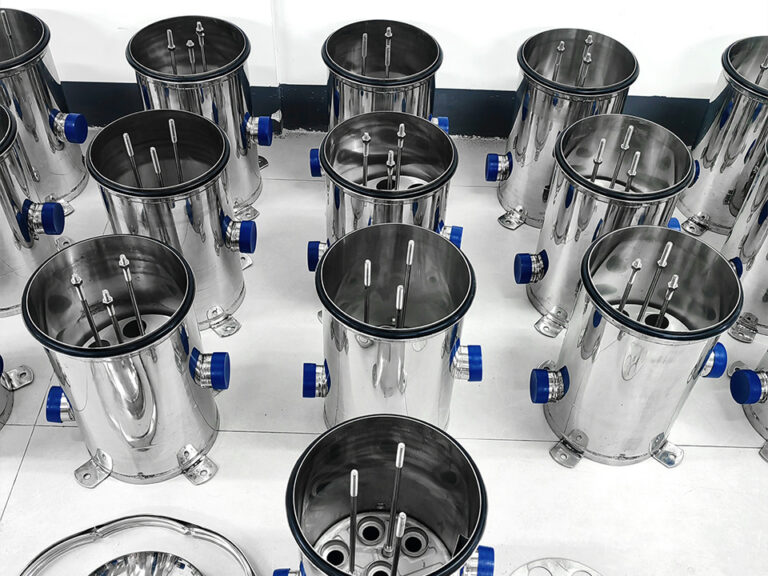
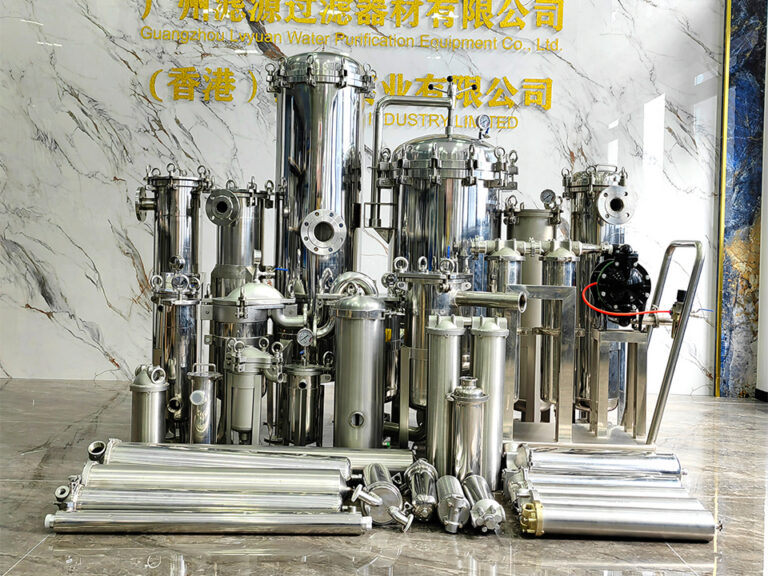
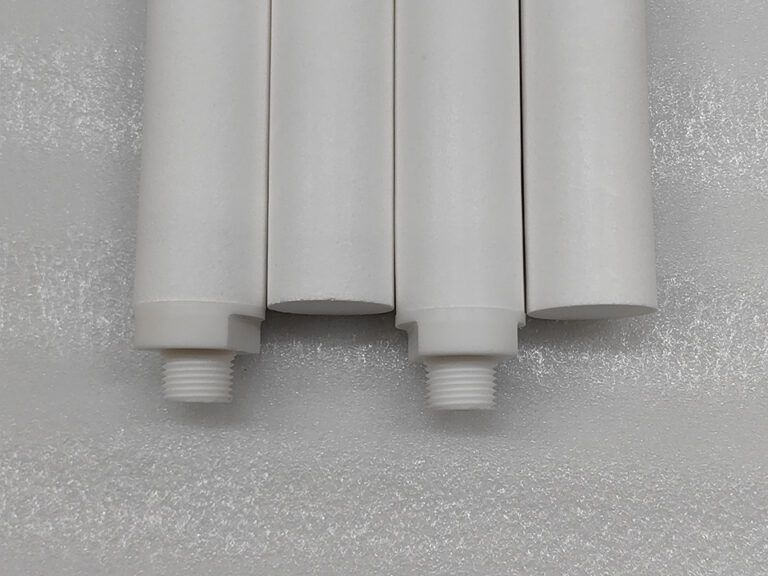
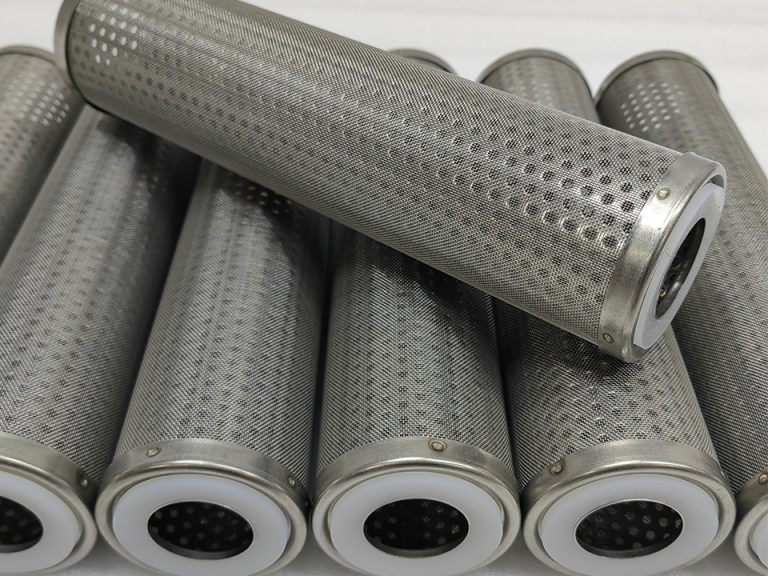
Guangzhou Lvyuan Water Purification Equipment Co., Ltd. ist ein 2009 gegründeter Hersteller von Industriefiltern, der Edelstahl-Filtergehäuse, Edelstahl-Sterilwassertanks, Filterelemente, Filterbeutel, Ultra-Polymer-Materialien und Sinterfilterprodukte entwickelt und herstellt. Käufer entscheiden sich für Lvyuan wegen des OEM/ODM-Supports, der ISO9001-Qualitätskontrolle und der Zertifizierungen in mehreren Ländern.
Guangzhou Lvyuan Water Purification Equipment Co, Ltd.
Gesinterte Metallfilter für den Einsatz in chemischen Hochtemperaturanwendungen
Wenn in einem Datenblatt der Begriff “Hitze” auftaucht, stelle ich mir Fragen, die niemand beantworten möchte: Dauerbelastung oder Spitzenbelastung, feuchte oder trockene Hitze, oxidierende oder reduzierende Atmosphäre, Chloridbelastung, Druckstöße – und ob der Filter dafür ausgelegt ist, Reinigungsvorgänge zu überstehen oder lediglich die Auftragsdauer durchzuhalten.
Warum so tun, als würden diese Aufgaben zusammenfallen?
Gesinterte Metallfilter stehen im unschönen Mittelpunkt chemischer Lösungen. Sie sind nicht extravagant. Sie bieten den Beschaffungsabteilungen nicht den attraktiven Stückpreis von Polymerpatronen. Wenn die Prozessflüssigkeit jedoch heiß, aggressiv, klebrig, katalytisch, abrasiv oder all das zugleich ist, kann ein poröser Stahlfilter den Unterschied ausmachen zwischen einem planmäßigen Reinigungszyklus und einer Stilllegung, die niemand vorgesehen hat.
Im Folgenden möchte ich meine ehrliche Meinung äußern: Die meisten Filterausfälle zeichnen sich bereits Monate vor ihrem Auftreten ab. In der Zeichnung wird die Reinigungstechnik außer Acht gelassen. In der Ausschreibung heißt es “Edelstahl 316”, als wäre 316L ein Heiliger. Die Mikron-Einstufung wird von einem Mitarbeiter eines Forschungslabors festgelegt, der sich niemals um 2 Uhr morgens damit beschäftigen muss, wie der Differenzdruck langsam ansteigt. Danach gibt die Anlage der Filterpatrone die Schuld.
Unterhaltsame Belletristik.
Kaufabsicht: Der Kunde hat die Phase der Verkaufsbroschüre in der Regel bereits hinter sich
Wer nach Sinterstahlfiltern für den Einsatz in Hochtemperatur-Chemieanlagen sucht, surft nicht einfach nur so im Internet. Die Absicht ist in der Regel geschäftlicher Natur und geht mit einer technischen Prüfung einher. Möglicherweise vergleicht er Anbieter, prüft, ob Filterpatronen aus Sintermetall Polymerfiltermedien ersetzen können, oder versucht festzustellen, ob die derzeitigen Filter zur chemischen Reinigung die Schwachstelle in einem Heißlösungs-Kreislauf darstellen.
Das ist für die Suchmaschinenoptimierung (SEO) von Bedeutung, da diese Seite nicht wie eine Magazin-Webseite wirken darf. Sie sollte die Kaufzweifel ausräumen: Hält das Produkt in Bezug auf Porengröße, chemische Zusammensetzung, Belastbarkeit und Reinigungszyklen lange genug stand, um die Kosten zu rechtfertigen?
Der Schlüsselbegriff lautet „Sintermetallfilter“, doch die Übersetzung bezieht sich weiterhin auf die ergänzenden Begriffe: Hochtemperatur-Stahlfilter, poröse Metallfilter, Sinterfilterelemente aus Edelstahl, verschleißfeste Filter und ideale Sintermetallfilter für den Einsatz in der chemischen Industrie.
Warum poröse Metallfilter dort bestehen, wo weiche Filtermedien versagen
Gesinterte Metallfilter werden hergestellt, indem Metallpulver oder -fasern – in der Regel unter Einwirkung von Wärme und Druck – zu einem festen, durchlässigen Gerüst verbunden werden, sodass das resultierende Filtermedium über eine gleichmäßige Porenstruktur, mechanische Festigkeit und eine reproduzierbare Filterfeinheit verfügt.
Das klingt übersichtlich. In der Fabrik sieht die Sache chaotischer aus.
Eine Polymerkartusche kann sich hervorragend für die Filterung von sauberem Wasser, geeigneten Lösungsmittel-Lösungen oder für Filteranwendungen bei moderaten Temperaturen eignen. Ich würde sie nicht unterschätzen. Eine gut ausgewählte Faltenfilterpatrone aus PP, PES, PTFE oder PVDF ist häufig die intelligentere und kostengünstigere Option, solange die chemischen Bedingungen und die Temperatur innerhalb des zulässigen Bereichs bleiben.
Bei 180 °C, 260 °C oder während einer intensiven Dampfreinigung sieht die Sache jedoch ganz anders aus. Polymerkrieche, Quellung, Bindemittelwanderung, Konditionierung der Endkappen, Angriffe auf Dichtungen und Zusammenbruch unter Druckstößen sind keine theoretischen Probleme. Genau so wird aus einem “preisgünstigen” Bauteil ein Wartungsfall.
Metall verhält sich auf unterschiedliche Weise. Ein Filterelement aus gesintertem Edelstahl schmilzt auch bei Einsatz in heißen Lösungsmitteln nicht. Es gibt keine Fasern ab, wie dies bei manchen Tiefenfiltermaterialien der Fall ist. Es hält Rückspülung, Rückblasung, Ultraschallreinigung und chemischem Einweichen stand, sofern die Werkstoffzusammensetzung auf die jeweilige Lösung abgestimmt ist.
Kann es trotzdem hinter den Erwartungen zurückbleiben? Auf jeden Fall.
Die harte Wahrheit: Die Temperatur ist so gut wie nie der einzige Feind
Die Leute sind ganz versessen auf den angegebenen Temperaturwert, weil er sich so einfach ausdrucken lässt. 400 °C klingen beeindruckend. 600 °C klingen sogar noch besser. In der Chemie lautet die entscheidende Frage jedoch meist: Was bewirkt die Flüssigkeit bei dieser Temperatur mit dem Metall?
Warmes NaOH ist keine warme Essigsäure. HCl-Dampf ist kein heißer Stickstoff. Feuchte Chloride sind feuchte Kohlenwasserstoffe. Schwefelverbindungen, Oxidationsmittel, Amine, natürliche Säuren und Halogenide verändern die Korrosionsberechnungen schlagartig. Kommen dann noch Belastungszyklen und feine Feststoffe hinzu, kaufen Sie keinen Filter mehr. Sie erwerben ein Verschleißexperiment mit einer Rechnung dazu.
Edelstahl 316L wird aus guten Gründen bevorzugt: Schweißbarkeit, breite Verfügbarkeit, Reinigungsfreundlichkeit und angemessene Beständigkeit in zahlreichen flüssigen und organischen Anwendungen. Allerdings ist 316L kein Wundermittel. Chloridinduzierte Spannungs- und Korrosionsrisse, Passung, Lochfraß und Sensibilisierung im Bereich mangelhafter Schweißnähte können eine wunderschöne Patrone lächerlich aussehen lassen.
Bei heißen Säuren, chloridreichen Strömen oder aggressiven Lösungsmittelsystemen ziehe ich es vor, wenn der Käufer sich nach Hastelloy C-276, Inconel 600/625, Monel, Titan oder Duplex-Edelstahl erkundigt, anstatt so zu tun, als würde eine einzige Edelstahllegierung für alle chemischen Anwendungen geeignet sein. Schon diese Anfrage allein unterscheidet einen seriösen Anbieter von einem Wiederverkäufer, der nur eine PDF-Datei vorweisen kann.
Was die Sicherheitsdaten für 2023–2024 den Käufern von Filtern verdeutlichen müssen
In der öffentlichen Diskussion wird immer wieder genau derselbe heikle Punkt angeführt: Chemiewerke werden nicht allein aufgrund spezifischer Mängel bestraft. Sie werden aufgrund allgemeiner Schnittstellen, Wartungslücken, Temperaturregelung, gefährlicher Gase und negativer Annahmen bestraft.
Laut dem “Toxic Launch Stock”-Bericht aus dem Jahr 2023 entsorgten US-amerikanische Einrichtungen fast 600 im TRI gelistete Chemikalien als Abfall, wobei eine kleine Gruppe von Chemikalien mit hohem Aufkommen einen enormen Anteil an diesem Abfallstrom ausmachte. Erklärung für Laien: „Chemiedienstleistungen“ sind kein einheitlicher Markt. Es handelt sich um zahlreiche chemische Stoffe mit unterschiedlichem Dampfdruck, Korrosionsverhalten, Vergiftungsrisiko, Partikelgrößenverteilung und Auswirkungen auf die Abfallentsorgung.
Der Schwefelwasserstoffaustritt am 10. Oktober 2024 in der Raffinerie in Deer Park war kein Fall von „gesinterten Filtern“, und ich werde auch nicht so tun, als wäre es einer gewesen. Doch 13,5 Chargen H₂S, zwei Todesfälle unter den Mitarbeitern und zahlreiche medizinische Untersuchungen müssen jeden Instandhaltungsingenieur bei jeder Art von Strategie zum Öffnen von Leitungen, zur Reinigung, zum Entfernen von Blindverschlüssen oder zum Filterwechsel, die mit gefährlichen Arbeiten verbunden ist, zur Vorsicht mahnen.
Und das Dokument der OSHA zur Festlegung von Hitzeschutzvorschriften für 2024 macht deutlich, dass “Heißarbeiten” nicht nur ein metallurgisches Problem sind. Es geht um die Gefährdung der Arbeitnehmer, um persönliche Schutzausrüstung, um Sperrbereiche, um Verbrennungsrisiken, um heiße Gehäuse, um Dampf, um umständliche Austauscharbeiten und um die nur langsam voranschreitende Normung von schlechten Zugangsbedingungen.
Das ist meine Überzeugung: Die allerbesten Sintermetallfilter für den Umgang mit Chemikalien sind nicht einfach diejenigen mit der besten Mikron-Einstufung. Es sind diejenigen, die direkt in ein System integriert sind, das den Kontakt des Menschen mit heißen, gefährlichen oder instabilen Prozessstoffen reduziert.
Wo sich Filterpatronen aus Sinterstahl bewähren
Verwenden Sie Filterpatronen aus Sinterstahl, wenn das Verfahren dazu führt, dass Einwegfilter nur auf dem Papier kostengünstig erscheinen.
Zu den vielversprechenden Anwendungsbereichen zählen die Katalysatorrückgewinnung, die Polymer-Schmelzfiltration, die Warmlösungsmittelreinigung, die Aminbehandlung, die Reinigung aggressiver Öle, die Hochtemperatur-Gasfiltration, die Partikelabscheidung, die Abscheidung von Aktivkohle-Feinpartikeln, korrosionsanfällige Flüssigkeitskreisläufe sowie Anwendungen, bei denen die abgeschiedenen Feststoffe durch Rückspülung entfernt werden können, anstatt die gesamte Komponente zu entsorgen.
Man sollte 0,22 Mikrometer jedoch nicht übermäßig romantisieren. Gute Ergebnisse lassen sich damit erzielen, weil sie präzise erscheinen. In verschmutzten Betriebsumgebungen können sie zudem schnell verstopfen, die Pumpenlast in die Höhe treiben und jede Schwachstelle im vorgelagerten System belasten. Ich würde eher eine mehrstufige Filtration bevorzugen: zunächst einen Beutel, einen Filter oder einen robusten Schutzfilter, dann das Sinterelement, wo es die anspruchsvolle Arbeit leisten kann.
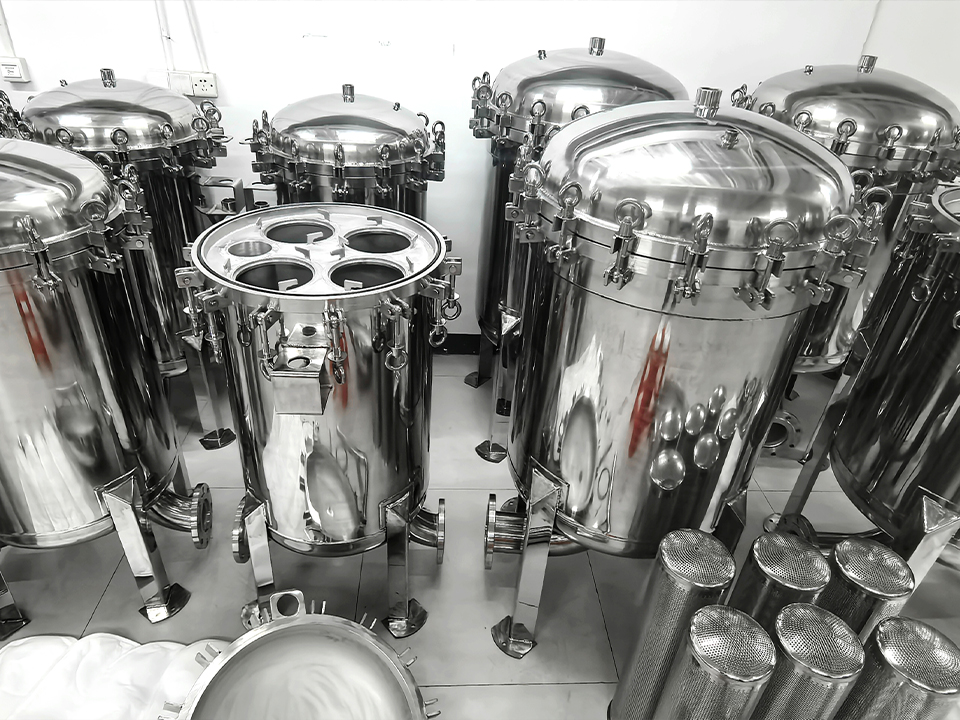
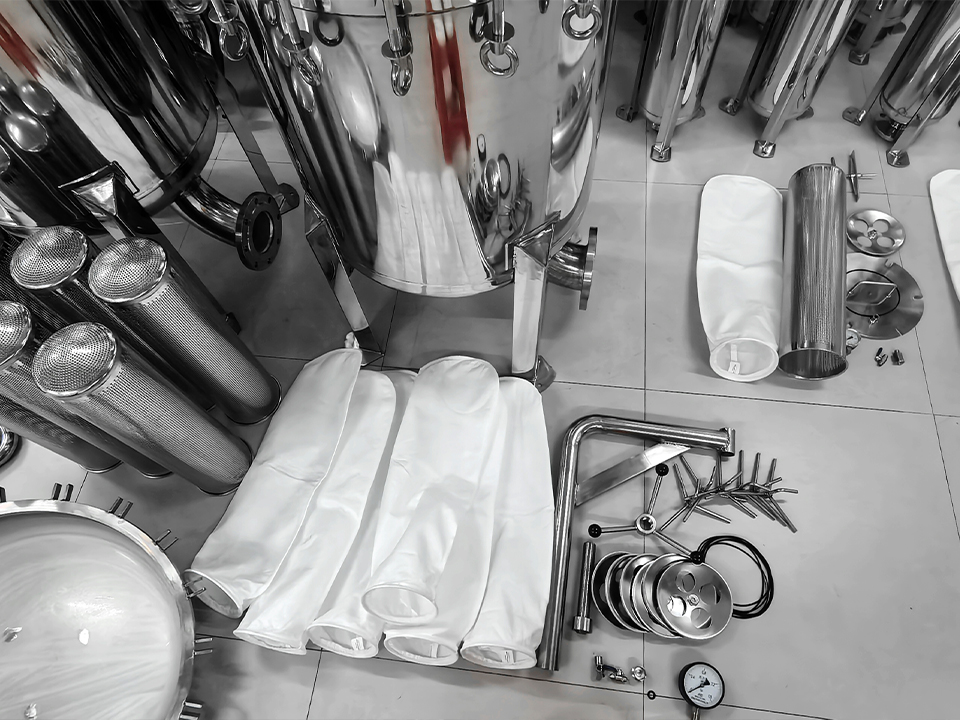
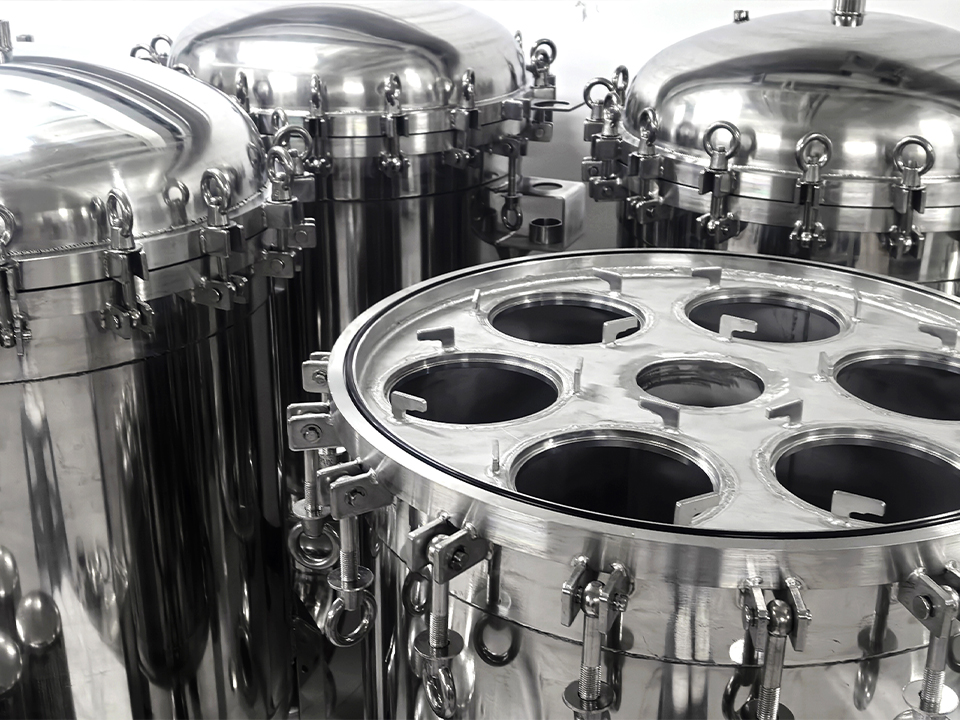
Das ist der Punkt, an dem ein Einzelnes Beutelfiltergehäuse aus Edelstahl 316 Das macht im vorgelagerten Bereich Sinn. Der Beutel soll den groben Abfall auffangen. Der Sinterbereich soll dann die Feinanteile herausfiltern. Einfach? Ja. Wird das regelmäßig übersehen? Auch ja.
In welchen Fällen ich keine Sintermetallfilter einsetzen würde
Ich würde nicht extra „Sinterstahl“ angeben, nur weil er im Handel erhältlich ist.
Wenn die Flüssigkeit sauber, kühl und nicht aggressiv ist und die Einwegkartuschen monatelang halten, ist Edelstahl möglicherweise überdimensioniert. Sind die Feststoffe gelartig und dringen sie durch die Poren, könnte das Reinigungsergebnis zu wünschen übrig lassen. Wenn die Chemikalien den Edelstahl 316L angreifen, das Budget aber eine hochwertigere Legierung nicht zulässt, erweist sich Edelstahl als falsche Sparmaßnahme. Und wenn niemand über ein bewährtes Reinigungsverfahren verfügt, ist ein wiederverwendbares Element nur theoretisch wiederverwendbar.
Für Anwendungen mit Wasser mit niedrigerer Temperatur, als Vorbehandlung vor der Umkehrosmose und in Versorgungssystemen mit hohem Durchfluss könnten Polymerkartuschen mit hoher Kapazität eine deutlich bessere Lösung darstellen. In solchen Fällen, Hochdurchfluss-Filterpatronen für industrielle Anlagen kann wirtschaftlich noch sinnvoller sein als der Einbau von Stahlelementen, die zwar die Kosten erhöhen, aber keine angemessene Gefahrenminderung bewirken.
Genau dieselbe Argumentation gilt auch für die Wasseraufbereitung. Wenn das eigentliche Problem in gelösten Feststoffen, der Festigkeit oder der Membransicherheit liegt, dann gewerbliche industrielle Umkehrosmoseanlage Das sollte in der Diskussion berücksichtigt werden, bevor irgendjemand anfängt, einem Mikron-Ranking zu huldigen.
Vergleichstabelle: Chemische Filter bei Wärmeeinwirkung
Filteroption
Perfekte Passform
Heizgewohnheiten
Chemikalienbeständigkeit
Die Fakten auf den Tisch legen
Gefahr eines Schlüsselausfalls
Sinterteil aus 316L-Edelstahl
Heiße Öle, Lösungsmittel, viele chemische Flüssigkeiten, dampfgereinigte Anlagen
Je nach Umgebung in vielen Hochtemperaturlösungen fest
Hervorragende Grundbeständigkeit, in bestimmten chlorid- und säurehaltigen Umgebungen jedoch gering
Lösung mit sehr heißem Gas oder zerstörerischem Gas
Außergewöhnliche Hitzetoleranz
Stark in bewusst gewählten, aggressiven Umgebungen
Lässt sich aufräumen, wenn auch nur schwach
Thermoschock, Rissbildung, Probleme mit der Dichtung
Die Fragen zum Datenblatt, die ich vor dem Kauf auf jeden Fall stellen würde
Angaben zu Dauertemperatur, Höchsttemperatur und direkter Einwirkdauer sind erforderlich. Die Angabe “für bis zu 400 °C ausgelegt” ohne Angaben zu Atmosphäre, Belastung und chemischen Einflüssen ist reine Marketingrhetorik.
Verlangen Sie die Rückverfolgbarkeit der Legierung. 316L sollte auch wirklich 316L bedeuten und nicht nur “so etwas wie rostfrei”. Für kontrollierte Anwendungen oder Einsätze mit hoher Haftungsgefahr sollten Sie Produktzertifikate einholen.
Bitte um eine Betrachtung anhand der Porengröße. „Small“, „outright“, „Bubble Factor“, „Mean Circulation Pore“ und „Efficiency at a bit dimension“ sind nicht dasselbe.
Erkundigen Sie sich nach den Grenzwerten für den Differenzdruck. Ein Filter, der zwar den chemischen Einflüssen standhält, aber bei einem verstopften Auslass zusammenbricht, ist kein Filter. Er ist nur Schrott auf Abruf.
Informationen zur Reinigungsfähigkeit einholen. Der Rückspüldruck, die Wahl des Lösungsmittels, die Ultraschalldauer, die Temperatur im Dampfzyklus, die Grenzwerte für das Einweichen in Laugen oder Säuren sowie die Inspektionsanforderungen müssen vor der Inbetriebnahme dokumentiert werden.
Fragen Sie nach den Dichtungen. Ich habe tatsächlich schon erlebt, dass Kunden sich auf das Metallmedium konzentrieren und dabei das Elastomer vergessen. FKM-, EPDM-, PTFE-, Graphit- oder Stahldichtungen können darüber entscheiden, ob der Filter die erste Woche überhaupt übersteht.
Fragen Sie genau nach, wie die Kartusche im Gehäuse abgedichtet ist. DOE, M20, M30, Gewindeverbindungen, geklebte Adapter und Kompressionsdichtungen sind keine Nebensächlichkeiten, wenn ein Bypass mit heißen Chemikalien eine Charge verunreinigen kann.
Fehler bei der Dimensionierung, die gute Filter schlecht aussehen lassen
Eine zu geringe Dimensionierung ist ein offensichtlicher Fehler, doch eine Überdimensionierung ist weniger auffällig und kostspieliger. Eine 0,22-Mikron-Metallpulverpatrone in einem verschmutzten Kreislauf mag auf dem Papier zwar robust erscheinen, ist aber möglicherweise schon verstopft, bevor die Bediener darauf zurückgreifen. Ein 20-Mikrometer-Filter mit dem richtigen vorgeschalteten Schutz könnte deutlich länger halten, besser reinigen und dieselbe Pumpe oder Düse zu geringeren Gesamtkosten schützen.
Die Geschwindigkeit spielt eine Rolle. Die Oberflächenbeladung spielt eine Rolle. Die Form der Fragmente ist entscheidend. Klebrige Feststoffe verhalten sich anders als schwer zu entfernende kristalline Ablagerungen. Katalysatorstaub ist kein Rostbelag. Kohlenstofffeinstaub ist kein Polymergele.
Also: Testen Sie die Anlage unter realen Bedingungen mit echten Feststoffen. Kein sauberes Wasser. Keine Laborfiktion. Echte Schlammmasse, echtes Lösungsmittel, echte Temperatur, echte Viskosität und die tatsächliche Reinigungsmethode, die die Anlage mit Sicherheit anwenden wird, wenn alle Mitarbeiter müde sind.
HÄUFIG GESTELLTE FRAGE
Wie gehen Sinterstahlfilter mit ätzenden Chemikalien um?
Gesinterte Stahlfilter sind für den Einsatz mit Hochtemperaturchemikalien ausgelegt und nutzen dazu eine starre, durchlässige Metallmatrix, die ihre Porengeometrie auch unter Einwirkung von Hitze, Druck, aggressiven Flüssigkeiten und Temperaturwechseln beibehält, sodass der Filter Partikel entfernt, ohne zu erweichen, anzuschwellen oder Fasern in den Prozessstrom abzugeben. Die eigentliche Einschränkung liegt nicht im Begriff “Stahl”, sondern in der gewählten Legierung, dem Dichtungsmaterial, der Schweißqualität und der Reinigungsbehandlung.
Sind gesinterte Filterkomponenten aus Edelstahl deutlich besser als Polymerpatronen?
Gesinterte Filterkomponenten aus Edelstahl sind Polymerpatronen überlegen, wenn hohe Temperaturen, Lösungsmittel, Oxidationsmittel, intensive Dampfreinigung, Druckstöße oder wiederholte Rückspülzyklen eine Rolle spielen, da Metallfiltermedien ihre Struktur beibehalten, während PP, PES, PTFE oder PVDF an ihre Betriebsgrenzen stoßen können. Im Einsatz mit sauberem Wasser bei moderaten Temperaturen können Polymerpatronen jedoch nach wie vor die weitaus wirtschaftlichere Wahl sein.
Welche Mikron-Einstufung sollte ich für chemische Filter wählen?
Die geeignete Mikron-Einstufung ist die größte Porengröße, die die Qualität der nachgeschalteten Geräte oder Produkte gewährleistet und gleichzeitig den Differenzdruck so gering hält, dass ein sicherer Betrieb gewährleistet ist, da die Überdimensionierung einer 0,22-Mikron-Sinterpatrone in verschmutzten Lösungen den Filter zu einem kostspieligen Druckabfallverursacher machen kann. Gehen Sie von der tatsächlichen Partikelgröße im Durchfluss aus und nicht von einer Vermutung, die aus einem anderen Werk übernommen wurde.
Können Filterpatronen aus Sinterstahl gereinigt und wiederverwertet werden?
Filterpatronen aus Sintermetall lassen sich reinigen, da die starre, poröse Metallstruktur Rückspülung, Ultraschallreinigung, chemisches Einweichen, Dampfbehandlung und Rückblasen verträgt; der Reinigungserfolg hängt jedoch davon ab, ob sich die aufgefangenen Feststoffe an der Oberfläche befinden oder tief im Porengewebe festsitzen. Recycling funktioniert nur dann, wenn die Reinigung von vornherein Teil des Konzepts ist und nicht erst im Nachhinein in Betracht gezogen wird.
Welche Sinterstahlfilter eignen sich am besten für den Umgang mit Chemikalien?
Die besten Sinterstahlfilter für die chemische Verarbeitung sind legierungsangepasste, druckfeste, reinigbare Komponenten mit dokumentierter Porengrößenkontrolle, geeigneten Dichtungen, geprüften Reinigungsrichtlinien und einer ausreichenden Filterfläche, um ein schnelles Verstopfen bei tatsächlicher Feststoffbeladung zu vermeiden, insbesondere wenn heiße Säuren, Lösungsmittel, Öle oder Katalysatorfeinstoffe vorhanden sind. Technisch gesehen könnte dies 316L für mäßig aggressive Lösungen oder Nickellegierungen für heißere, aggressivere Ströme bedeuten.
Abschließende Erkenntnisse zur Akquisition
Gesinterte Stahlfilter sind kein Luxusartikel. In chemischen Lösungen mit hohen Temperaturen sind sie ein Garant für Stabilität: zuverlässige Poren, zuverlässige Metallurgie, konstanter Druckabfall, konsequente Reinigung und gleichbleibend hohe Produktqualität.
Doch der Kunde muss diese Sicherheit gewinnen. Kaufen Sie nicht allein aufgrund der Mikron-Einstufung. Verfallen Sie nicht in einen 316L-Kult. Vernachlässigen Sie nicht die Dichtung. Behaupten Sie nicht, dass eine Untersuchung mit reinem Wasser Rückschlüsse auf den Einsatz heißer Lösungsmittel zulässt. Und bitte: Für jeden, der die Anlage später einmal in Betrieb nehmen muss – trennen Sie die Filterauswahl nicht von der Wartungssicherheit.
Wenn Ihr Prozess heiße Öle, aggressive Chemikalien, die Reinigung mit Lösungsmitteln, Katalysatorbelastungen, intensive Dampfreinigung oder wiederverwendbare Metallfiltermedien umfasst, sollten Sie zunächst die chemischen Eigenschaften, die Temperatur, die Belastung, die Mikron-Einstufung und die Reinigungsmethode auf die konkrete Filterkonstruktion abstimmen. Vergleichen Sie dies anschließend mit den verfügbaren Vorfilter- und Gehäuseoptionen, denn das intelligenteste Filtersystem besteht selten aus einer einzigen „Wunderpatrone“, die die Aufgaben aller anderen übernimmt.
Benötigen Sie einen sinnvollen nächsten Schritt? Prüfen Sie die Prozesstemperatur, die chemische Zusammensetzung, die Feststoffbelastung, die angestrebte Mikron-Einstufung und die Reinigungsmethode und wählen Sie dann die optimale Kombination aus gesinterter Metallpatrone und Gehäuse aus, bevor Sie ein Angebot anfordern.