Guangzhou Lvyuan Water Purification Equipment Co., Ltd. ist ein 2009 gegründeter Hersteller von Industriefiltern, der Edelstahl-Filtergehäuse, Edelstahl-Sterilwassertanks, Filterelemente, Filterbeutel, Ultra-Polymer-Materialien und Sinterfilterprodukte entwickelt und herstellt. Käufer entscheiden sich für Lvyuan wegen des OEM/ODM-Supports, der ISO9001-Qualitätskontrolle und der Zertifizierungen in mehreren Ländern.
Guangzhou Lvyuan Water Purification Equipment Co, Ltd.
Selbstdichtende Filter Einkaufsführer für Gerätehersteller Leitfaden
Die meisten Ankaufsübersichten sind höflich. Dieser Satz ist es nicht.
A selbstsichernder Filter ist nicht nur “ein kleines durchlässiges Teil, das Flüssigkeit abgibt”. Diese faule Beschreibung führt dazu, dass Beschaffungsteams ein erschwingliches Teil genehmigen, das in einer Anbieterdemonstration perfekt funktioniert, danach aber unter einem echten Staubsauger, proteinreichen Flüssigkeiten, antibakteriellen Rückständen und dem Fahrermissbrauch, der um 2:17 Uhr nachts in einem Zimmer einer Gesundheitseinrichtung stattfindet, zusammenbricht.
Ich habe tatsächlich gesehen, dass diese Kategorie falsch gekauft wurde. Der Einkäufer fragt nach der Porengröße. Der Ingenieur fragt nach dem Luftstrom. Der Regulierer fragt nach dem Papierkram. Niemand fragt nach der hässlichsten Frage: Was passiert nach dem Ausnässen, nach der Reifung, nach der Belastung bei der Montage, nachdem der Zylinder gekippt, getrunken, überfüllt und danach dem Filter die Schuld gegeben wurde?
Dort ist das Geld zu finden.
Inhaltsübersicht
Was ein selbstdichtender Filter wirklich leistet
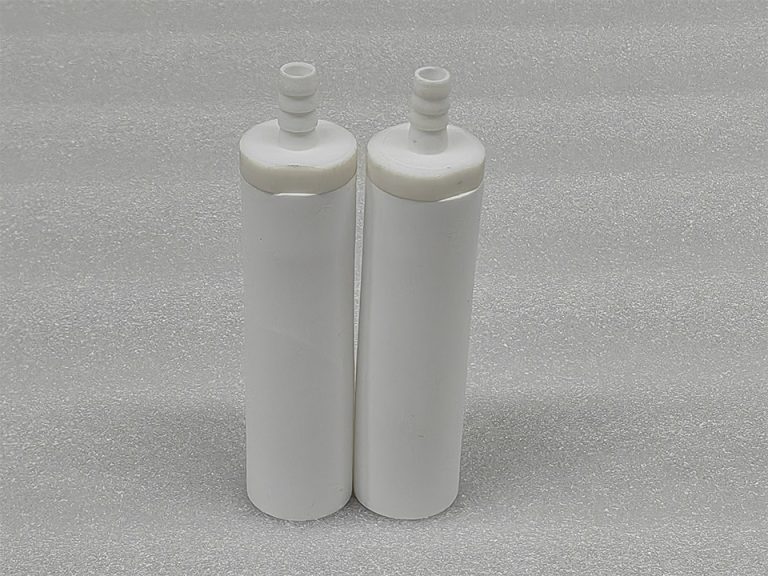
Ein selbstdichtender Filter ist ein poröses Bauteil, in der Regel auf der Grundlage poröser Kunststoffmedien und eines Sicherungszusatzes oder eines ausgehärteten Gerüsts, das die Luft während des regulären Verfahrens durchlässt, jedoch die Flüssigkeitszirkulation nach der Befeuchtung blockiert. In Ansaugzylindern wirkt er wie ein einfaches Absperrventil, das die nachgeschalteten Werkzeuge vor einer Verunreinigung der Flüssigkeit schützt.
Das klingt ganz einfach. Ist es aber nicht.
Das technische Versprechen ist sexy: Luft wirkt, Flüssigkeit tritt aus. Doch die echte Spezifikation ist chaotischer, denn der Filter muss stabilisieren Luftstrompreis, Liquid Innovation Widerstand, Siegelrückmeldezeit, chemische Verträglichkeit, Bioburden-Erwartungen, Montagetoleranz, und Wiederholbarkeit über alle Fertigungslose hinweg. Ein Händler, der nur über die Porengröße spricht, verschweigt entweder die schwierigen Daten oder hat sie nicht.
Für medizinische Absaugsysteme werden häufig selbstdichtende Filter aus porösem Kunststoff verwendet, um die Luftbewegung zu stoppen, wenn die angesammelte Flüssigkeit mit dem Medium in Berührung kommt. Diese Eigenschaft wird von den Anbietern von Saugzylinderfiltern als ein ventilähnliches Verhalten definiert, das porösen Kunststoff und funktionelle Zusatzstoffe nutzt.
Verwechseln Sie jedoch nicht “durchlässigen Kunststoff” mit “validierter klinischer Absperrung”. Eine generische PP-Sedimentkomponente, wie eine 5 Mikron PP-Filterpatrone für Wasserfilterkomponenten, kann Ihnen zeigen, wie es sich mit der Partikelabscheidung und dem Verhalten von schmelzgeblasenem Polypropylen verhält, aber es ist nicht sofort ein selbstdichtender Saugzylinderfilter. Dieser Unterschied ist wichtig.
Schauen Sie absichtlich: Was Gadget-Hersteller wirklich zu beheben versuchen
Das Schlüsselwort selbstsichernder Filter bringt kommerziell-investigative Absichten mit sich. Der Suchende stöbert nicht beiläufig. Höchstwahrscheinlich vergleicht er selbstdichtende OEM-Filter, fragt, ob poröser Kunststoff besser ist als membranbasierte Lösungen, und versucht, einen Konstruktionsfehler zu vermeiden, der nach der Herstellung der Werkzeuge teuer werden könnte.
Viele Gerätehersteller wollen keinen Filter. Sie wollen ein Gerät zum Risikotransfer.
Sie wollen ein Teil, das ihnen die Gewissheit gibt, dass ihr Absaugkanister, ihre Ablassflasche, ihre Diagnosekartusche oder ihr Fluidmanagementmodul tatsächlich eine definierte Barriere gegen Überlauf, Aerosolverschleppung, Flüssigkeitseintritt und Verunreinigungen in den nachgeschalteten Leitungen aufweist. Und das ohne zusätzliche Elektronik, Sensoren, bewegliche Absperrungen oder Migräne bei der Montage.
Das reicht völlig aus. Aber die Physik schickt immer noch die Rechnung.
Die drei fehlerhaften Einstellungen, die niemand im Verkaufsdeck platziert
Ich frage die Lieferanten zuerst nach 3 Dingen: Nasssicherungsrate, Luftbewegungsabfall und Partie-zu-Partei-Variante.
Nicht die Porengröße.
Die Porengröße ist angenehm, weil sie spezifisch aussieht. 5 Mikrometer. Zehn Mikrometer. Zwanzig Mikrometer. Es bietet dem Käufer etwas, das er in eine Tabelle eintragen kann. Doch bei einem selbstdichtenden Filter für klinische Geräte ist die Porengröße ohne Benetzungsgewohnheiten nur eine halbe Wahrheit, und halbe Tatsachen sind der Nährboden für Rückrufe.
Das FDA-Gesetz 2024 über Qualitätssysteme ändert die Qualitätsvorschriften für medizinische Geräte in den USA mit der ISO 13485:2016 und erhöht den Druck auf die Hersteller, Lieferantenkontrollen, Gefahrenmanagement und dokumentierte Designanforderungen miteinander zu verbinden, anstatt Komponenten als Massenware zu behandeln.
Also ja, Ihr Filteranbieter ist derzeit wichtiger als Ihr Tarif.
Failing Setting 1: Es wird viel zu spät versiegelt
Ein selbstdichtender Filter, der sich schließt, nachdem Flüssigkeit in die Staubsaugerleitung gelangt ist, ist in keiner Weise selbstdichtend. Er ist ein Erinnerungsstück.
Bei Saugbehältern besteht die Gefahr nicht nur im sichtbaren Überlaufen. Es sind Nebel, Schaum, Spritzer, kippender Gebrauch und flüssige Ablagerungen. Blut, Kochsalzlösung, Schleim, Bewässerungsflüssigkeit und tensidhaltige Ablagerungen verhalten sich nicht wie sauberes Laborwasser. Wenn der Verkäufer nur mit entionisiertem Wasser bei Raumtemperatur validiert, würde ich auf jeden Fall hart zurückschlagen.
Failing Mode 2: Er drosselt die Luftbewegung zu früh
Der andere Fehler ist leiser. Der Filter schützt die Leitung, entzieht aber dem System.
Wenn der selbstdichtende Filter einen zu großen Spannungsabfall erzeugt, lässt die Saugleistung nach, bevor der Behälter vollständig gefüllt ist. Kliniker verurteilen das Gerät. Die Serviceteams verurteilen das Gesundheitszentrum. Die Beschaffung verurteilt den Lieferanten. Alle verlieren Zeit.
Hier können benachbarte Wasserreinigungsspezifikationen als Vokabeln hilfreich sein, nicht als Alternativen. Zum Beispiel, eine 10-Zoll-PP-Schmutzfilterpatrone mit 5-Mikron- und 10-Mikron-Optionen Assistenten geben einen Rahmen vor, wie die Wahl der Mikrongröße den Durchfluss und die Belastung beeinflusst, aber ein selbstdichtender OEM-Filter erfordert einen völlig anderen Erkennungsplan.
Fehlersituation 3: Der Anbieter kann den Prozess nicht aufrechterhalten
Dieses Set schadet.
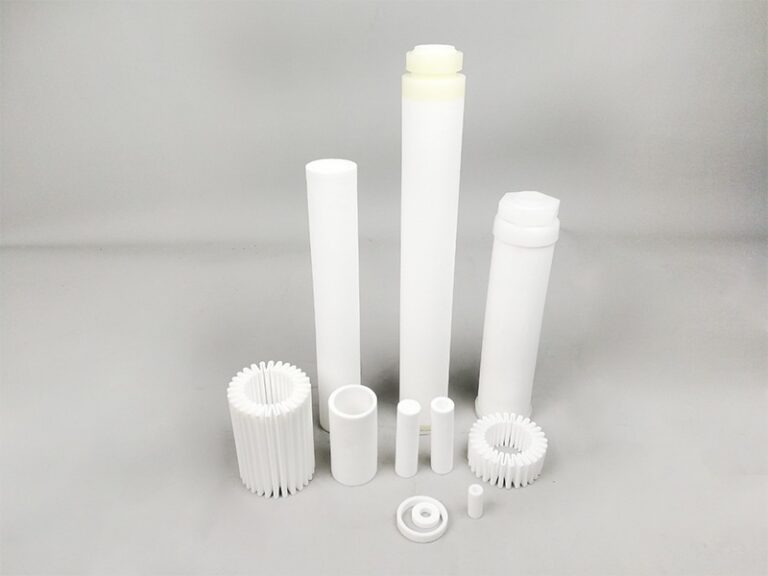
Poröser Kunststoff ist verfahrensabhängig. Die Qualität des Harzes, die Größenverteilung der Fragmente, die Höhe der Sintertemperatur, die Belastung durch Form und Schimmel, die Dispersion der Zusatzstoffe, die Nachbearbeitung und Probleme bei der Lagerung können die Leistung beeinträchtigen. Eine Abweichung von 2% in der Porosität mag auf einem Bewertungszertifikat nicht bemerkenswert aussehen, aber sie kann die Luftbewegung, die Benetzungsvorgänge und die Dichtungswirkung verändern.
Anfrage nach Prozesskapazität. Anfrage nach der Historie großer Geschäfte. Rückstellmuster anfordern. Verlangen Sie die Bedingungen für Änderungsmitteilungen in schriftlicher Form.
Würden Sie einer passiven Sicherheitsbarriere von einem Anbieter vertrauen, der sein eigenes CpK nicht erklären kann?
Kaufkriterien für selbstdichtende Filter für OEM-Teams
Die folgende Tabelle würde ich auf jeden Fall einem Auftraggeber vor der Freigabe des Werkzeugs vorlegen.
Erwerb des Kriteriums
Was Sie brauchen
Warum es wichtig ist
Rote Flagge
Preis der Luftbewegung
Testdaten bei Ihrem Zielvakuum, keine üblichen Zirkulationskurven
Ermittlung der Saugleistung vor dem Wet-Out
Nur ein detaillierter Fluss
Feuchtigkeitssichernde Maßnahmen
Zeit bis zur Versiegelung unter Verwendung tatsächlicher oder simulierter Fluide
Verhindert, dass Flüssigkeit in nachgeschaltete Geräte gelangt
Getestet nur mit sauberem Wasser
Innovationsdruck
Schwierigkeitsdruck der Flüssigkeit nach der Abdichtung
Zeigt an, ob das Siegel bei falscher Anwendung hält
Keine Daten zur Beanspruchung nach Nässe
Medienchemie
PP, PE, PTFE, Inhaltsstoffe, Befeuchtungsvertreter, die bei Bedarf unter NDA offengelegt werden
Auswirkungen auf Biokompatibilität, Alterung und Sterilisation
Verhindert Brüche, Bypass-Leckagen und Verformungen
Der Verteiler hat keine Empfehlungen für den Widerstandsaufbau
Rückverfolgbarkeit von Geschäften
Material ganz viel, Produktion sehr viel, Bewertung Datensätze
Erforderlich für strenge OEM-Kontrolle
Reine Stapelverarbeitungsdokumente
Regulatorische Unterstützung
Positionierung nach ISO 13485, Informationen zur Biokompatibilität, Einstellungskontrolle
Unterstützt Werkzeugdaten und Lieferantennachweise
“Wir verkaufen an medizinische Kunden” als Beweis
Alterungsdaten
Verstärkte Alterung in Echtzeit, wo möglich
Dichtungsbestandteile können wandern
Keine Platzierung mit Haltbarkeitsdatum
Durchlässiger Kunststoff vs. Membran vs. mechanische Absperrung
Um es ganz offen zu sagen: Die “ideale” selbstdichtende Innovation hängt davon ab, wie hässlich Ihr Flüssigkeitsweg ist.
Selbstdichtende Filter aus porösem Kunststoff sind attraktiv, weil sie in kleine Formen gegossen, direkt in Behälterdeckel eingepresst und auf den Luftstrom abgestimmt werden können. Membranschichten können ein dichteres Filterverhalten bieten, sind aber bei der Montage möglicherweise brüchiger oder schwieriger zu verpacken. Mechanische Schwimmerventile sind benutzerfreundlich, haben aber bewegliche Teile, klappern, sind widerstandsfähig und müssen gereinigt werden.
Nützliche Überweisung, keine medizinische Selbstversiegelungslösung
Wenn Ihre Anwendung die Wasseraufbereitung und nicht die medizinische Absaugung ist, kann ein 1, 5 und 10 Mikron PP-Schmutzfilterpatrone für Industriewasser kann genau die richtige Diskussion sein. Wenn es sich bei Ihrer Anwendung um einen Saugbehälter handelt, ist das erst der Anfang der Diskussion.
Warum 2024 das Gespräch mit den Lieferanten verändert hat
Stressbewältigung ist nicht mehr abstrakt.
Auf der FDA-Webseite für Rückrufe von Medizinprodukten aus dem Jahr 2024 werden schwerwiegende Rückrufe und frühzeitige Benachrichtigungen hervorgehoben, die darauf abzielen, die Öffentlichkeit auf riskante Änderungen aufmerksam zu machen. Reuters berichtete ebenfalls im Dezember 2024, dass die FDA den Rückruf eines Katheters von Boston Scientific als den bedeutendsten Typ einstufte und sieben Verletzungen und vier Todesfälle im Zusammenhang mit den Risiken des Produkts erwähnte.
Nein, in diesem Fall ging es nicht um selbstdichtende Filter. Das ist der Punkt.
Gerätefehler sehen oft “komponentengroß” aus, bevor sie sich als systemgroß erweisen. Eine Dichtung. Ein Adapter. Eine Absperrung. Eine Katheteranweisung. Ein Software-Limit. Der Markt bestraft den Hersteller des fertigen Geräts, nicht die Person, die 4 Cent für einen Filtereinsatz gespart hat.
Die harte Realität: Erstausrüster bezeichnen Teile gerne als “unkritisch”, bis die Komponente zum Ausfallgrund wird.
Wie man einen selbstdichtenden Filter auswählt, ohne sich selbst zu täuschen
Gehen Sie von der Nutzungssituation aus, nicht von der Zeitschrift.
Für einen selbstdichtenden Saugbehälterfilter sollten Sie die Menge des Behälters, den optimalen Staubsauger, die angestrebte Luftbewegung, die zu erwartenden Flüssigkeitsarten, die Schaumkapazität, die missbräuchliche Positionierung, die Anforderungen an die Hygiene oder Sauberkeit, die Lebensdauer und das Montageverfahren festlegen. Bitten Sie dann den Lieferanten, diese Bedingungen zu prüfen.
Lehnen Sie eine übliche “medizinisch hochwertige” Versicherungsforderung ab. Das ist eine Phrase, kein Beweis.
Anfrage:
Luftströmungskonturen vor dem Wet-Out
Reaktionszeit der Feuchtigkeitsabdichtung
Flüssigkeitsentwicklungsdruck nach der Sicherung
Daten für Kochsalzlösung, Blutanalogon, Tensidflüssigkeit und proteinreiche Challenge-Medien
Biokompatibilitätsplatzierung, insbesondere ISO 10993-Relevanz
Gespräch über extrahierbare und auslaugbare Stoffe, wenn der Flüssigkeitsabruf signifikant ist
Sterilisationsverträglichkeit, wenn EtO-, Gamma- oder E-Beam-Exposition zu erwarten ist
Zusammengesetzter Vertrag zur Änderungskontrolle
PPAP-ähnlicher Papierkram, wenn Ihr Qualitätssicherungssystem dies erwartet
Behandlung der Fehlerbewertung für zurückgegebene Partien
Und fragen Sie bitte, wie sie “versiegelt” definieren.”
Einige Anbieter definieren Versiegelung als “Minimierung des Luftstroms”. Andere geben an: “kein messbarer Luftstrom bei einem bestimmten Untersuchungsproblem”. Das ist nicht derselbe Fall.
Die Beschaffungsfalle: Mikron statt Effizienz einkaufen
Ich verstehe, warum die Käufer Mikronwerte verlangen. Es erscheint logisch.
Selbstdichtende Filter werden jedoch nicht auf die gleiche Weise gekauft wie Wasserverschmutzungspatronen. A 10-Zoll-PP-Schmelzblasfilterpatrone mit kundenspezifischer Oberfläche können nach Größe, Mikronzahl, Oberflächenbehandlung und Patronengeometrie spezifiziert werden. Ein selbstdichtender Filter muss darüber hinaus ein dynamisches Verhalten aufweisen: luftgeöffnet vor dem Flüssigkeitseintritt, flüssigkeitsdicht nach dem Auslaufen, beständig unter den Missbrauchsbedingungen des Werkzeugs.
Das ist eine andere Art von Tier.
Billige Filter versagen in der Regel bei kostspieligen Methoden. Sie versagen nicht im Konferenzraum. Sie versagen nach der Markteinführung, wenn das Gerät mit Etiketten, Behältern, Händlern, Verträgen mit medizinischen Einrichtungen, Reklamationscodes und einem verärgerten Qualitätsbeauftragten konfrontiert ist, der sich fragt, warum die Berechtigungsnachweise der Händler wie eine Regel behandelt wurden.
Was Hersteller von Gadgets ihre Händler fragen sollten, bevor sie Erfahrungen sammeln
Ein großer Vertriebshändler wird sich von schwierigen Fragen nicht aus der Ruhe bringen lassen. Ein schwacher Händler wird sicherlich schnell unklar werden.
Fragen Sie diese, bevor Sie nach Beispielen fragen:
Anbieter-Anfrage
Ausgezeichnete Reaktion
Schlechte Antwort
Welche Medienplattform empfehlen Sie für dieses Gerät?
“Aufgrund des Luftstroms, der Flüssigkeit und der Einschränkungen bei der Einrichtung raten wir...”
“Unser konventioneller Teil sollte funktionieren.”
Können Sie die Sicherungsrate und den Luftstrom einstellen?
“Ja, innerhalb dieser Porositäts- und Geometriebeschränkungen”.”
Nicht jedes Filterprojekt ist medizinisch. Viele Gerätelieferanten bauen zusätzlich Wassertherapie-Komponenten, Befeuchtungssysteme, Laborgeräte, Reinigungsgeräte und Fluid-Handling-Einrichtungen, bei denen PP, GAC, CTO und organisierte Reinigung eine Rolle spielen.
Das ist der Punkt, an dem Haushalte mit Einrichtungsgegenständen zu nützlichen Empfehlern werden. A 20 Zoll 1-stufige Wasserfilterpatrone mit GAC-, UDF-, CTO- und PP-Medien zeigen, wie geschichtete Medien mit Sediment-, Geruchs-, Chlor- und Adsorptionsaufgaben umgehen. Ein selbstdichtender Filter macht etwas anderes, aber die Selbstkontrolle der Produktion - Medienauswahl, Abmessungssicherheit, Durchflusskontrolle und Kartuschenkonsistenz - bleibt erhalten.
Wir sollten nicht so tun, als ob alle Filter übereinstimmen. Aber wir dürfen auch das gemeinsame Prozesswissen nicht übersehen.
Meine feste Meinung: Kaufen Sie nicht den billigsten selbstdichtenden Filter
So. Ich habe es gesagt.
Der günstigste selbstdichtende Filter sieht bei der Eingangsprüfung in der Regel gut aus, da die Eingangsprüfung in der Regel zu schwach ist, um lebendige Sicherungsmaßnahmen zu erfassen. Das Problem verbirgt sich in den Einsatzbedingungen. Das Bauteil besteht die Dimensionierung, die visuelle Überprüfung, die Tabellenkalkulation des Käufers, und danach entweicht die Effizienz in der Umgebung.
Eine viel bessere Einkaufsrichtlinie lautet: Wählen Sie den Anbieter mit dem geringsten Risiko, der das von Ihnen gewünschte Verhalten aufzeichnen kann.
Das deutet darauf hin, dass Sie möglicherweise mehr bezahlen müssen:
Bessere Rückverfolgbarkeit von großen Geschäften
Cleanser Verfahren verwaltet
Unterstützung für benutzerdefinierte Geometrie
Weitere Informationen zur Prüfung
Schnelleres technisches Feedback
Viel einfachere Einschränkungen
In kontrollierten Gadgets ist Ehrlichkeit ein Attribut.
HÄUFIG GESTELLTE FRAGE
Was ist ein selbstdichtender Filter?
Ein selbstdichtender Filter ist eine durchlässige Filterkomponente, die bei normalem Betrieb einen Luftstrom zulässt, aber den Flüssigkeitsdurchgang nach dem Kontakt mit der Flüssigkeit blockiert, in der Regel mit hydrophoben oder quellenden Wirkungen, mit durchlässigem Kunststoff oder mit funktionellen Zusätzen. Gerätehersteller verwenden sie als einfachen Überlaufschutz in Saugbehältern und Flüssigkeitsmanagement-Einrichtungen.
Im Klartext: Es atmet, bis es spritzt, danach schließt es die Tür. Beim OEM-Stil geht es vor allem um den Luftstrom vor der Befeuchtung, die Sicherungsgeschwindigkeit nach der Befeuchtung und die Frage, ob der abgedichtete Filter unter Stress, Resonanz, Neigung und der realen Flüssigkeitschemie hält.
Wie genau wähle ich einen selbstdichtenden Filter für medizinische Geräte aus?
Um einen selbstdichtenden Filter für medizinische Geräte auszuwählen, müssen Sie den Vakuumgrad des Geräts, den angestrebten Luftstrom, die direkte Einwirkung von Flüssigkeiten, den Sanierungsansatz, den Einrichtungsprozess, die angestrebte Haltbarkeit und die Gefahrenklassifizierung angeben, bevor Sie das Medium oder die Porenstruktur auswählen. Der Filter muss als Bestandteil des Gesamtsystems des Geräts bestätigt werden, nicht als separates Verzeichnisteil.
Ich würde mit einem Untersuchungsprotokoll beginnen, nicht mit einer Angebotsanfrage. Dazu gehören Kochsalzlösung, Blutanaloga, tensidhaltige Flüssigkeiten, Schaumprobleme, Alterung und Aufbauspannung. Danach vergleichen Sie die Anbieter nach der Qualität der Informationen und nicht nach dem Selbstvertrauen der Broschüre.
Was ist der Unterschied zwischen einem selbstdichtenden Filter aus durchlässigem Kunststoff und einem Entlüfter mit Membranschicht?
Ein selbstdichtender Filter aus porösem Kunststoff ist in der Regel eine geformte oder gesinterte Struktur, die für die Luftbewegung und das Absperren von Flüssigkeiten ausgelegt ist, während eine Membranentlüftung ein dünner Barrierefilm ist, der für die regulierte Entlüftung oder das Absperren von Flüssigkeiten verwendet wird. Durchlässige Kunststoffe sind oft mechanisch robuster, während Membranen in der Regel besser auf Hindernisse abgestimmt sind.
Bei Ansaugflaschen lässt sich durchlässiger Kunststoff einfacher direkt in Deckel und Immobilien einbauen. Für Analysekartuschen oder kleine Entlüftungsöffnungen können Membranschichten viel besser sein. Die richtige Antwort hängt von der Geometrie, dem Druck, der Flüssigkeit, dem Aufbau und der Belastung ab.
Kann ein PP-Schmutzfilter einen selbstdichtenden OEM-Filter ersetzen?
Ein PP-Sedimentfilter kann einen selbstdichtenden OEM-Filter nicht automatisch ersetzen, da Schmutzfilter in erster Linie zum Auffangen von Fragmenten entwickelt wurden, während selbstdichtende Filter die Flüssigkeit nach dem Befeuchten proaktiv blockieren müssen, während die Luftbewegung vor dem Befeuchten erhalten bleibt. Beide Elemente haben zwar das gleiche Verständnis von Polypropylenmedien, bieten jedoch unterschiedliche Sicherheitsmerkmale.
Das ist der Punkt, an dem die Käufer in Schwierigkeiten geraten. Eine 5-Mikron-PP-Kartusche und ein selbstdichtender Ansaugbehälterfilter könnten beide aus porösem Polymer bestehen, aber nur einer ist so konzipiert, dass er wie ein einfaches Absperrventil funktioniert.
Welche Informationen sollte ich von einem Anbieter von selbstdichtenden Filtern verlangen?
Sie müssen Konturen der Luftbewegung, die Dauer der Nassversiegelung, die Innovationskraft der Flüssigkeit nach dem Nässen, die Chemie der Medien, Maßtoleranzen, Kriterien für die Freigabe von Chargen, Unterstützung der Biokompatibilität, Informationen zur Reifung, Sterilisationskompatibilität und zusammengesetzte Bedingungen für die Änderungskontrolle anfordern. Diese Aufzeichnungen zeigen, ob der Lieferant die Leistung reguliert oder lediglich durchlässige Teile anbietet.
Lassen Sie nicht zu, dass der Verkäufer Sie mit allgemeinen Bescheinigungen überhäuft. Fordern Sie anwendungsspezifische Nachweise an. Ein Anbieter, der sich mit selbstdichtenden OEM-Filtern auskennt, sollte in der Lage sein, Fehlermöglichkeiten zu erörtern, bevor Sie diese ansprechen.
Erstellen Sie die Filterspezifikation, bevor Sie den Filter kaufen
Ein guter Kaufratgeber für selbstdichtende Filter sollte eines deutlich machen: Das Bauteil ist winzig, die Auswahl aber nicht.
Wenn Sie einen Ansaugbehälter, ein Modul für Analyseflüssigkeiten, ein Überlaufhindernis oder eine OEM-Baugruppe für klinische Geräte einführen möchten, sollten Sie zunächst die Leistungsanforderungen und die Bedingungen für den Missbrauch prüfen. Testen Sie danach den Anbieter. Fragen Sie nach den unangenehmen Informationen. Fragen Sie, was nicht funktioniert. Fragen Sie, was sich zwischen den einzelnen Angeboten ändert. Fragen Sie, was sie in die Entwicklung einbringen werden.
Und wenn Sie breitere PP-Filterplattformen, Sedimentkartuschen oder organisierte Wasseraufbereitungselemente vergleichen, nutzen Sie geprüfte Empfehlungen wie PP-Sedimentfilterpatronen für die kommerzielle Wasserfiltration Mediengewohnheiten zu montieren - aber nicht die Partikelreinigung mit selbstversiegelnder Sicherheit.
Benötigen Sie ein kundenspezifisches Filtergerüst, eine PP-Medienbesprechung oder eine OEM-Reinigungsprüfung? Bringen Sie die Abbildung, die Flüssigkeit, das Belastungsziel und die Versagensart, vor der Sie sich fürchten. So beginnt ein echtes Kaufgespräch.